World
Estonia to Shut All Russia Border Crossings After Foiled Arson Attack on Drone Maker
Estonia will shut its Narva, Luhamaa and Koidula crossings with Russia from December 1 after officials blamed Moscow's GRU for a foiled arson attack on drone maker Threod Systems. Eight people living in Latvia were detained over the attempt.
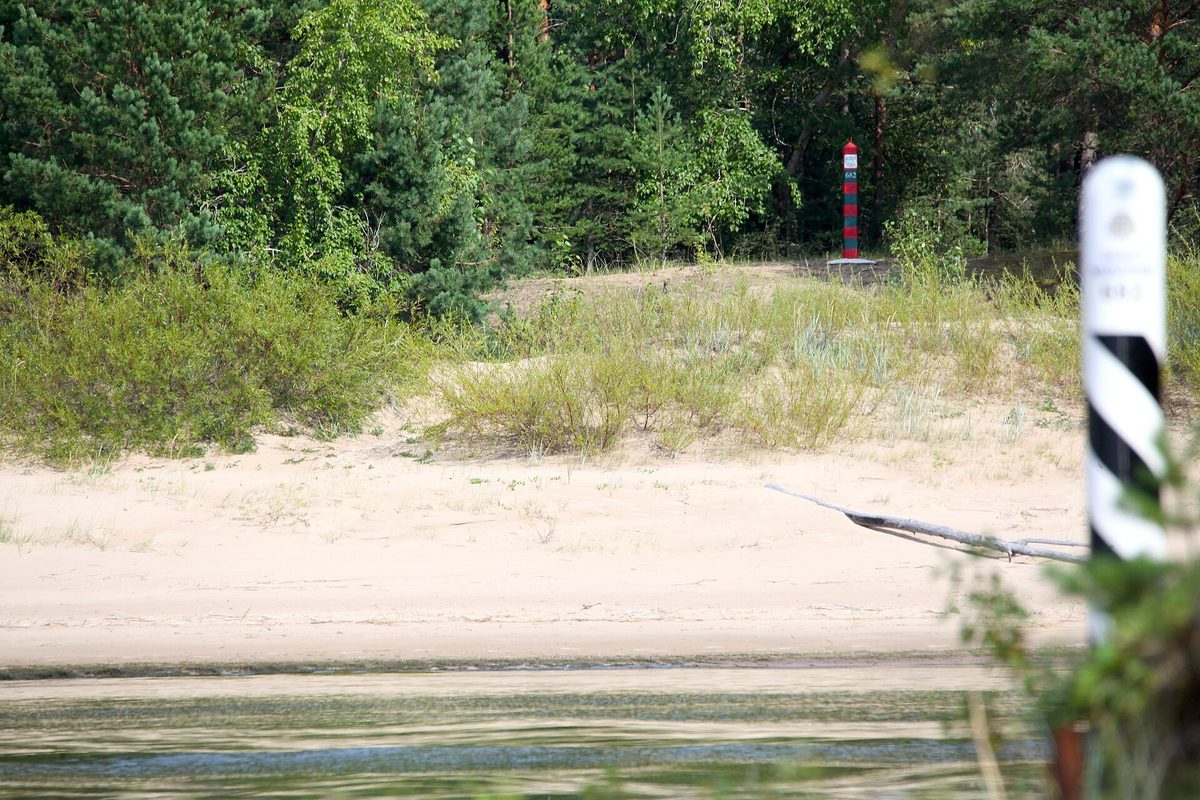
Estonia will close all its border crossings with Russia from December 1, its foreign minister said on Sunday, following a suspected sabotage attack on an Estonian defence company that Tallinn blamed on Moscow. The move will shut one of the few remaining overland links between Russia and the European Union, and it is the sharpest response yet to what Estonian officials describe as a campaign of Russian sabotage against the Baltic state's defence industry.
Foreign Minister Margus Tsahkna announced the decision in a post on X, saying there was clear evidence that Russia's GRU military intelligence service was behind the attempt. "Russia must understand that hostile actions against Estonia come with consequences," he wrote. He did not specify how long the border closure would last or if an end date had been set.
The trigger was an attempted arson attack in the early hours of Saturday, November 14, on Threod Systems, a manufacturer of long-range reconnaissance and attack drones based in Viimsi, just north of the capital, Tallinn. According to Estonian public broadcaster ERR, attackers tried to smash windows shortly after 3 a.m. and pour in flammable liquid to start a fire and cause an explosion. The company's security team foiled the attempt and no one was injured, and the incident caused only minor damage.
Estonian authorities detained eight people overnight on suspicion of involvement in the attempt. Prosecutor General Astrid Asi said all eight live in Latvia, and her office asked a court to remand five of them in custody. Estonia's Internal Security Service, known as KAPO, said the operation had been ordered by the GRU. KAPO director general Margo Palloson said counterintelligence had confirmed that the GRU coordinated the operation, and added that Russia typically recruited EU residents who could move freely within the Schengen area, often from criminal circles or people in financial difficulty.
Estonia currently has three open border crossings with Russia at Narva in the north and Luhamaa and Koidula in the southeast, which admit pedestrians and freight. All three are now set to shut from December 1. Interior Minister Igor Taro is expected to put a formal proposal to the government, which will discuss it next week, and he has said the closure would give Estonian citizens in Russia two weeks to return. Officials have not yet said whether the closure will be temporary or indefinite, and it is not clear whether all categories of traffic are included.
Prime Minister Kristen Michal described the attempt as part of Russia's wider hybrid war against Europe, intended to frighten Estonians and erode support for Kyiv in the Ukraine war. "We will not be intimidated," he said. Estonia, a member of the European Union and NATO and a strong supporter of Ukraine, has been one of Moscow's most vocal critics since the full-scale invasion of Ukraine in 2022, and its three crossings are among the few overland links between Russia and the EU still operating. Russia halted vehicle traffic through Narva in February 2024, leaving the crossing open only to pedestrians.
This was not the first attack. It is the second attempted arson on an Estonian defence company since August, when a fire broke out at a Tallinn building used by Milrem Robotics, maker of unmanned ground vehicles used in Ukraine. Three Latvian citizens were arrested and the Estonian government attributed that attack to Russian special services on September 29.
Moscow has pushed back. Russian foreign ministry spokeswoman Maria Zakharova told state news agency TASS that Moscow would verify the reports, and said a closure, if confirmed, would be yet another display of Russophobia. Moscow has regularly denied accusations by European authorities of involvement in sabotage operations, and there was no immediate comment from Moscow on Estonia's accusations or its decision to shut the border crossings when the announcement was made.
Tallinn has been preparing for a confrontation for some time. The government began building up to 600 bunkers along the border in December 2025, and the closure decision follows months of warnings from European intelligence services about Russian sabotage operations across the continent. What remains unresolved is the closure's duration, its exact scope, and whether Estonia's neighbours follow. For now, the message from Tallinn is that an attack on its defence industry will be answered at the border.
Why it matters: Estonia is a small Baltic state sharing a border with Russia, and it has decided that the right answer to a foiled arson attack is to close that border entirely. The decision is as much a signal as a security measure: the attack route in this case ran through Latvia, not through the checkpoints being closed, so the closure's real purpose is to show Moscow — and Tallinn's own public — that sabotage carries a cost. Whether it deters anything depends on what comes next: a formal government decision, a stated duration, and whether other frontline states treat the Estonian move as a precedent or a one-off.
Reporting: Reuters · Brussels Signal
Spot an error? Orbit News corrects articles promptly and notes the correction in the article. See our Editorial Policy, or flag an error by messaging us on Facebook, X, or Instagram.
Related from Orbit News

Congo's Ebola Outbreak Tops 11,000 Cases Six Months In, With No End in Sight
World · Nov 16, 2026
Spain Heads to Snap Election With Far Right Poised to Enter Government for First Time Since Franco
World · Nov 16, 2026