World
Category 5 Cyclone Xavier Bears Down on Northern Cook Islands as Shelters Open
The storm, packing sustained winds of about 220 km/h, is passing near Pukapuka and Manihiki. It is expected to stay offshore of inhabited islands but bring damaging seas and flooding rain.
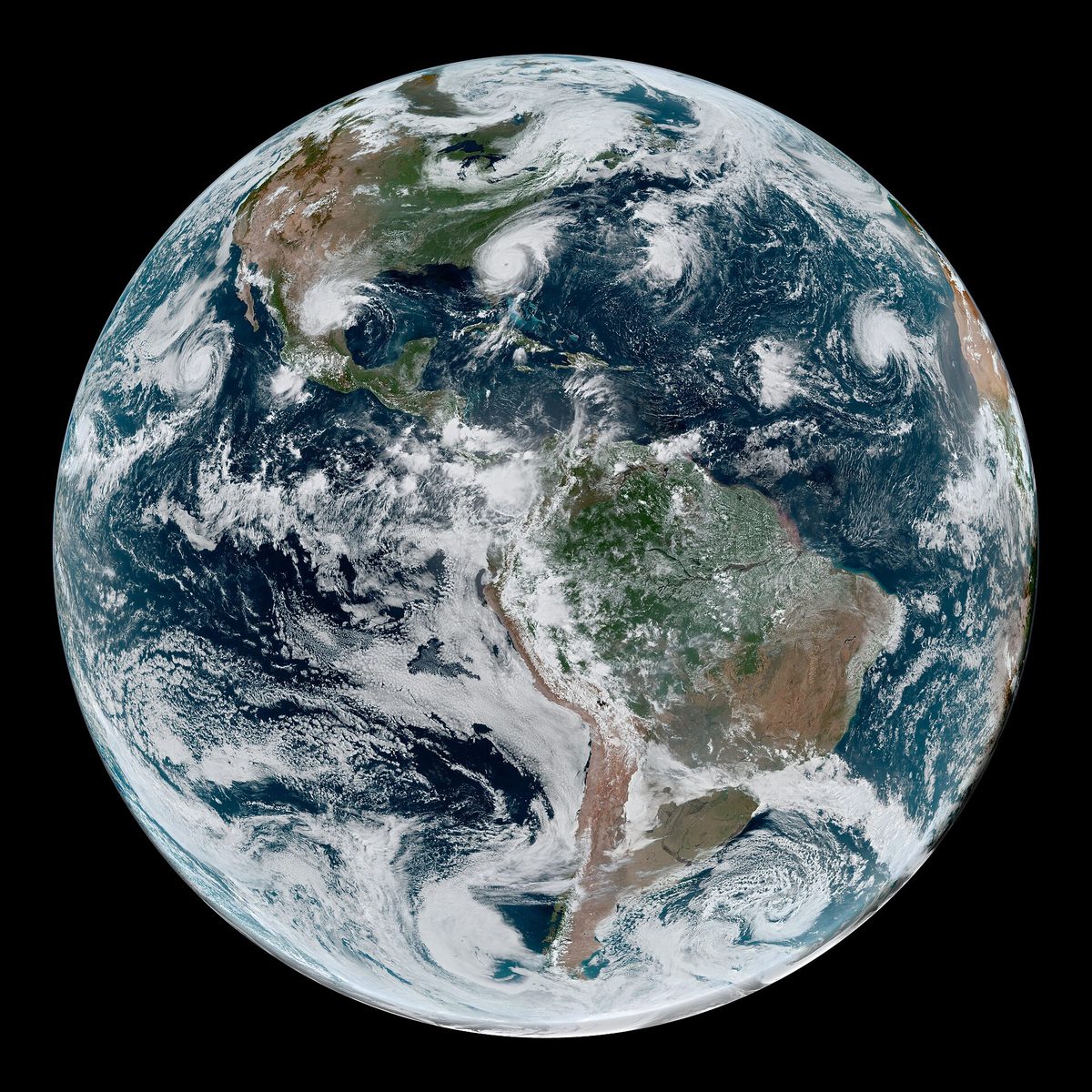
Severe Tropical Cyclone Xavier, a Category 5 storm, is bearing down on the northern Cook Islands in the South Pacific, bringing damaging winds, heavy rain and dangerous seas to some of the most remote inhabited islands on Earth. The storm is expected to pass near the atolls of Pukapuka and Manihiki on Wednesday, with its centre forecast to stay offshore of inhabited islands.
As of a bulletin issued at 12:08 p.m. on Wednesday, Xavier was located near 9.7 degrees south and 163.6 degrees west, about 280 kilometres northeast of Pukapuka and about 300 kilometres north-northwest of Manihiki Atoll, and was moving slowly southeast. The storm's maximum winds near its centre were 120 knots, or 220 kilometres per hour, with a central pressure of 910 hectopascals, according to New Zealand's MetService.
Fiji's Meteorological Service rated the storm a Category 5, with sustained winds of about 137 mph, or 220 km/h, and gusts up to 196 mph, or 315 kph, as it moved west-southwest at about 4.3 mph, or 7 kph.
A gale warning is in force for Pukapuka and Nassau, with winds expected to reach 85 kilometres per hour and gusts to 120 kilometres per hour, and a gale alert is in place for Suwarrow. A strong wind warning is in force for Manihiki and Rakahanga, and the storm is expected to bring coastal flooding and dangerous seas to the low-lying atolls.
On Pukapuka, schools were closed and residents prepared to shelter as the storm approached, with shelters activated across the atoll. On Manihiki, wharves were damaged by the storm's waves, and residents said the worst of the storm had passed for their island, though the threat from the sea remained.
Manihiki is particularly vulnerable to the storm because its electricity system has been out of service for more than a year, leaving households to rely on limited solar power and private generators. One resident, Jean Marie Williams, told Radio New Zealand that the island only had power when the sun came out and charged its solar system, and that households could use power for only four or five hours before shutting it down.
Williams said the island council's workers made rounds to check on residents nearly 24 hours a day, and that crews had removed 99 percent of the coconut trees near houses to prevent them from falling on homes during the storm. He said the worst was over for Manihiki, but that the storm's waves and wind were still a threat to the atoll's low-lying homes and infrastructure.
The storm is expected to sustain Category 5 strength through most of Thursday, before beginning to weaken late on Thursday and into Friday, when it is forecast to drop to Category 3 or 4. It is then expected to weaken rapidly over the weekend as it tracks toward Samoa, though it may still bring strong winds, heavy rain and large waves to Samoa from Sunday, even in its weakened state.
Samoa and American Samoa have issued marine and high wind warnings in preparation for the storm's approach, and the National Weather Service in Pago Pago has warned of heavy rain, surf and possibly tropical-storm-force winds from Friday night, though forecasters said there was low confidence in the exact timing and strength of the storm's effects on the islands.
No casualties had been reported as of Wednesday morning, and the storm's centre was expected to stay offshore of inhabited islands, though the combination of high winds, heavy rain and storm surge remains a threat to the low-lying atolls.
Why it matters: Xavier matters because it is a Category 5 storm bearing down on some of the most isolated communities in the Pacific, where the infrastructure is already fragile. Manihiki has been without mains electricity for more than a year, and its households rely on solar power that only works when the sun shines, which is a reminder of how vulnerable these islands are to a storm that can knock out what little power they have. The storm's centre is expected to stay offshore, but for low-lying atolls the waves and the rain are the real threat, and the next few days will tell whether the preparations on Pukapuka and Manihiki were enough.
Reporting: MetService · The Cooldown
Spot an error? Orbit News corrects articles promptly and notes the correction in the article. See our Editorial Policy, or flag an error by messaging us on Facebook, X, or Instagram.
Related from Orbit News
U.S. Strikes Iran's Qeshm Island as Tehran Hits Back at Bases in Kuwait and Bahrain
World · Nov 18, 2026
Xi and Putin Rail Against Protectionism and Sanctions as Trump Lands in China for First Three-Way Talks
World · Nov 18, 2026