World
U.S. Strikes Iran's Qeshm Island as Tehran Hits Back at Bases in Kuwait and Bahrain
The exchange is the widest escalation of the nine-month-old U.S.-Iran war in weeks, with Gulf states intercepting missiles and drones and a Houthi missile aimed at Riyadh.
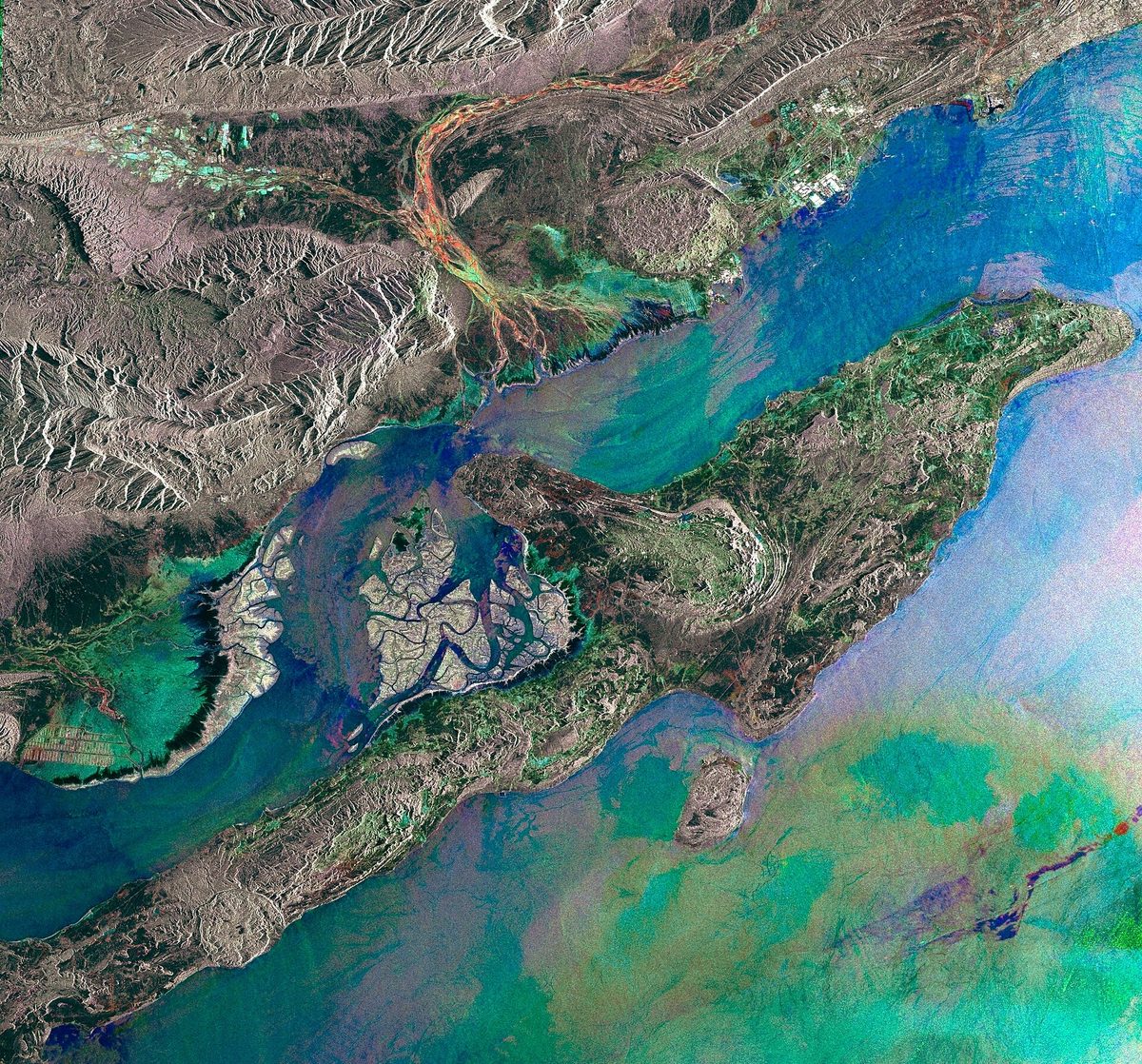
Gulf countries said on Wednesday they had intercepted missiles and drones fired by Iran and its Houthi allies in Yemen, after the United States struck a Revolutionary Guards missile launch site on Qeshm Island in the Strait of Hormuz. The exchange marked the widest escalation of the nine-month-old war between the United States and Iran in weeks, and the first time Iran has attacked a US base in Kuwait.
US fighter jets fired on a Revolutionary Guards missile launch site on Qeshm Island on Tuesday, according to a US military official who spoke on condition of anonymity. The official said the strike was carried out in response to Iran's attacks on US personnel and assets, using precision munitions, and came after Iranian forces targeted US radar and drone installations in Bahrain.
Iran's army said it had targeted US drone and missile installations at Kuwait's Ali Al Salem base, and that it had struck Patriot air defence systems and drone and missile launch platforms there. Kuwait's army said its air defences had countered hostile drone attacks, and that explosions heard in the country were the sound of interceptions, with no casualties or damage reported. Kuwait did not name the origin of the drones, but it was the first Iranian attack on Kuwait since September.
Bahrain said it had intercepted Iranian aerial attacks for the third time this week, accusing Tehran of what it called a systematic hostile approach. Bahrain is home to the US Navy's Fifth Fleet, and the latest interception followed an attack earlier in the week on US radar at Sheikh Isa Air Base, which US Central Command said had been intercepted with no damage to US equipment and no injuries.
The Saudi-led coalition said it had destroyed a Houthi cruise missile launched toward Riyadh, the capital of Saudi Arabia, in a sign that the conflict is drawing in the Houthi forces in Yemen, Iran's allies in the war.
The war began on Feb. 28, 2026, when the United States and Israel launched airstrikes on Iran, and it has since spread across the Gulf, with Iran launching missile and drone attacks on US bases in Qatar, Bahrain and now Kuwait, and the United States responding with strikes on Iranian military targets. The Strait of Hormuz, the narrow waterway between Iran and Oman, carried about one-fifth of global energy supplies before the war, and is now partly blocked by Iran, raising fears about the flow of oil and gas.
The fighting has also spread to the sea. There has been a surge in tanker attacks since October, and on Tuesday the crew of a liquefied petroleum gas tanker abandoned the vessel off the Omani port of Khasab after it was attacked. There were no immediate reports of casualties.
The latest escalation came as President Donald Trump said on Tuesday that the United States was taking seriously the possibility that Iran could be planning an attack on Washington, a claim that Iran's Foreign Ministry denied as baseless. On Wednesday, Secretary of State Marco Rubio said he did not think there was an imminent threat to the US capital, a statement that appeared aimed at calming fears in Washington after the intelligence reports.
Diplomatic efforts continued even as the fighting spread. Qatari and Iranian officials met on Tuesday for talks, and Iran's Foreign Minister Abbas Araqchi visited Oman.
Why it matters: This is the most dangerous week of the U.S.-Iran war since it began in February, and the geography of it is what matters: Iran has now attacked American bases in three Gulf states, the United States has struck back on Iranian soil in the Strait of Hormuz, and the Houthis have fired toward a fourth capital. The Strait of Hormuz carried about a fifth of the world's energy before the war, and every new strike there pushes oil markets and shipping insurers closer to treating the Gulf as a war zone. The diplomatic track is still alive, with talks in Doha and Muscat, but each round of retaliation makes the political space for a deal smaller, and the risk of a miscalculation larger.
Reporting: KTWB · TRENDS MENA
Spot an error? Orbit News corrects articles promptly and notes the correction in the article. See our Editorial Policy, or flag an error by messaging us on Facebook, X, or Instagram.
Related from Orbit News

Xi and Putin Rail Against Protectionism and Sanctions as Trump Lands in China for First Three-Way Talks
World · Nov 18, 2026
Trump's Board of Peace Warns Gaza Ceasefire Is Near Collapse as Israel and Hamas Miss Commitments
World · Nov 18, 2026