World
COP31 Climate Talks Run Into Overtime as Draft Deal Drops All Mention of Fossil Fuels
The UN climate summit in Antalya passed its Friday deadline without agreement after negotiators stripped every reference to ending fossil fuel use from the draft text, along with a $120 billion adaptation finance target.
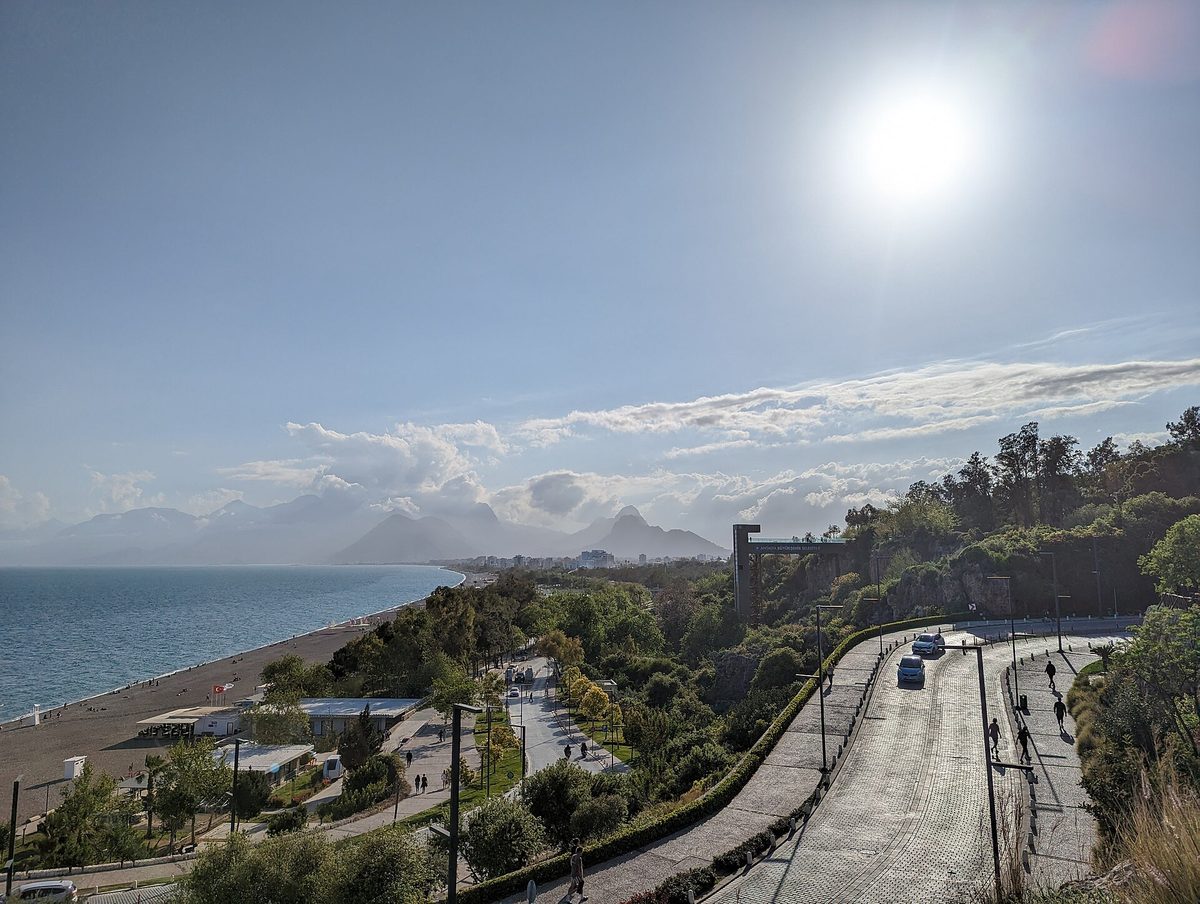
The COP31 climate conference slipped into overtime on Friday as negotiators from nearly 200 countries struggled to bridge deep divisions over fossil fuels and climate finance. The two-week summit in Antalya, Turkey, was scheduled to end on Friday, but efforts to secure consensus at climate summits have regularly blown past the deadline by more than 24 hours in recent years, and this year’s talks were heading the same way.
The biggest points of tension centre on whether a final deal should mention the fossil fuels that are the primary driver of global warming, and whether it should address financial support to help poorer countries adjust. Climate negotiators stripped out all references to ending the use of fossil fuels in a slimmed-down draft agreement published on Thursday, following objections from Saudi Arabia and other major oil and gas producers. The revised text, cut from 144 paragraphs to 80, was weaker on fossil fuels, electrification and adaptation finance than a first draft published on Monday.
Monday’s draft contained two references to fossil fuels, including language on limiting their use. Both were removed. The draft also dropped mention of a $120 billion target for finance to help developing countries adapt to climate change, although it kept a goal of at least tripling adaptation finance by 2035. The draft did retain an acknowledgement that global warming is projected to exceed the Paris Agreement’s 1.5 degrees Celsius threshold — the first time a COP cover decision has explicitly recognised the overshoot — and it calls for “deep, rapid and sustained” cuts to greenhouse gas emissions.
The reaction from countries most exposed to climate change was furious. “It is not acceptable to have a COP or a cover document that does not even mention fossil fuels, and we simply will not put up with it,” Panamanian Environment Minister Juan Carlos Navarro told a press conference. Ralph Regenvanu, climate minister of the South Pacific island nation of Vanuatu, which is threatened by sea level rise and worsening storms, said: “We can see where it’s going, and it’s not going to be a high-ambition text.” Mohamed Adow, director of the climate think tank Power Shift Africa, was blunter still: “This has been the worst COP ever.”
The draft deal now under discussion acknowledges the projected overshoot and encourages accelerated deployment of technologies that can remove greenhouse gases from the atmosphere to help eventually bring temperatures back down. But several country delegations criticised the mention of carbon removal, saying the technologies are expensive and unproven at scale, and that including them opens the door to continued oil and gas development. “It allows developed countries to continue producing oil and gas with a claim that CCUS (carbon capture, utilisation and storage) will fix it, while we will have a bigger role to triple renewables, which is not balanced at all,” said Bob Natifu, Uganda’s commissioner of climate change and carbon markets.
OPEC members Saudi Arabia and Venezuela have both made a case for a future role for fossil fuels in their official speeches to the conference. The draft also calls for global cooperation to boost electricity’s share of world energy consumption to 35 percent by 2035 — something proponents say would slash greenhouse gas emissions by reducing fossil fuel use, even as the text itself no longer names the fuels. A proposal for developed nations to target net zero by 2030 and net-negative emissions by 2040 was also removed, along with references to a Pacific Resilience Facility championed by Australia.
The Australian president of negotiations, Chris Bowen, told reporters he remained hopeful of a deal everyone could get behind. “Things worth doing, in my experience, don’t come easy,” he said. “People have strong views, of course. I’m not stepping away from that, but no one has said to me ‘Let’s give up and go home’.” A new version of the text was expected later on Friday, but hopes of major changes in tone were not high. Environmental groups tracking the conference heaped pressure on host Turkey and lead negotiator Australia, saying the meeting was on track to be the “worst COP ever” because it lacked ambition to address the worsening climate crisis.
This year’s talks have been further complicated by war and rising living costs, which are competing for the attention of policymakers and the public. The United States, the world’s largest historical greenhouse gas emitter, is absent from the talks for the second year in a row after President Donald Trump ended cooperation on the climate, calling global warming a hoax. A UN report last month found the world is set to exceed 1.5 degrees Celsius (2.7 degrees Fahrenheit) of warming above pre-industrial levels, the threshold governments agreed under the 2015 Paris Agreement to pursue efforts to respect.
The summit is unfolding against a record-breaking El Niño and disasters fuelled by climate change from Europe to Nepal, as well as a global energy shock triggered by the war with Iran. For the small island states and African nations that pushed hardest for fossil fuel language, the question is whether the overnight talks produce a text they can accept — or whether, as several negotiating groups have warned, they will ask for the latest draft to be carried forward rather than endorse a deal that says nothing about the fuels driving the crisis. The Turkish presidency worked overnight on a third text after delegates rejected two draft agreements.
Why it matters: The fossil fuel fight is the fight at every COP, but this year it has produced something new: a draft climate deal that does not mention fossil fuels at all. That matters because the cover decision is the political document that sets the direction of travel for nearly 200 countries, and a text silent on coal, oil and gas would let producers claim the world has moved on from phase-out language. The counterweight is the 1.5-degree acknowledgement — the first time a COP text has admitted the threshold will be crossed — which at least puts the overshoot on the record. What happens in overtime in Antalya will decide whether this summit is remembered as the one that named the problem or the one that erased it.
Reporting: Reuters · United Nations
Spot an error? Orbit News corrects articles promptly and notes the correction in the article. See our Editorial Policy, or flag an error by messaging us on Facebook, X, or Instagram.
Related from Orbit News
Russian Missiles Land in Poland During Huge Ukraine Barrage as NATO Calls It a Grave Violation
World · Nov 21, 2026
Denmark Expels Russian Defence Attaché Over Alleged Plot to Kill Ukrainian Rapper
World · Nov 21, 2026