U.S. News
50-Foot Waves Batter California Coast as El Niño Supercharges the Surf
The biggest swell in a decade hammered California's coastline over the weekend, flooding streets in Pacifica and Santa Cruz, closing piers from Ventura to San Diego, and sending 50- to 60-foot sets into the famous Mavericks break. Forecasters warn more big surf is coming this week.
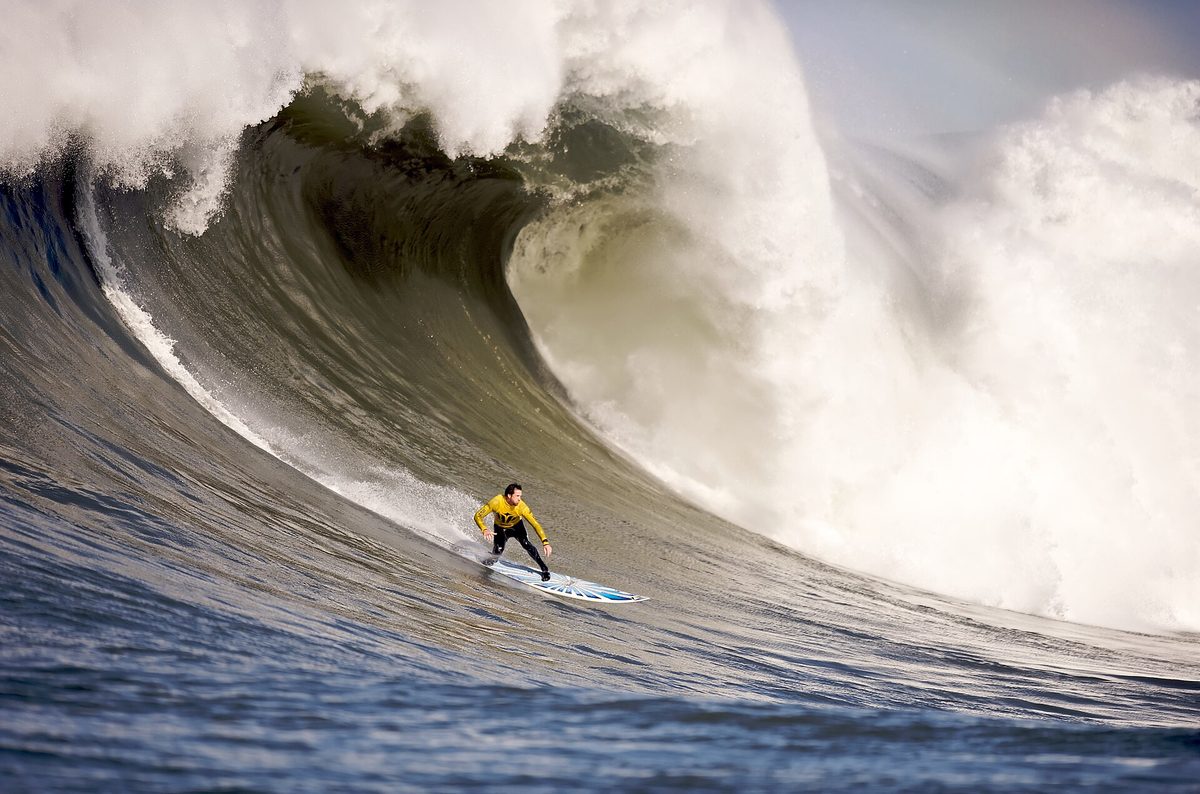
Powerful swells from storms in the North Pacific battered the California coast from November 14 to 16, flooding streets and parking lots, cracking a seawall in Pacifica and closing piers from Ventura to San Diego. Waves above 50 feet were recorded in San Mateo County, south of San Francisco, and the National Weather Service says more rounds of large surf will reach the coast this week.
The swell peaked on Saturday morning. National Weather Service Bay Area meteorologist Rachel Kennedy said waves at major break points such as Mavericks reached 50 to 60 feet on Saturday, November 14, and that a buoy off Point Reyes measured a 31.2-foot wave that morning, the highest there since 2015. The surf came largely from a storm with hurricane-force winds near the Gulf of Alaska. "The beach is not your friend this weekend," Kennedy said, speaking to the Los Angeles Times.
The National Weather Service kept a High Surf Warning in place from 6 p.m. Pacific time on Friday, November 13, to 4 a.m. on Sunday, November 15, for breaking waves of 25 to 35 feet, with occasional 40- to 50-foot sets at favored break points. A High Surf Advisory replaced it and remains in effect until 4 a.m. on Tuesday, November 17, for 20- to 25-foot breakers and sets of 25 to 35 feet at favored spots. Scientists at the Scripps Institution of Oceanography said forecast wave heights of that size in November are virtually unprecedented in the 27-year history of the Point Reyes buoy.
In Pacifica, just south of San Francisco, waves broke over the seawall along Beach Boulevard at the midday high tide on Saturday, pushing water across parking lots, sidewalks and streets. Resident Savannah Peterson said a concrete plate on the seawall near Salada Avenue lifted and buckled overnight, and the city closed off the area around the damage. Sandbags placed in advance held back some of the water.
In Santa Cruz, waves broke over the bluffs along West Cliff Drive and sent water across the road. The city had closed its beaches and wharf ahead of the swell, and the Santa Cruz County Sheriff's Office issued an evacuation warning for a stretch of coast near Capitola, which took some of the heaviest surf.
The swell reached the length of the state. Piers in Ventura, Manhattan Beach, Hermosa Beach, Huntington Beach and Pacific Beach in San Diego closed over the weekend as waves slammed into them. Several inches of water covered the strand in Seal Beach and flooded beachfront homes, and at La Jolla Cove water poured over the beach and up a staircase. The National Weather Service issued High Surf Warnings along the Pacific coast from California to Washington this weekend, with breaking waves as large as 50 feet possible near San Francisco.
The swell arrives as one of the strongest El Niño events on record warms the Pacific and keeps sea levels along the coast higher than normal, which lets storm surf push farther inland at high tide. According to NOAA's National Ocean Service, El Niño-driven Kelvin waves, slow-moving pulses of warm water moving up the West Coast, can temporarily raise sea level by 6 to 12 inches or more for several weeks. From October 24 to 30, tide gauges in San Diego, La Jolla, Los Angeles and Santa Barbara recorded their highest water levels ever, with San Diego reaching 2.80 feet above Mean Higher High Water, flooding that led Huntington Beach to declare an emergency.
NOAA's index put El Niño at 2.0 degrees Celsius earlier this month, just behind 1997-98 at the same point, and its winter outlook favors a wetter season across the southern United States. Scripps scientists describe El Niño as a "triple threat" for the California coast: heavier rain triggers landslides, powerful waves speed up erosion of beaches, cliffs and bluffs, and strong El Niño conditions can raise local sea level by 6 to 12 inches. The largest waves measured by the Coastal Data Information Program came during the strong 2015-16 El Niño, when individual waves topped 63 feet off Mendocino and 55 feet off Point Reyes in December 2015.
The danger is not over. The National Weather Service's Los Angeles office expects a series of strong west-northwesterly swells this week, with the highest surf and greatest impacts peaking again on Monday, Wednesday and Thursday, and another round of larger surf expected on Thursday and Friday, November 19 and 20. The swells overlap with two storms and an atmospheric river forecast to bring heavy rain and flood risk to California from late Tuesday into Thursday. The weather service advises people to stay out of the water, keep off rocks, jetties and piers, and never turn their back on the ocean, warning that sneaker waves can run far up the beach without warning.
Why it matters: This weekend was a preview of what a strong El Niño winter can do to a coastline that is already living with higher seas. The waves themselves were the biggest in a decade, but the damage came from the combination: record-warm water raising the baseline, a hurricane-force Pacific storm supplying the swell, and high tides doing the rest. With more swells forecast this week and an atmospheric river on the way, the same coastline will be tested again before it has had time to recover — and coastal engineers warn that storms arriving one after another are the most damaging kind, because beaches have no time to rebuild between hits.
Reporting: The Watchers · Men's Journal
Spot an error? Orbit News corrects articles promptly and notes the correction in the article. See our Editorial Policy, or flag an error by messaging us on Facebook, X, or Instagram.
Related from Orbit News
Tanker Loses Steering and Capsizes Docked New Orleans Riverboat, Sending 32 to Hospital
U.S. News · Nov 16, 2026
ULA Vulcan Rocket Fails Minutes After Liftoff, Destroying 40 Amazon Satellites in First Total Loss
U.S. News · Nov 16, 2026