Politics
Trump Pulls Vance Off Iran Talks and Sends Him After Fraud in Democratic-Led Cities
The vice president, who led months of negotiations with Tehran, will now focus his complete and total attention on alleged corruption in Democratic-led states.
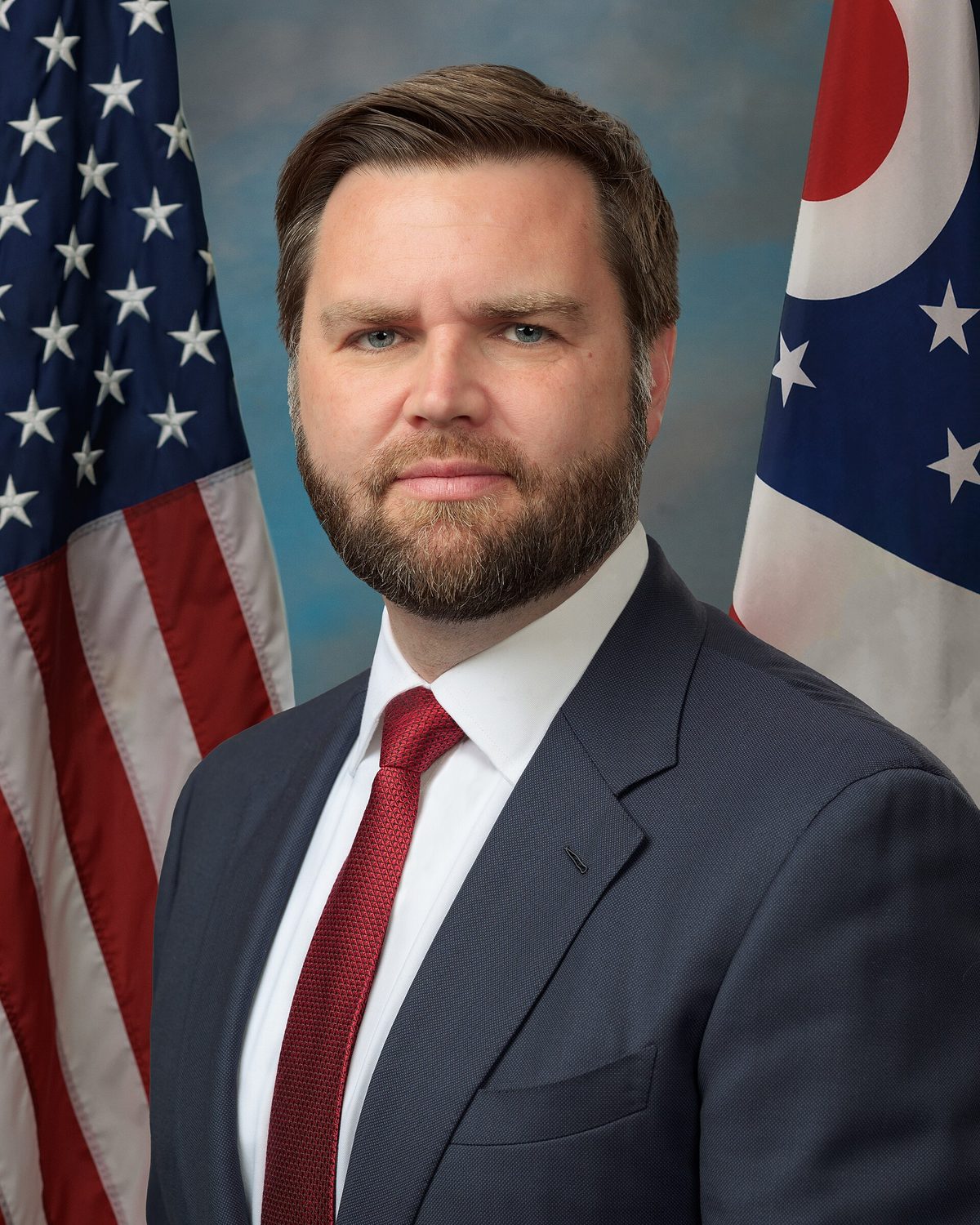
President Donald Trump pulled Vice President JD Vance off the Iran negotiations on November 12 and told him to focus his "complete and total attention" on alleged corruption and crime in Democratic-led cities and states. "We don't need a deal with Iran. Those days have long since passed. We've got their money, Hundreds of Billions of Dollars, and we've got their Strait!" Trump wrote in a Truth Social post. He named Minnesota, California, and Illinois as examples, and gave no specific examples of the billions he said were being stolen each month.
Vance had been the administration's point man on Iran since April, when Trump tapped him to lead the negotiations. He traveled to Pakistan to spearhead talks in Islamabad, helped orchestrate a tentative peace deal in June that later fell apart, and headed a round of direct talks in Switzerland that ran for 21 hours of substantive discussions without producing an agreement. The directive came one day after the Wall Street Journal reported that Vance was considering face-to-face negotiations with a top Iran security official.
The move followed a blunt public statement from Vance about the war's political cost. In an X post on November 4, the day after the midterms, Vance blamed the war for Republican losses, writing, "The reason we lost is the war." He added: "If you'd like to argue it was worth it, that losing the Senate for the next 6 years was worth it, then do so." Trump said earlier in the week that he was fine with the post, telling reporters, "A lot of people didn't like his comments, but not me."
The war began on February 28, 2026, with U.S. and Israeli strikes on Iran. Twenty-three U.S. service members have been killed. A ceasefire took effect on April 8 and collapsed in early July, and the U.S. blockade of Iranian ports was reimposed on July 14 and remains in effect. Trump told reporters on November 9 that further escalation "won't be necessary," and in a "60 Minutes" interview taped on November 6 he said, "Iran, militarily, is effectively over. We're just keeping it the status quo."
Trump believes the blockade and sanctions are working, and that Iran's leadership is under enough pressure that the United States does not need to negotiate. The administration's stated goal remains ensuring that Iran does not obtain a nuclear capability, but the president's message is that the leverage now comes from economic pressure and the seized assets, not from a deal at the table.
Vance's new assignment builds on a role he already holds. He leads the White House Task Force to Eliminate Fraud, created by a March executive order targeting fraud in federally funded benefit programs. The November 12 directive expands that focus, sending him after alleged corruption in Democratic-led cities and states rather than after a diplomatic agreement with Tehran.
The shift carries real stakes for Vance's own future. He is widely seen as running for president in 2028, and the Iran role was meant to give him a foreign-policy portfolio to match his domestic profile. Being tied to an unpopular war could hurt him politically, and distancing him from the negotiations may protect him, but it also removes him from the room where the most consequential foreign-policy question of the administration is being decided.
For now, there are no talks scheduled and no deal on the table. The administration's position, as Trump put it, is that it does not need one. The blockade and sanctions continue, the Strait remains a point of leverage, and the vice president's attention has been redirected to a domestic fight that the president plainly sees as more useful to his agenda.
Why it matters: The reassignment is a political pivot disguised as a personnel move. Trump is distancing his likely successor from an unpopular war while redirecting him to a domestic fight against Democratic-led states, which plays far better with the president's base. It also signals that the administration believes the blockade and the seized assets have given it enough leverage over Iran that it no longer needs a negotiator at the table. The risk is that removing the negotiator also removes the off-ramp: if the situation deteriorates, there is no one left in the room to talk to, and the president has publicly declared that he does not need a deal.
Spot an error? Orbit News corrects articles promptly and notes the correction in the article. See our Editorial Policy, or flag an error by messaging us on Facebook, X, or Instagram.