Business
Texas Governor-Elect Vows Data Center Crackdown, Rattling the AI Buildout
Gina Hinojosa says Texas will halt new data center approvals until lawmakers pass protections, in the state that holds a quarter of America's data center power.
Texas Governor-elect Gina Hinojosa said on Thursday that the state will introduce laws to protect residents from data centers, and that approvals should stop until those protections are in place. Data centers have moved into mostly rural communities, and there are no rules and laws to protect Texans, the Democrat told CNN in an interview.
We will have laws to protect Texans, and we need to stop what we are doing with data centers until we have those protections, Hinojosa said. She added that communities should have a seat at the table on whether and how data centers operate in their areas, a direct challenge to an industry that has expanded across Texas with little local input.
Hinojosa defeated Republican Governor Greg Abbott in Tuesday's election, winning 56.7 percent of the vote to Abbott's 42.0 percent, according to the Associated Press, which counted 4,080,339 votes for Hinojosa and 3,024,099 for Abbott. She will be the state's first Latina governor and the first woman to hold the job since 1995. She takes office on January 19, 2027, and her data center pledge was one of the most consequential promises of her campaign.
The pledge is a pause, not a permanent ban, and Hinojosa has been explicit that she is not opposed to the industry itself. Her plan calls for a moratorium on all new data center approvals until the Texas Legislature passes laws covering how much electricity the facilities can draw, how much water they can use, and what say nearby residents get before a project is permitted.
Her legislative wish list goes further. It calls for requiring union labor on data center projects, opening the industry's dealings to public view, ending subsidies, and making sure households do not bear higher water or electricity costs because of the facilities. She has also said she wants to stop companies from using nondisclosure agreements that keep the public from tracking projects.
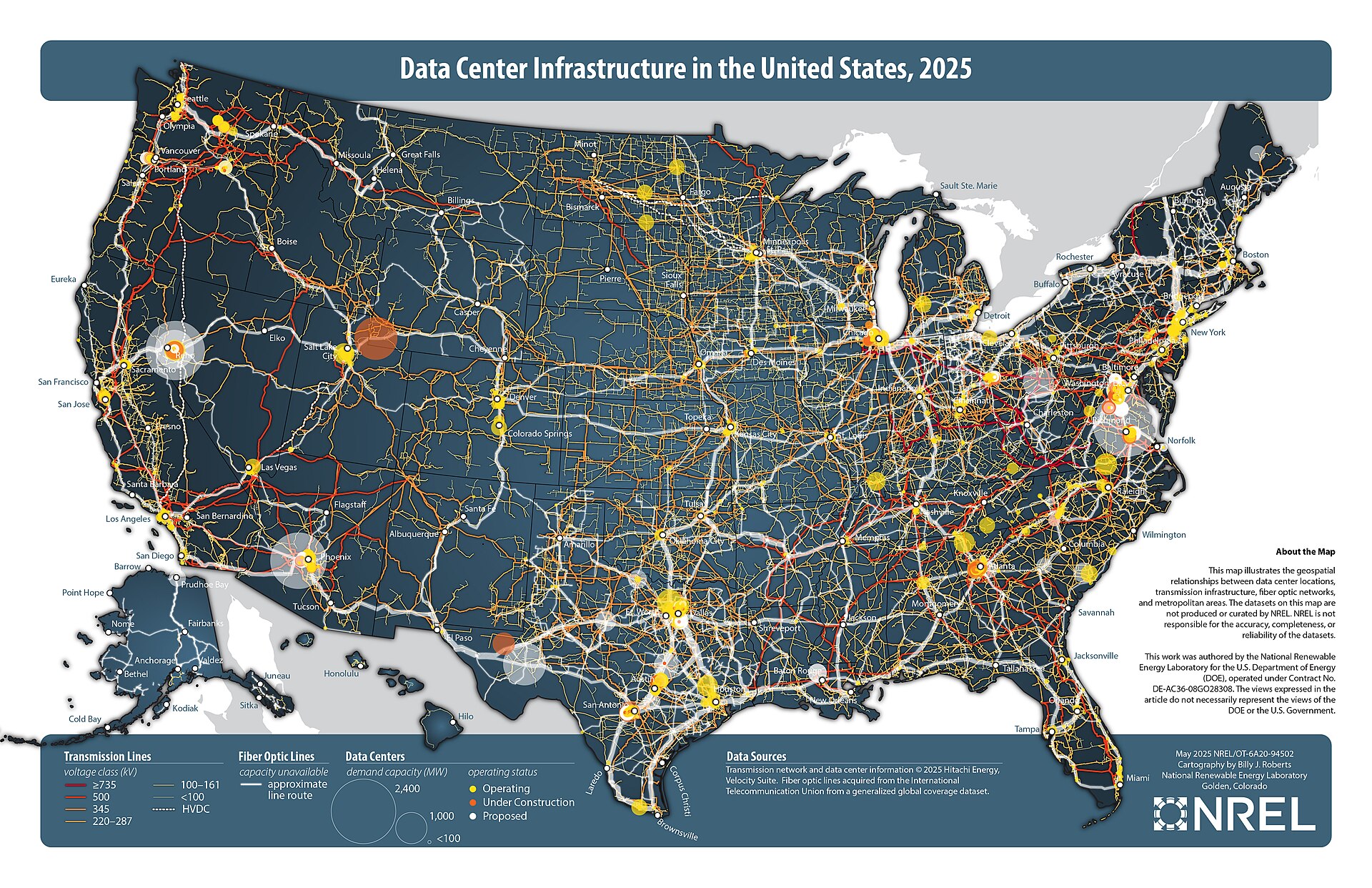
The stakes are enormous because Texas sits at the center of the American AI buildout. The state holds about 27 percent of the country's data center power capacity, according to a Wells Fargo estimate. Texas has more than 80 data centers in operation, the second-highest count of any state, with another 50 under construction and more than 120 on the drawing board. Grid operator ERCOT is tracking more than 400 gigawatts of data center projects seeking to connect to the grid.
Investors have already reacted. Data center stocks fell sharply after her victory, with Hut 8 dropping about 23 percent on Wednesday, November 4. CoreWeave closed down about 9.9 percent and Nvidia fell 3.17 percent the same day, even as the Dow gained 3.03 percent. The market's message was clear: the industry's fastest-growing state may be about to slow down.
Hinojosa is not starting from zero. Abbott himself began pausing approvals in August, when he ordered an audit of every data center in the grid connection queue, and on September 21 he told the state's environmental agency to halt data center permits until that audit is done. The audit is expected to run through December. Hinojosa's proposal would extend the freeze and tie its end to legislation rather than to the audit's completion.
The politics of the plan are complicated. A moratorium with legal force requires the Legislature, which convenes in January with Republicans still in charge of the Senate. Bill filing opens on November 9, and Hinojosa will work with a Democratic-majority Texas House. Until she takes office, Abbott's orders remain the operative limit on new construction, and projects that already hold permits continue to move.
The fight in Texas is also a national story. Voters rejected data center projects in 40 of 41 local ballot measures across 10 states on Tuesday, and the backlash against the AI buildout's demands on power, water and land is now a political force in both parties. What happens in Texas, the industry's biggest hub, will shape how every other state handles the same fight, and Hinojosa's first months in office will be watched far beyond Austin.
Reporting: Reuters via Duke FM
Spot an error? Orbit News corrects articles promptly and notes the correction in the article. See our Editorial Policy, or flag an error by messaging us on Facebook, X, or Instagram.