Business
Gold Posts Best Week Since August as Oil Plunges More Than 12 Percent
Investors fled to safety after the midterms while crude suffered its steepest weekly drop since the pandemic as Iran war fears faded.
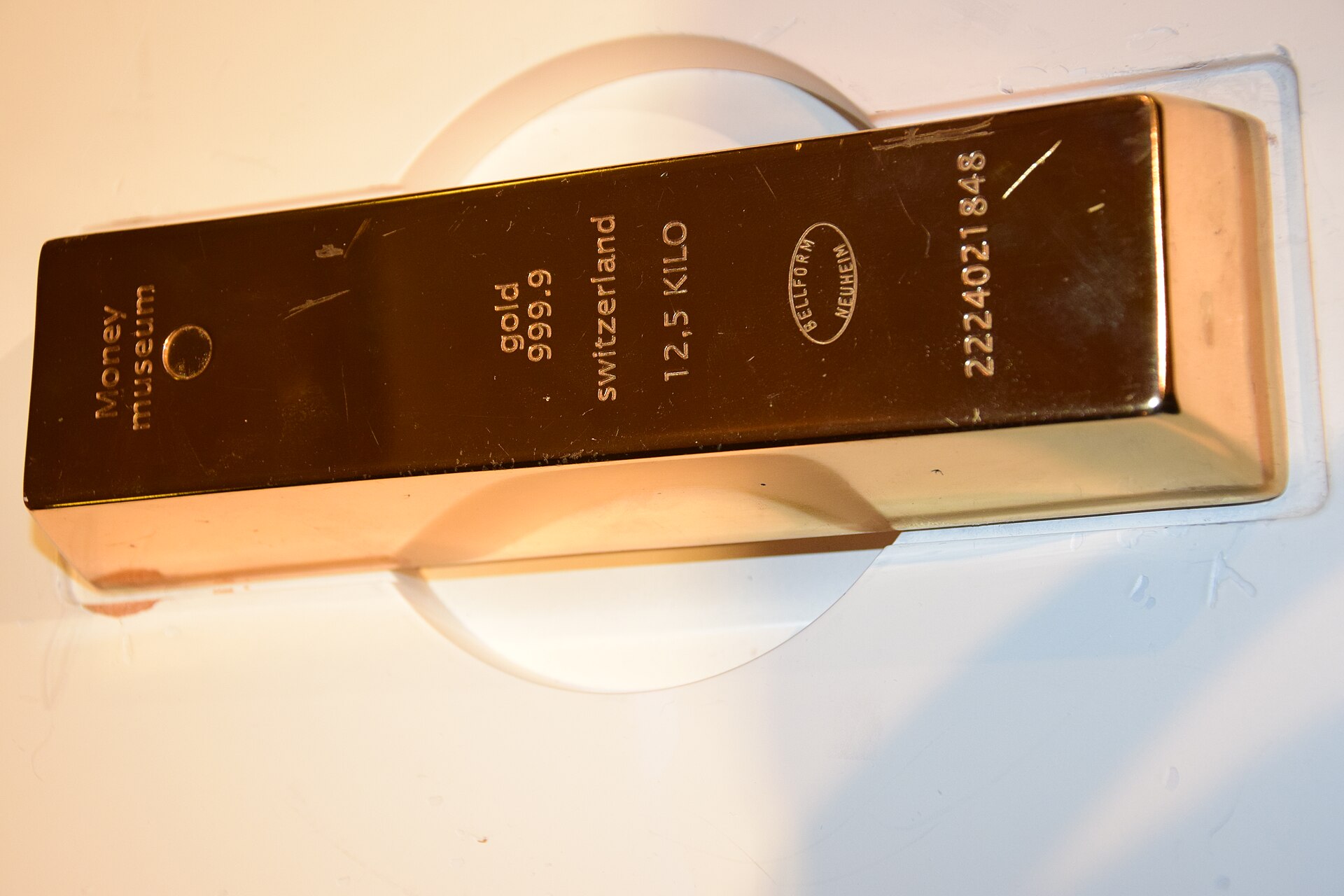
Gold recorded its strongest weekly gain since August, rising nearly 4.5 percent, as crude oil suffered its steepest weekly decline since April 2020. The two markets moved in opposite directions all week, driven by the same force: the midterm elections and what they mean for American policy.
Spot gold gained about 5 percent in the week to November 6, its best week since August, according to Reuters data. The metal slipped on Friday after a strong American jobs report lifted the dollar and raised the odds of a Federal Reserve rate hike, settling around 4,074 dollars an ounce. But the weekly gain stood, and gold reclaimed the 4,000 dollar level it had lost during the autumn slide.
Silver and platinum did even better. Silver rose 5.41 percent for the week and platinum jumped 7.03 percent, while palladium added 2.98 percent. The broad metals rally reflected the same flight to safety that lifted gold, as investors shifted capital away from equities during the week's technology rout.
Crude oil was the week's biggest loser. West Texas Intermediate fell from above 104 to 105 dollars a barrel to around 90 dollars, while Brent crude eased to the 97 to 98 dollar range. Both benchmarks posted weekly declines of more than 12 percent, with Brent down about 13.3 percent and WTI down about 12.8 percent, and some measures put Brent's weekly drop as high as 17 percent.
The oil slump was driven by hopes of de-escalation with Iran after the midterm results. Prices had jumped above 100 dollars a barrel this summer on fears of war, and the Democratic sweep raised expectations that the new Congress would restrain the administration's course. Saudi Aramco added to the pressure with a sharp cut to its official selling prices for December delivery, and forecasts of oversupply weighed on the market.
The jobs report complicated the picture for gold on Friday. Employers added 165,000 jobs in October, far more than expected, and the unemployment rate fell to 4.1 percent. The strong data pushed Treasury yields higher and lifted the odds of a December rate hike to about 80 percent, which pressured gold, since higher rates make non-yielding assets like bullion less attractive.
Underlying demand for gold remains strong. World Gold Council data showed a fourth straight month of inflows into gold exchange-traded funds in October, as institutional investors continued to add the metal to their portfolios. Central banks have also been steady buyers, and the metal's rebound from its late-October lows suggests the summer's highs near 4,300 dollars are not forgotten.
The dollar index moved in a range of about 101 to 102 during the week, while the American 10-year Treasury yield moved in a band of roughly 4.9 to 5.0 percent. Those levels reflect a market caught between two forces: a strong jobs report that argues for tighter policy, and a stock market selloff that argues for caution.
Energy traders now face a market transformed in a matter of days. Oil that traded above 100 dollars a barrel in the summer is now near 90, and the combination of weaker demand forecasts, rising supply and easing geopolitical risk points to further pressure. Tanker attacks in the Gulf kept a floor under prices on Friday, with Brent settling at 98.32 dollars, but the week's direction was unmistakable.
The week captured a market in transition. Gold's surge and oil's collapse tell the same story from opposite sides: investors are repricing the world after the midterms, moving money toward safety and away from the war premium that had inflated crude prices all summer. Whether that repricing holds will depend on what the new Congress actually does, and on whether the Iran de-escalation that traders are betting on actually happens.
Reporting: The Freedom Press
Spot an error? Orbit News corrects articles promptly and notes the correction in the article. See our Editorial Policy, or flag an error by messaging us on Facebook, X, or Instagram.