Technology
Tesla's Cybertruck Wind-Down Accelerates as Only the $109,990 Cyberbeast Remains on Sale
Tesla has pulled every cheaper Cybertruck from its U.S. configurator and dropped its lowest-priced Model Y, as the company clears the decks for its robotaxi.
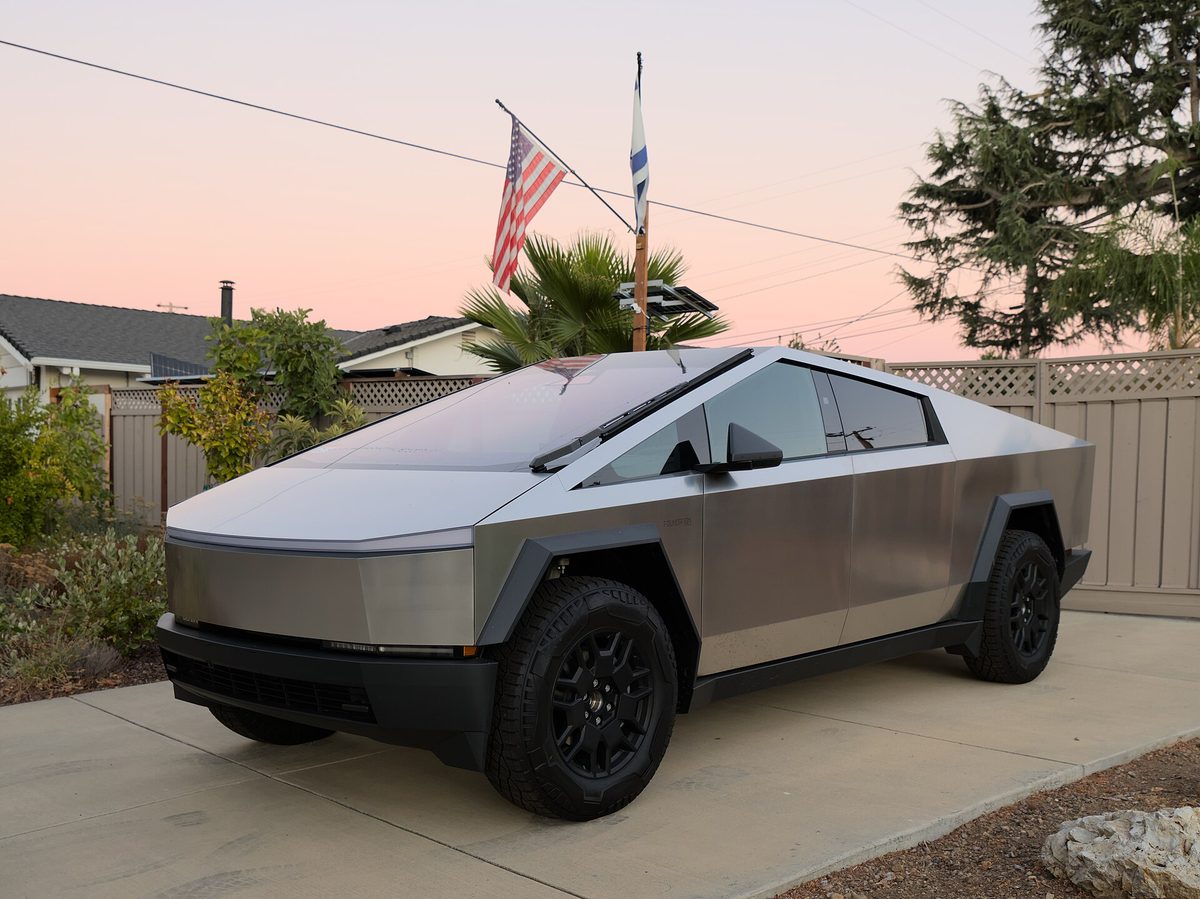
Tesla is now selling only one version of the Cybertruck in the United States: the tri-motor Cyberbeast, priced at $109,990 after another $7,500 increase this week. The Dual Motor and Premium all-wheel-drive versions are still listed on Tesla's configurator, but both are greyed out and cannot be selected, leaving the most expensive truck as the only one a buyer can order.
The price moves have been rapid. A week ago the Cyberbeast cost $102,490; before that it was $99,990 — a $10,000 increase in about a week on a truck that has not changed, with 320 miles of estimated range, 11,000 pounds of towing and a 0-to-60 mph time of 2.6 seconds. The cheapest Cybertruck a buyer can order today costs $109,990, up 57 percent from $69,990 in early August.
The configurator change follows Tesla's announcement on November 6 that Cybertruck production will end. That same day, the company raised Cybertruck prices by up to 10 percent and paused orders for the base Dual Motor version, making the $92,490 Premium all-wheel-drive model the entry point. Now that version is gone too, with no announcement — the configurator simply stopped letting buyers pick it.
The wind-down is moving faster than the original timeline suggested. Earlier this week, chief executive Elon Musk extended production through the end of summer 2027 to work through the order backlog, two months longer than his first announcement. Musk has said the order rate "far exceeds" production and that Tesla would "have to return deposits for a lot of people."
The backlog claim sits uneasily with the sales data. Electrek estimates Tesla delivered 7,000 to 8,000 Cybertrucks in the third quarter, a pace of about 30,000 a year, on a production line with more than 125,000 units of installed annual capacity. In February, Tesla was offering a dual-motor Cybertruck at $59,990 for "only the next 10 days" — $50,000 less than the cheapest Cybertruck available today, nine months later.
Some of those $59,990 buyers are still waiting, with delivery dates pushed into 2027, and Tesla has not said whether their orders — or any other Dual Motor and Premium orders still in the queue — will be built before production ends. New inventory is not an alternative either: Electrek found no new Cybertrucks within 200 miles of Los Angeles when it checked.
The Cybertruck is not the only model Tesla is pruning. On Friday, the company also removed its lowest-priced all-wheel-drive Model Y — the roughly $42,000 Standard all-wheel-drive version — from its U.S. configurator after less than a year on sale. The next all-wheel-drive Model Y, the $51,630 Premium version, costs about $10,000 more.
The changes are part of a broader reshaping of Tesla's lineup as the company pivots toward autonomy and robotics. Musk has said the freed-up factory capacity will go to the Cybercab, Tesla's two-seat robotaxi, as the company shifts from being a traditional automaker to one built around self-driving vehicles and robots.
The Cybertruck's arc is a long way from its unveiling in 2019, when Musk promised a truck starting at $39,900, with the tri-motor version at $69,900. The truck never came close to its original price or volume targets: the base version was offered at $59,990 as recently as February, and sales ran at about 30,000 a year on a line built for more than 125,000.
For buyers, the practical effect is simple: if you want a new Cybertruck that is not a Cyberbeast, you are now shopping used. A truck going out of production with no cheaper new option could hold its value better than it has over the last two years, though that depends on how many of the remaining orders Tesla actually builds.
For Tesla, the end of the Cybertruck closes the book on its most polarizing vehicle — a stainless-steel pickup that drew crowds and headlines but never became a volume seller. What matters now is whether the factory space it frees up produces a robotaxi business that can justify the pivot, or whether the company has traded a real, if modest, truck business for a promise that is still years from paying off.
Why it matters: The Cybertruck's quiet exit says more about Tesla than any earnings call: the company is walking away from a vehicle that was supposed to sell hundreds of thousands a year, and doing it by raising prices and cutting choices rather than discounting to clear the line. That only makes sense if the factory space is worth more building robotaxis — a bet that will be judged not by how the last Cybertrucks sell, but by whether the Cybercab ever reaches volume production.
Reporting: Electrek · The Drive
Spot an error? Orbit News corrects articles promptly and notes the correction in the article. See our Editorial Policy, or flag an error by messaging us on Facebook, X, or Instagram.