Technology
SpaceX to Spend Over $74 Billion on AI Supercomputing Campuses in Texas and Arizona
The rocket company is pivoting hard into artificial intelligence infrastructure, with two mega-campuses that together would create more than 9,500 construction jobs.
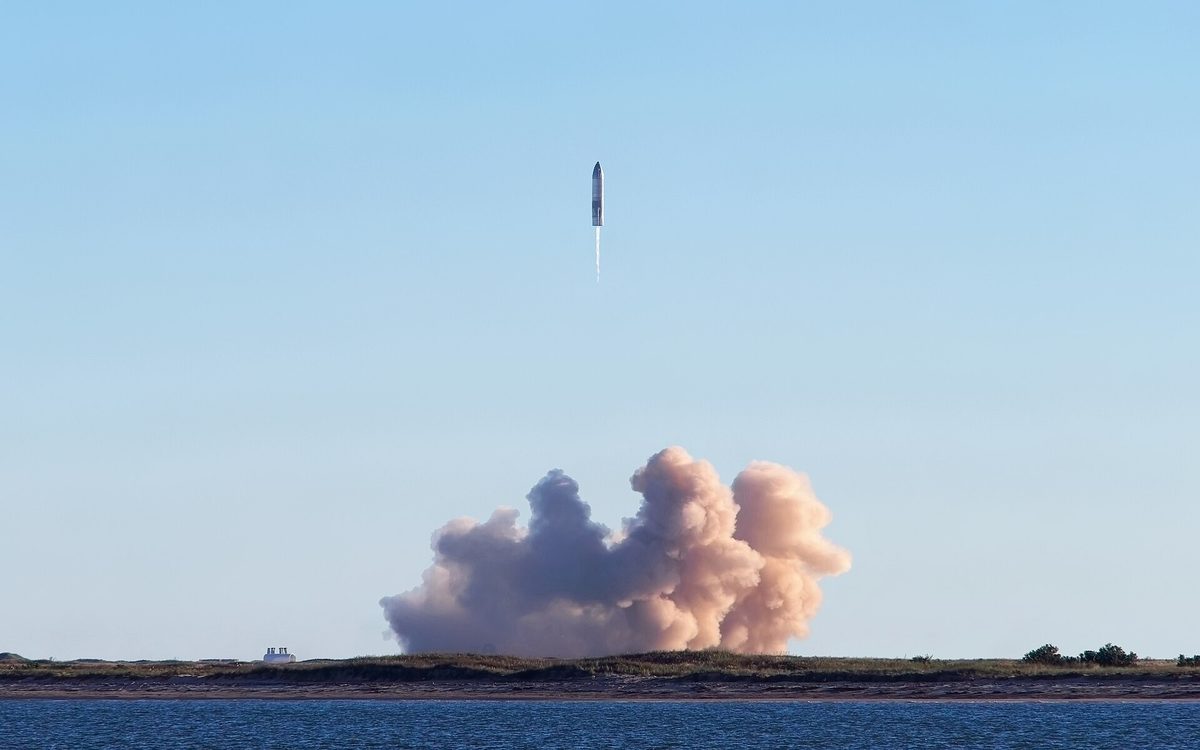
SpaceX announced on Thursday that it will invest more than $74 billion to build two giant artificial intelligence supercomputing campuses, one in Texas and one in Arizona, in the company's biggest move yet beyond rockets and satellite internet.
The Texas campus, at the company's Starbase site, will receive more than $24 billion in investment. The Arizona campus, planned for Cochise County, will receive about $50 billion. Together, the two projects add up to more than $74 billion, a figure that puts SpaceX among the largest private investors in AI infrastructure in the United States.
The Arizona campus is the larger of the two. It is planned to deliver up to 6 gigawatts of computing capacity, use dry cooling to limit water use, and create 5,500 construction jobs plus 1,000 permanent jobs once it is running. The scale would make it one of the biggest data-center developments ever announced in the American Southwest.
The Texas campus covers 444 acres at Starbase and will include a gas-fired power plant that generates its own electricity, with 748 megawatts of generating capacity. SpaceX said more than 3,000 construction jobs are already underway there, along with more than 500 permanent positions, and the project includes up to $220 million for water and wastewater infrastructure in nearby Brownsville.
Both campuses still face key local votes on December 9. Starbase is seeking a tax abatement from local officials, while Cochise County will hold a planning and zoning hearing on the Arizona project, filed under application number SU26-22. Neither approval is guaranteed, and the Arizona proposal has already drawn a petition with more than 2,400 signatures opposing the permit.
The announcement confirms a major shift in SpaceX's business. Artificial intelligence now accounts for more than half of the company's revenue in the third quarter, according to the reports, a striking change for a company founded to build rockets. The computing campuses would give SpaceX a second pillar alongside Starlink and its launch business.
Combined, the two campuses are expected to create more than 9,500 construction jobs and more than 1,500 permanent jobs, according to the reports. That makes the projects a significant economic story for both regions, even as local residents raise questions about power, water and the pace of construction.
The December 9 votes will be the first real test of whether the projects can move forward on SpaceX's timeline. Supporters point to the jobs and investment, while opponents in Arizona have focused on the strain a 6-gigawatt facility could place on local power and water supplies. In Texas, the debate centers on the tax abatement and the long-term benefits for the Brownsville area.
The projects also highlight how the AI buildout has become a land-use and infrastructure story as much as a technology one. A 6-gigawatt campus needs power on a scale that few places can provide, and the dry-cooling plan in Arizona is a direct response to concerns about water in the desert Southwest. The Texas site's decision to generate its own power shows how far developers are willing to go to avoid waiting for grid connections.
For Brownsville and Cochise County, the stakes are jobs and tax revenue against the strain on local services. Supporters argue the campuses will anchor new industries in both regions, while critics say the benefits flow mostly to the company. The December 9 votes will show which argument local officials find more convincing.
SpaceX's move also lands in the middle of a broader race to build AI computing capacity, with tech giants and startups alike pouring hundreds of billions of dollars into data centers. SpaceX is now betting that its experience building large, power-hungry infrastructure for rockets can translate to the supercomputing business. Read the report from The Hindu BusinessLine
Why it matters: This is SpaceX becoming an AI company in public: more than half its quarterly revenue already comes from AI, and a $74 billion infrastructure bet is far too large to be a side project. The two campuses also put the company on a collision course with local politics, since both still need December 9 approvals and the Arizona site already faces organized opposition. If both clear, SpaceX will be one of the biggest data-center operators in the country; if either stalls, it will show the limits of even the best-funded AI buildout.
Reporting: The Hindu BusinessLine · Seoul Economic Daily
Spot an error? Orbit News corrects articles promptly and notes the correction in the article. See our Editorial Policy, or flag an error by messaging us on Facebook, X, or Instagram.