U.S. News
Supreme Court Case Could End Lawsuits Against Federal Agents Like ICE
The justices hear arguments Monday in a case that could wipe out what remains of the 1971 Bivens decision, the ruling that lets people sue federal officers for violating their constitutional rights.
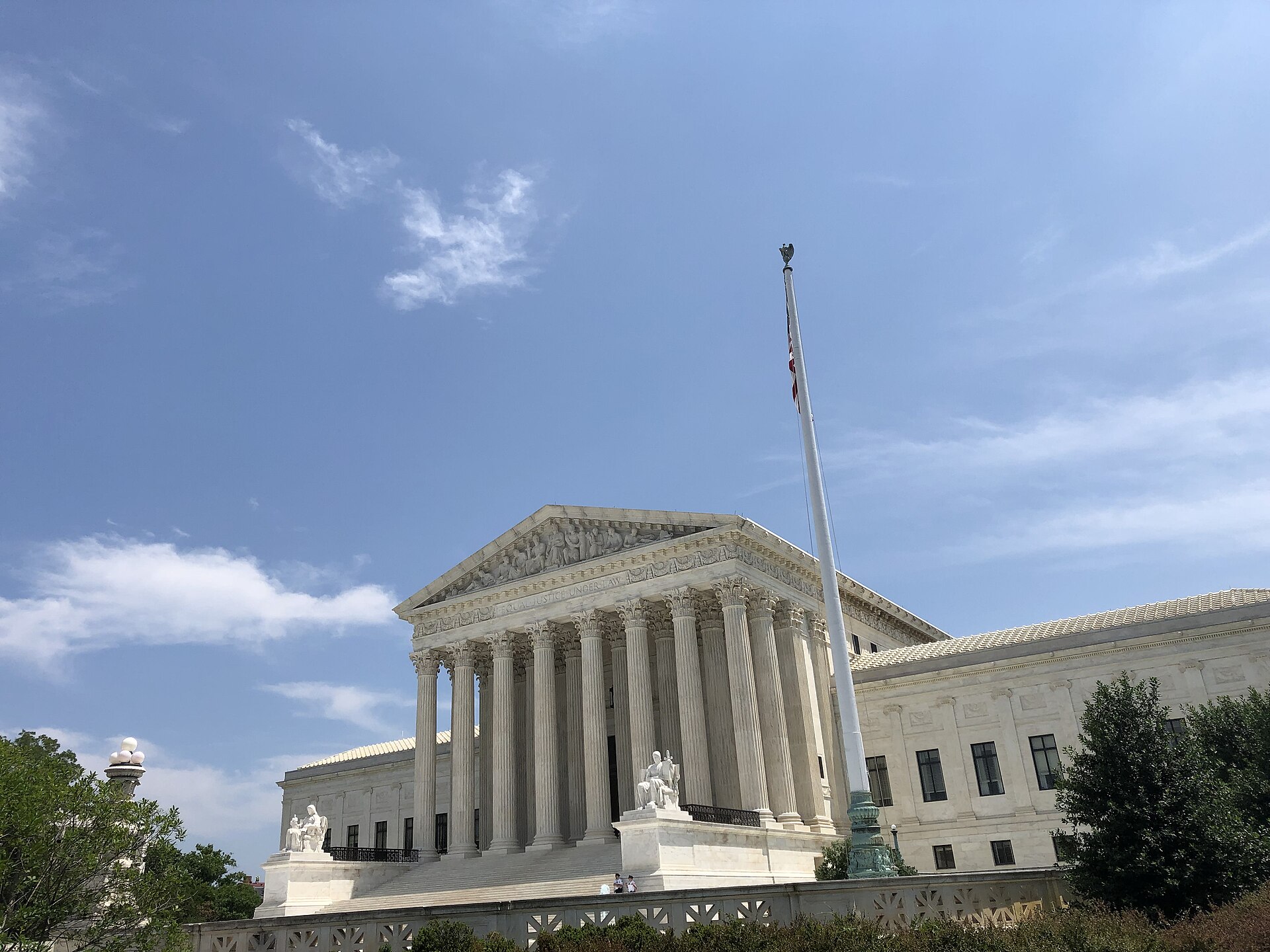
The Supreme Court will hear arguments on Monday in a case that could end lawsuits against federal agents, including immigration officers, in a decision with far-reaching consequences for how Americans can hold federal power to account. Depending on the outcome, the court could block such suits entirely, closing a legal door that has been open, in narrowing form, for more than half a century.
The case centers on Kekai Watanabe, who is seeking $3 million in damages from a federal prison nurse. Watanabe says he should have been hospitalized or seen a specialist after being attacked during a gang-related fight at a prison in Honolulu in 2021. His lawsuit gives the court's 6-3 conservative majority an opportunity to overturn what is left of a controversial 1971 decision, Bivens v. Six Unknown Named Agents, which allowed people to sue federal officers for monetary damages when they violate constitutional rights.
The Bivens decision has been steadily narrowed by decades of Supreme Court rulings. The court has limited the ability to seek damages from a federal employee accused of violating someone's constitutional rights, and in recent years it has barred lawsuits in cases that are different in a meaningful way from the details spelled out in Bivens or in the only two other cases in which the court has allowed similar constitutional claims.
An appeals court ruled that Watanabe's claim passes that test, finding it identical to a 1980 Supreme Court decision in which the court said federal prison staff violated the Eighth Amendment's ban on cruel and unusual punishment when they failed to respond appropriately to a prisoner's fatal asthma attack. The Justice Department argues that the 1980 decision is now obsolete because of more recent Supreme Court rulings limiting the reach of such claims.
The case has taken on special significance amid calls to hold immigration agents and others accountable for their actions, including the fatal shootings of Renee Nicole Good and Alex Pretti in Minneapolis earlier this year. Erwin Chemerinsky, dean of the law school at the University of California, Berkeley, said the stakes could hardly be higher. If Bivens is eliminated, he said, there will be literally no way to sue in federal court when a federal agent like ICE violates the Constitution.
Conservatives have long criticized the 1971 decision, arguing that the then-liberal Supreme Court used it to grant rights that are not spelled out in the Constitution. Supporters of Bivens say it is the only meaningful remedy when a federal officer violates someone's rights, because there is no other federal law that generally allows such damages suits against individual federal employees.
The case arrives at a moment of intense public attention on federal law enforcement. Immigration enforcement operations have expanded sharply, and confrontations between federal agents and civilians have drawn scrutiny in cities across the country. Critics of the administration's enforcement tactics say the ability to sue is one of the few checks on agents who operate with broad authority and limited oversight.
If the court rules against Watanabe, the practical effect would be to leave people who say their constitutional rights were violated by a federal agent with almost no route to compensation in federal court. State courts and internal agency discipline would remain, but legal scholars say those paths are far weaker and often unavailable, particularly when the agent was acting under federal authority.
The justices are not expected to rule immediately. A decision is expected by next summer, when the court's term ends, and the ruling could be narrow, deciding only Watanabe's case, or broad, eliminating Bivens claims altogether. Court watchers say the breadth of the ruling will matter as much as the outcome itself.
Whatever the court decides, the case is a reminder of how much of American civil rights law rests on a single 55-year-old precedent that the justices have been chipping away at for decades. The question now is whether anything of it will be left standing when they are done.
Reporting: USA Today
Spot an error? Orbit News corrects articles promptly and notes the correction in the article. See our Editorial Policy, or flag an error by messaging us on Facebook, X, or Instagram.