World
South Africa's ANC Suffers Historic Local Election Losses, Slipping to About 31%
The ANC fell to about 31 percent in South Africa's municipal elections, its worst result ever, losing its majority in six of eight major metros as the Democratic Alliance surged in the cities.
South Africa's governing African National Congress has suffered the worst election result in its history, falling to about 31 percent of the national vote in this week's local government elections and losing its grip on the country's biggest cities. With 99 percent of votes counted, the ANC stood at 31 percent against 25 percent for its main rival, the Democratic Alliance, according to near-complete results released on Sunday.
The scale of the defeat is stark. The ANC won nearly 46 percent of the vote in the 2021 local elections, and its share has now fallen by roughly 14 points in five years. ANC Secretary-General Fikile Mbalula called the result catastrophic for the party, and the ANC's own statement conceded plainly: we did not do well in this election.
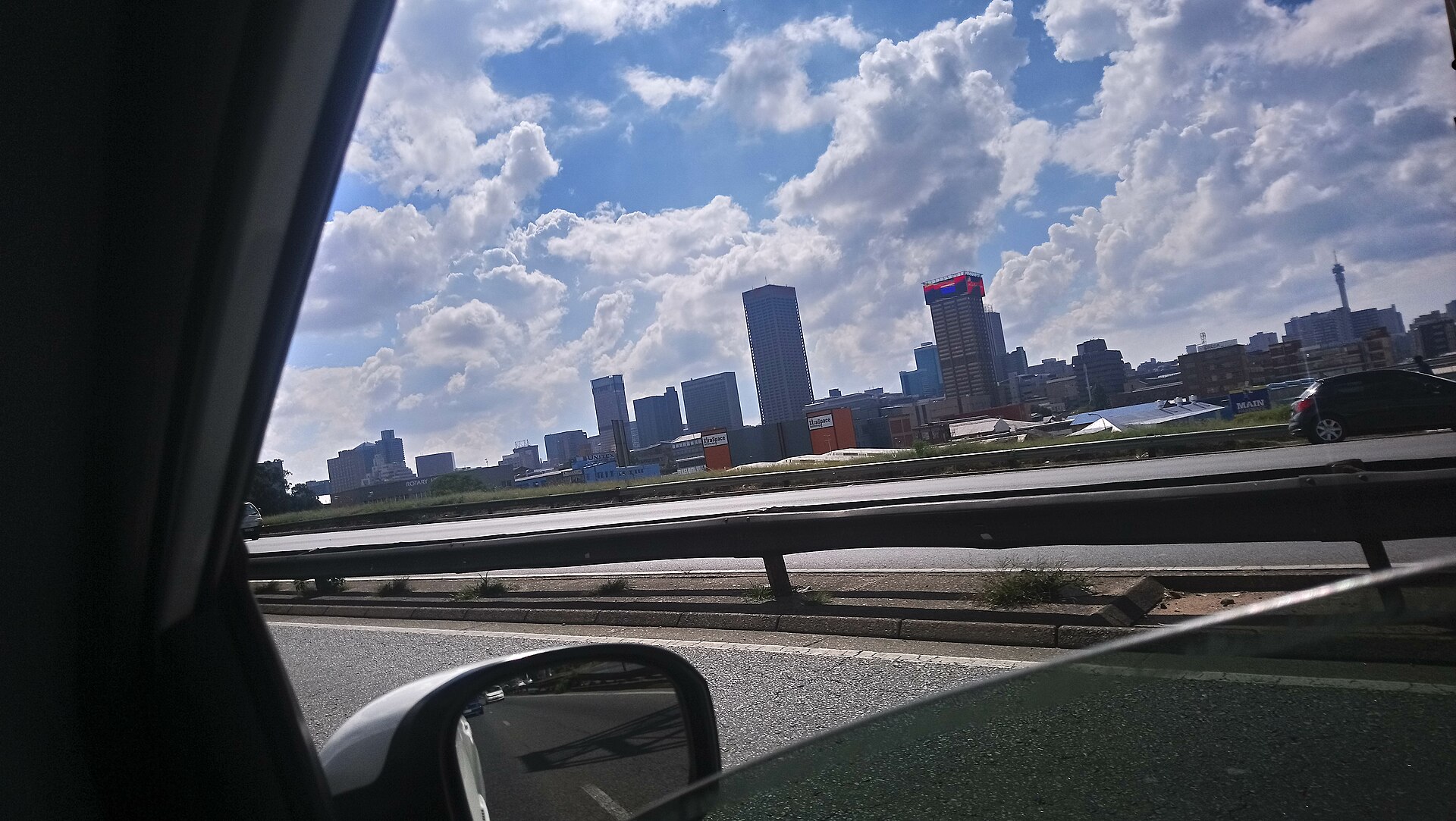
The damage is most concentrated in the cities. The ANC has lost its status as the leading party in Johannesburg, Tshwane and Ekurhuleni, and it lost its majority in six of the eight major metropolitan municipalities. In Johannesburg, the country's economic heartland, the pro-business Democratic Alliance led the count with about 35 percent of votes, compared with 20 percent for the ANC. In Tshwane the DA had about 34 percent, and in Ekurhuleni about 31 percent, while in Nelson Mandela Bay it had about 44.5 percent against the ANC's 25.5 percent.
In eThekwini, which includes the port city of Durban, former President Jacob Zuma's uMkhonto weSizwe Party led with about 41 percent of the vote, well ahead of the DA on about 24 percent and the ANC on about 17 percent. The MK Party, contesting its first local government elections, won about 10 percent of the national vote, putting it in third place overall. The Economic Freedom Fighters took about 6.2 percent and ActionSA about 5.7 percent. The DA retained its outright majority in Cape Town with more than 60 percent of the vote.
No party won more than 50 percent of votes in many cities, and more than 100 councils across the country returned no outright majority. That sets up difficult coalition negotiations in hung councils nationwide, including Johannesburg, Tshwane, Ekurhuleni, eThekwini, Nelson Mandela Bay and Mangaung. Under South African law, newly elected councils must hold their first meetings and elect mayors within 14 days of the declaration of results, forcing parties into rapid coalition deals.
The Electoral Commission is expected to announce the final results at 6 p.m. on Sunday. Turnout was running at about 52 percent, higher than in 2021, according to projections by the state-funded Council for Scientific and Industrial Research. The ANC's National Executive Committee is due to meet on Thursday, November 12, to discuss the result and the party's response.
The result is the latest blow in a decline that has been gathering pace for years. The ANC, which led the fight against apartheid and has governed South Africa since 1994, lost its parliamentary majority in the 2024 national election for the first time, forcing it into a coalition government. Public discontent has grown over persistent problems such as water and electricity shortages and poorly kept roads, and the auditor-general's 2024-25 municipal audit found that only 39 of South Africa's 257 municipalities achieved clean audits.
The Democratic Alliance, which governs nationally with the ANC in the Government of National Unity, was the clearest winner in the cities. Its gains in Johannesburg, Tshwane and Ekurhuleni put it in a strong position to lead coalition governments in the country's economic heartland, though it will need partners in every hung council. The party's improved national share, up from 21.7 percent in 2021 to about 25 percent, reflects its appeal to voters frustrated with failing services.
For the ANC, the question now is whether the local election rout accelerates the internal reckoning that began after the 2024 national election. The party remains the largest nationally, but its dominance of South African politics, once taken for granted, is gone. Coalition talks over the next two weeks will decide who governs the country's biggest cities, and the deals struck there will shape the balance of power ahead of the next national election.
The results also carry a warning for the Government of National Unity itself. The ANC and the DA now govern together in Pretoria while competing fiercely, and often bitterly, for control of the metros. How the two parties manage that tension, in Johannesburg and Tshwane as much as in the national cabinet, will be one of the defining questions of South African politics in the months ahead.
Reporting: Reuters
Spot an error? Orbit News corrects articles promptly and notes the correction in the article. See our Editorial Policy, or flag an error by messaging us on Facebook, X, or Instagram.