World
France's Fourth Weekend of Protests Draws 146,000 as Turnout Falls
About 146,000 people demonstrated across France on the fourth Saturday of protests over the cost of living, as turnout fell sharply and the Yellow Vests defied a ban with a separate rally in Paris.
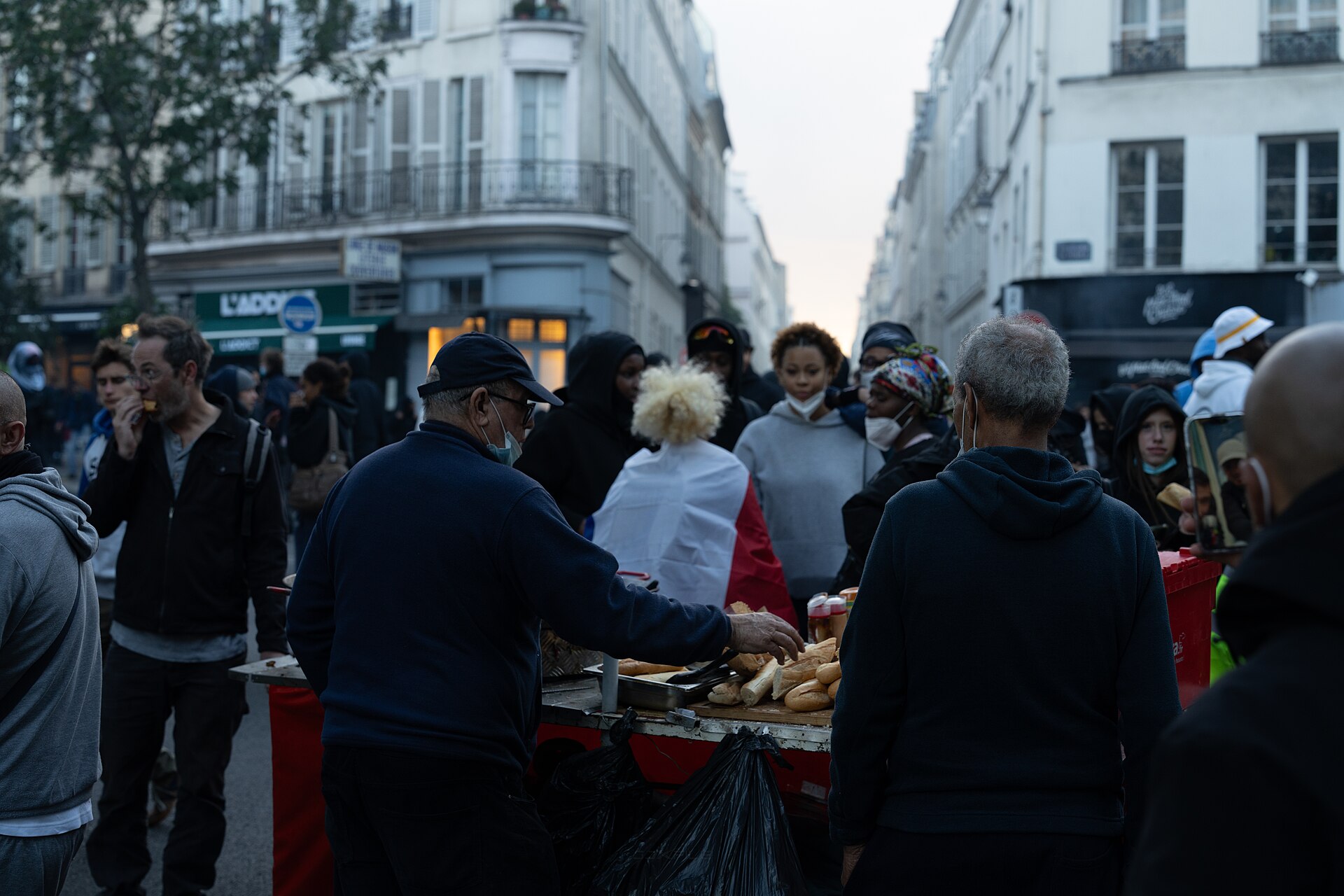
Tens of thousands of people protested across France on Saturday for a fourth consecutive weekend, in another show of anger against the government over the rising cost of living and the state of the country's schools. About 146,000 people rallied across the country, including 46,000 in Paris, according to the Ministry of the Interior, while unions put the nationwide figure at 250,000, with 75,000 in the capital.
The turnout was sharply down from the start of the movement. The interior ministry counted 550,000 demonstrators on October 17, followed by 410,000 on October 24 and 320,000 on October 31. The decline suggests the protests are losing momentum, though organizers insist the movement remains strong and point to the nationwide strike on Thursday, November 5, which they say brought together far larger numbers.
About 70,000 police officers and security personnel were deployed across the country on Saturday, with Interior Minister Laurent Nunez warning that authorities would be ready and waiting for anyone engaging in rioting or looting. By 7 p.m., 360 arrests had been made nationwide, and police carried out tens of thousands of stops and searches throughout the day. The gatherings in major cities such as Toulouse, Marseille, Lyon, Bordeaux and Strasbourg were marred by riots and incidents, the ministry said.
In Paris, the inter-union march, joined by high school and university student organizations, set off around 2:20 p.m. from Place de la Republique towards Place de la Nation, following a route authorized by the police prefecture. Police launched tear gas and stun grenades at protesters remaining at Place de la Nation at the end of an otherwise peaceful march. Reporting from the French capital, Al Jazeera's Natacha Butler said people working in a variety of jobs attended the demonstrations in support of the student-led movement, including a railway worker who said it was important to support young people as well as protest the cost of living.
The Yellow Vests held a separate rally in central Paris despite an official ban. About a hundred people gathered in the early afternoon at Place de la Concorde, near the Elysee Palace, after the movement refused to join the authorized demonstrations and instead called for mass disobedience. Across the country, the Yellow Vests planned a total of 198 protests on Saturday, a far cry from the approximately 1,700 protests claimed for their first mobilization on October 17.
The demonstrations began in September over poor conditions and a lack of resources at French high schools, and later expanded to encompass a host of grievances linked to worsening living standards. The movement began in earnest on October 17 with calls on social media against soaring fuel prices and the cost of living, and has been joined by the high school and university student mobilization, which is protesting the Parcoursup university admissions platform, the state of school buildings and the failure to replace teachers. The latest wave of demonstrations has since expanded to include demands for wage increases and tax cuts.
The protests come just days after a nationwide strike on Thursday, November 5, which brought together an estimated 575,000 people according to the ministry and 1.6 million according to the CGT union. French students and teachers have called for a new strike on Tuesday, November 10, as they keep up pressure on the government for more education spending, continuing weeks of school closures and protests.
In response, Prime Minister Sebastien Lecornu is scheduled to meet with union and employer representatives on Monday, November 9, to discuss wages and purchasing power, and plans to hold a social conference with workers' and employers' organizations, as well as talks with representatives of secondary school pupils and students. The National Assembly begins its review of the national education budget on November 12.
Youth organizations, including the UNEF student union, said in a press release that the social movement is in a position of strength against a government that is beginning to back down, and called for continued pressure. Manon Moret, general secretary of UNEF, said young people remain determined and angry. The movement continues to be led by France's students, but people of all ages have been taking part.
The demonstrations take place against the backdrop of France's upcoming presidential election, due to be held in April. The government faces a difficult balance: conceding to the protesters' demands on wages and education spending would strain a budget already under pressure, while ignoring a movement that has now filled the streets for four consecutive Saturdays risks allowing it to grow again. Tuesday's strike and Monday's talks will be the next test of whether the two sides can find a way forward.
Reporting: Al Jazeera
Spot an error? Orbit News corrects articles promptly and notes the correction in the article. See our Editorial Policy, or flag an error by messaging us on Facebook, X, or Instagram.