World
ANC Skips Left-Wing Meeting as Coalition Talks Warm Up After Historic Losses
The ANC will skip a left-wing coalition meeting as it weighs how to govern 127 hung councils after falling to 30.76 percent in the municipal elections.
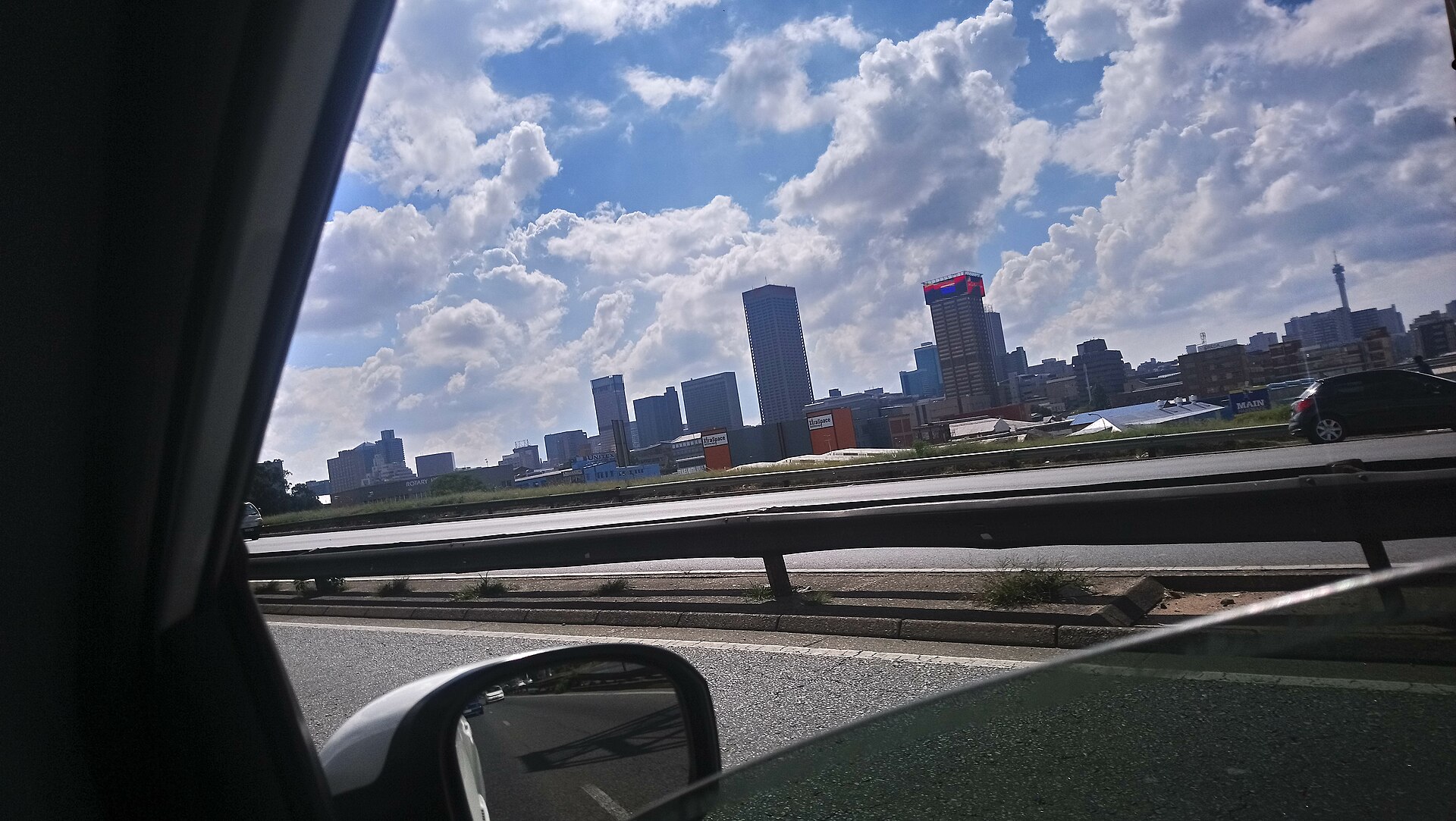
South Africa's African National Congress will skip a meeting of left-wing parties on Wednesday as coalition talks warm up after last week's municipal elections, in which the once-dominant party recorded its weakest result since the end of apartheid and lost its grip on the country's biggest cities.
The ANC will shun a Council of the Left meeting on Wednesday involving the South African Communist Party, the Economic Freedom Fighters, former president Jacob Zuma's uMkhonto weSizwe party and other left-leaning political parties, where discussions are expected to include the way forward on coalition negotiations following the elections. ANC secretary-general Fikile Mbalula confirmed that the party would not attend, saying it had not participated in previous Council of the Left meetings.
The meeting comes as the ANC weighs its options for governing hung municipalities after losing ground nationally and in several key metros. Mbalula leads the ANC's coalitions task team, which also includes trade, industry and competition minister Parks Tau, finance minister Enoch Godongwana and mineral and energy resources minister Gwede Mantashe. The ANC has decided to centralise coalition negotiations, meaning provinces and regions of the party have little say on which parties they will coalesce with.
The polls saw the ANC's electoral support continue its downward spiral, extending a trend evident in previous municipal and national elections. Nationally, the ANC achieved 30.76 percent of the votes, with the Democratic Alliance, its main rival, on 24.64 percent, the MK party on 9.76 percent and the EFF on 6.22 percent. The result is a sharp fall from the 45.59 percent the ANC won in the last municipal elections in 2021, and from the 64.8 percent it won in 2006, at the height of its dominance.
Of South Africa's 213 municipalities, 127 are now hung councils, meaning no party crossed the 50 percent threshold, and only Cape Town will be governed with an outright majority after the DA received 56.42 percent of the vote. The ANC won outright control of 53 municipalities and secured 3,246 council seats, while the DA won 1,695 seats. The Electoral Commission declared the 2026 elections free and fair on Sunday night, after a contest in which 521 parties competed for 10,526 council seats.
The big cities are the biggest prizes. In Johannesburg, the country's commercial hub, the pro-business DA got about 35 percent of votes, compared with 20 percent for the ANC. In Tshwane, the DA led with 34.3 percent, followed by ActionSA on 22 percent and the ANC on 20.2 percent. In Ekurhuleni, the DA led with 30.6 percent against the ANC's 22.1 percent, and in eThekwini, which includes Durban, the MK party led with 38.3 percent, ahead of the DA on 25.4 percent and the ANC on 16.4 percent.
Mbalula called the result 'catastrophic' for the once-dominant party of Nelson Mandela but said the party would not go begging for positions when coalition talks begin. The ANC's deputy general secretary, Nomvula Mokonyane, said it would be a busy week for the party as its leadership was set to meet to determine its approach to coalition negotiations, with its stance guided by the outcome of the national executive committee, which is due to meet on Thursday, November 12.
The other parties are already moving. The DA has said it will seek partners committed to clean government rather than automatically working with the ANC, and its leader, Geordin Hill-Lewis, confirmed the party has drafted transparent coalition frameworks and is considering a 'government of local unity' model for hung councils. EFF leader Julius Malema called on the ANC, MK, the EFF and the Communist Party to cooperate, while ActionSA's leader Herman Mashaba, a former DA mayor of Johannesburg, has said he is willing to work with any party whose numbers make sense.
Parties will have 14 days to negotiate before city councils are formed, and the new municipal councils must hold their first meetings and elect mayors within 14 days of the results being declared. The deadline compresses the bargaining into a fortnight, and the ANC's decision to centralise the talks suggests the party's national leadership wants to keep control of deals that will shape who governs the country's cities.
The election result is the latest chapter in the ANC's long decline, driven over the last 15 years largely by failures in basic services such as water and electricity. The party that led South Africa out of apartheid now governs fewer than a quarter of its municipalities outright, and the coalition deals struck in the next two weeks will determine whether it can hold on to a share of power in the cities it once ran unchallenged, or whether the DA and the smaller parties will govern without it.
Reporting: BusinessDay
Spot an error? Orbit News corrects articles promptly and notes the correction in the article. See our Editorial Policy, or flag an error by messaging us on Facebook, X, or Instagram.