World
World Leaders Warn War Must Not Distract From Climate Action as COP31 Summit Opens
World leaders gathered in Antalya for the COP31 leaders' summit as Turkey pushed a plan to lift electricity's share of global energy to 35 percent by 2035.
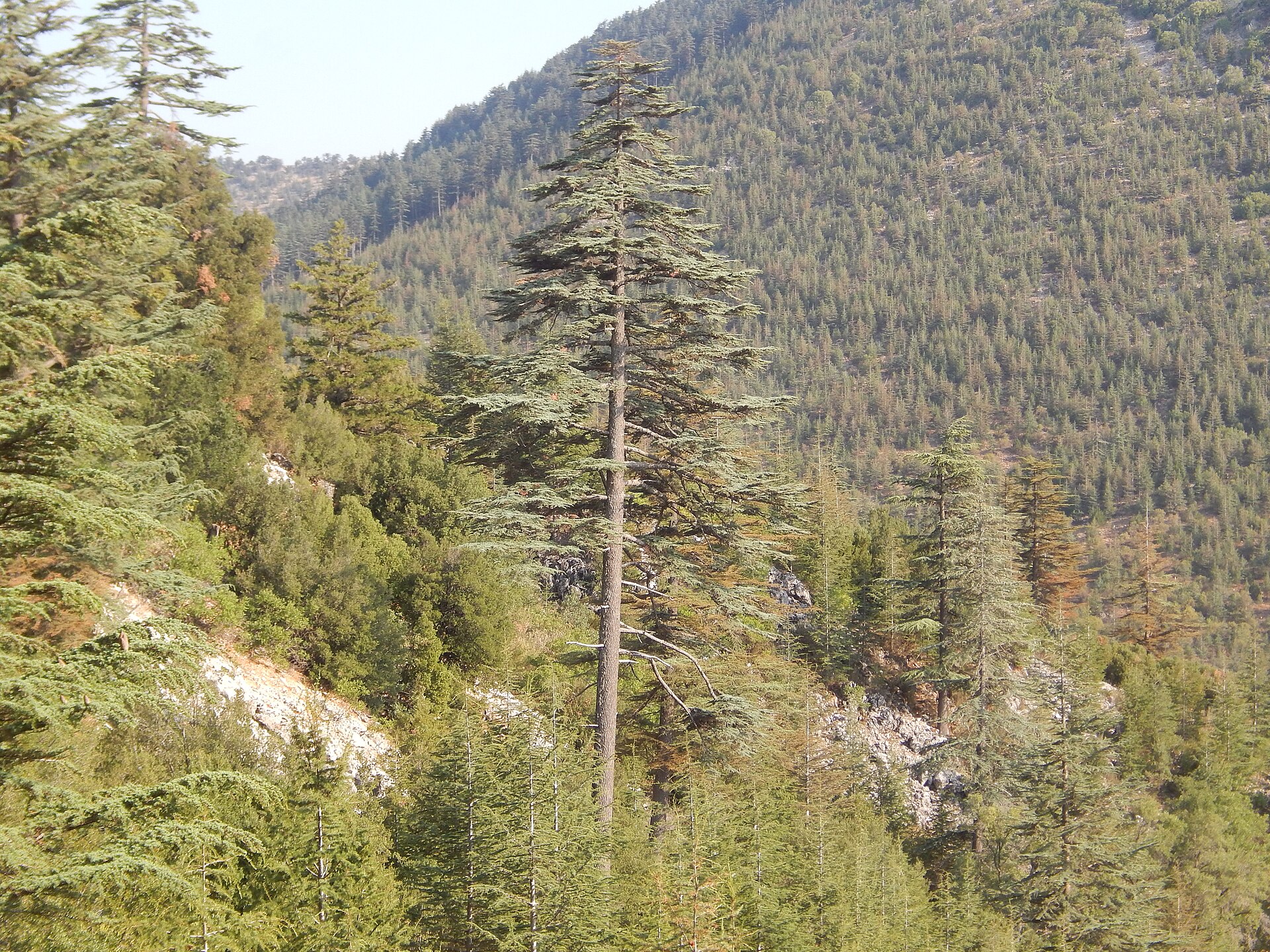
Wars and trade disputes should not be allowed to distract the world from its struggle to combat global warming, the leaders of Brazil and Turkey told the COP31 climate conference on Wednesday, as world leaders gathered in Antalya for the summit's leaders' segment on the third day of the annual United Nations talks.
The comments came at the start of back-to-back speeches by world leaders, which are meant to pave the way for negotiators to reach a fresh deal to advance the international fight against climate change. Delegates from nearly 200 countries are meeting in the Mediterranean resort city of Antalya as global greenhouse gas emissions show little sign of falling and wars, inflation and other crises compete for political attention.
United Nations Secretary-General Antonio Guterres told world leaders earlier in the day that the slow international response to climate change so far had placed the world on a path to destruction and that swift action was needed to avert it. His warning set the tone for a leaders' segment that runs Wednesday and Thursday, with around 100 leaders from 95 countries expected to speak, according to the summit schedule.
Wednesday's speakers are scheduled to include Brazilian President Luiz Inacio Lula da Silva, who was re-elected at the end of October and whose country hosted last year's climate talks, European Commission President Ursula von der Leyen, Chinese Vice-President Han Zheng and Marshall Islands President Hilda Heine, among scores of others. The rapid-fire speeches are an opportunity for leaders to make announcements and explain how they will implement their climate pledges, with implementation the key word in Antalya.
Negotiators at COP31 are seeking agreement on a proposal from Turkey to increase the share of electricity in global energy use and revive stalled efforts to move away from fossil fuels. The proposal targets a rise in electricity's share of total global energy consumption to 35 percent by 2035, up from a little over a fifth now, theoretically reducing greenhouse gas emissions from cars, factories and buildings as they switch to electric power.
The electrification goal is the host presidency's flagship proposal, but it is not without its critics. The target does not by itself mandate clean power, and a world that electrifies with coal-fired electricity would not cut emissions. The unresolved question of fossil fuels, which derailed agreement at previous summits, remains the biggest obstacle to a deal in Antalya, and negotiators will spend the next nine days wrestling with it.
The United States, the world's largest historical emitter of greenhouse gases, has skipped the talks for the second year in a row after President Donald Trump, who has called global warming a hoax, withdrew the United States from climate cooperation following his return to office in 2025. The American absence leaves a hole in the negotiations, both in money and in political weight, and other countries have had to decide whether to press ahead without the world's largest economy at the table.
The summit is being held under an unusual co-presidency arrangement agreed at COP30. Turkey's Environment Minister Murat Kurum holds the presidency, while Australia's Climate Change and Energy Minister Chris Bowen oversees the negotiations. The arrangement was designed to bridge the divide between the countries that host the talks and the countries that do the negotiating, and it will be tested in the coming days as the hard bargaining begins.
Wednesday is also themed as Zero Waste day at the conference, with a leaders' roundtable on zero waste, circularity and methane. The thematic days are meant to keep the focus on practical action alongside the formal negotiations, and the roundtable format gives leaders a chance to discuss specific policies rather than deliver set-piece speeches.
The speeches end on Thursday, but the climate clock keeps ticking. The conference runs until November 20, and the real test will come in the second week, when negotiators must turn the leaders' promises into an agreed text. For now, the message from Antalya is that the world is still talking, even if the two largest historical emitters are pulling in opposite directions.
Reporting: The Business Standard
Spot an error? Orbit News corrects articles promptly and notes the correction in the article. See our Editorial Policy, or flag an error by messaging us on Facebook, X, or Instagram.