World
Eisenkot Pledges to Reverse Netanyahu's Policies as Israel's New Parliament Is Sworn In
As the new Knesset was sworn in, the former army chief tasked with forming a government vowed to reverse Netanyahu's policies and moved to install his own speaker.
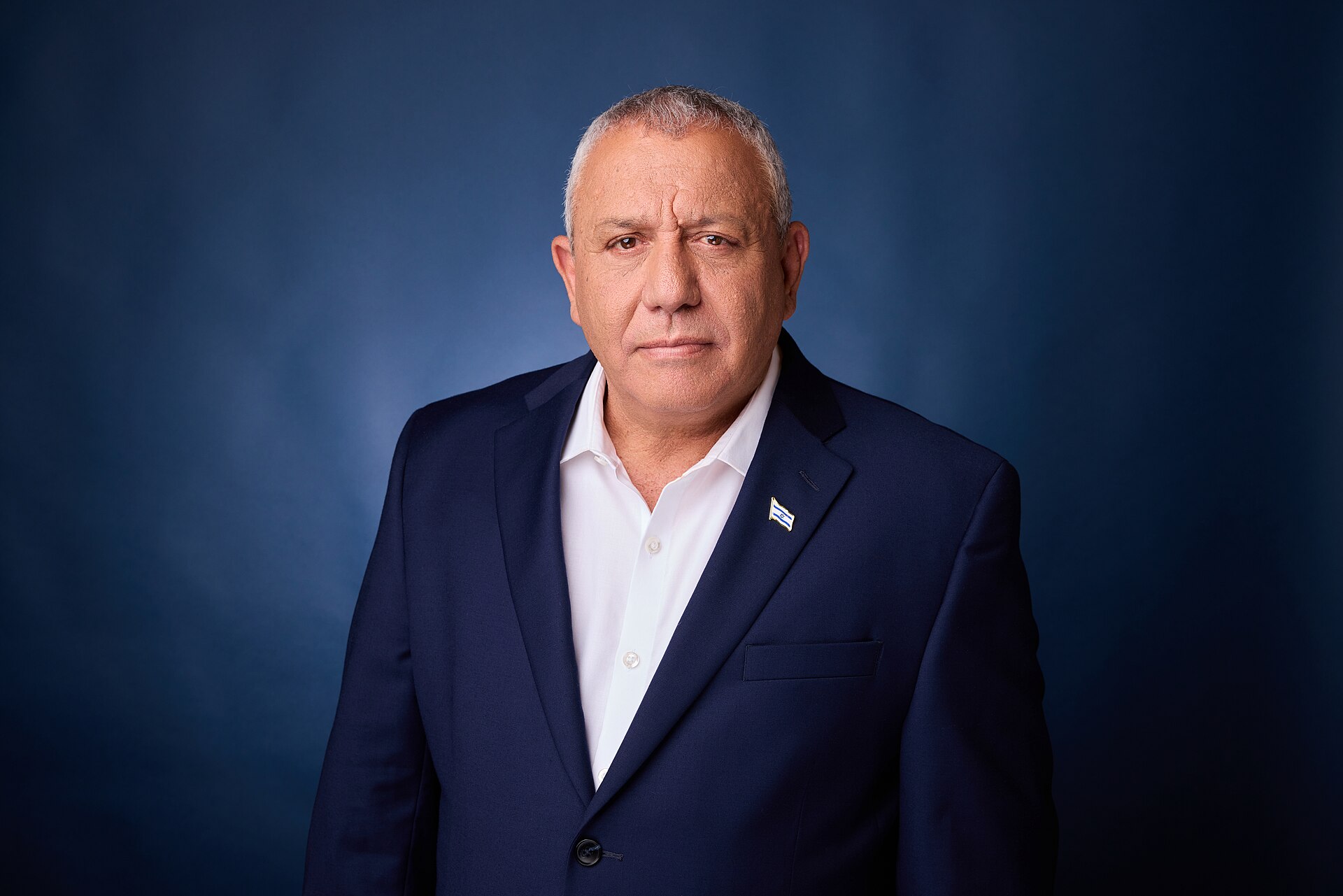
Gadi Eisenkot, the politician tasked with forming a new Israeli government, pledged on Tuesday to reverse many of Prime Minister Benjamin Netanyahu's policies as the country's new parliament was sworn in, setting the stage for a consequential month of legislative action and coalition negotiations that could end the tenure of Israel's longest-serving prime minister.
The 120 lawmakers elected in the October 27 vote took their oaths of office in the 26th Knesset, nearly half of them serving for the first time. Israel's newly elected parliament was sworn in without a new government, after a deadlocked general election stripped Netanyahu of his parliamentary majority but left his main rivals with no clear path to power either.
President Isaac Herzog tasked Eisenkot, a former army chief and head of the centrist Yashar party, with forming a government on Sunday after he received more recommendations from Knesset members than the outgoing caretaker prime minister. Eisenkot secured the backing of 67 members of the Knesset, compared with 46 for Netanyahu, and he has 28 days to form a government, until December 6, with the possibility of a two-week extension to December 20.
The arithmetic is unforgiving. Neither major political bloc secured the 61 seats needed for a parliamentary majority. Netanyahu's bloc won 53 seats, while Eisenkot's four-party bloc secured 48. Arab-led alliances won a combined 19 seats following high voter turnout, with the Joint List securing 11 seats and the United Arab List winning eight, their strongest showing to date. Eisenkot's path to 61 runs through those Arab-led parties, or through defectors from Netanyahu's bloc, and three of the parties in his own bloc have opposed including the Arab parties in a coalition.
Eisenkot has called for a 'national emergency government' and outlined four principles that parties and lawmakers must accept to join his proposed coalition. They include recognising Israel as a Jewish and democratic state, accepting the values set out in the Declaration of Independence, supporting mandatory military, national or civilian service for all citizens, including currently exempt communities, and recognising Hamas as a terrorist organisation while committing to dismantling its military and governing capabilities.
Netanyahu warned lawmakers against joining a coalition led by Eisenkot that would rely on Arab-led parties, while calling for a national unity government to address external security threats. On the day of the swearing-in, he proposed a unity government and tied the offer to the confrontation with Iran, telling ultra-Orthodox lawmakers that a narrow Eisenkot-led government 'must not be formed.' Eisenkot rejected the offer the same afternoon, saying 'we must act urgently to establish a national emergency government.'
While the coalition talks continue, the new Knesset can enact legislation in the meantime, and Netanyahu's opponents now control a solid majority in parliament. Eisenkot's bloc introduced a series of bills at the start of the legislative session that target Netanyahu and his policies, and it triggered a process on Tuesday to install a new parliamentary speaker. The opposition nominated Matan Kahana, a senior member of Eisenkot's Yashar party, for the job, to replace Amir Ohana of Netanyahu's Likud. Sixty-seven lawmakers signed a request to remove Ohana, and the speaker has scheduled the vote on his replacement for Tuesday, November 17.
The opposition leaders met on Tuesday in the city of Herzliya, north of Tel Aviv, in their first joint meeting since the October 27 election. The meeting brought together Eisenkot, former Prime Minister Naftali Bennett, Yisrael Beytenu leader Avigdor Liberman, Yair Golan of the Democrats and Yair Lapid, who heads the Yesh Atid party. In a joint statement, the leaders said all their parties would recommend Eisenkot to Herzog and that negotiating teams would immediately begin drafting policy guidelines and coalition agreements.
Netanyahu will remain caretaker prime minister during the negotiations, which could take anywhere from several days to months. He has ruled out a coalition with the Arab-majority lists, alleging they 'support terrorism and deny the existence of the Jewish state,' while the Joint List mocked him on Tuesday, describing him as being in 'total hysteria' after he failed to receive the mandate to form a government.
If both Eisenkot and Netanyahu fail to form a government, another election could follow, a prospect nobody in Israeli politics wants after an election that already produced a deadlocked parliament. Eisenkot said on Monday that his bloc would 'sit, talk and explore every way to significantly expand the coalition,' and that the aim was to secure the broadest possible national agreement during complex times. Whether he can bridge the divides inside his own bloc, and with the Arab-led parties whose support he needs, will decide whether Israel gets a new government or another trip to the polls.
Reporting: Associated Press
Spot an error? Orbit News corrects articles promptly and notes the correction in the article. See our Editorial Policy, or flag an error by messaging us on Facebook, X, or Instagram.