Politics
Van Hollen Calls Senate Leadership Race 'Wide Open' as Schumer Counts Votes Ahead of December 1 Showdown
In the first contested Senate Democratic leadership race since 1994, Chris Van Hollen is turning Chuck Schumer's 2015 opposition to the Iran nuclear deal into a weapon — while Schumer insists he already has the votes to stay on as majority leader.
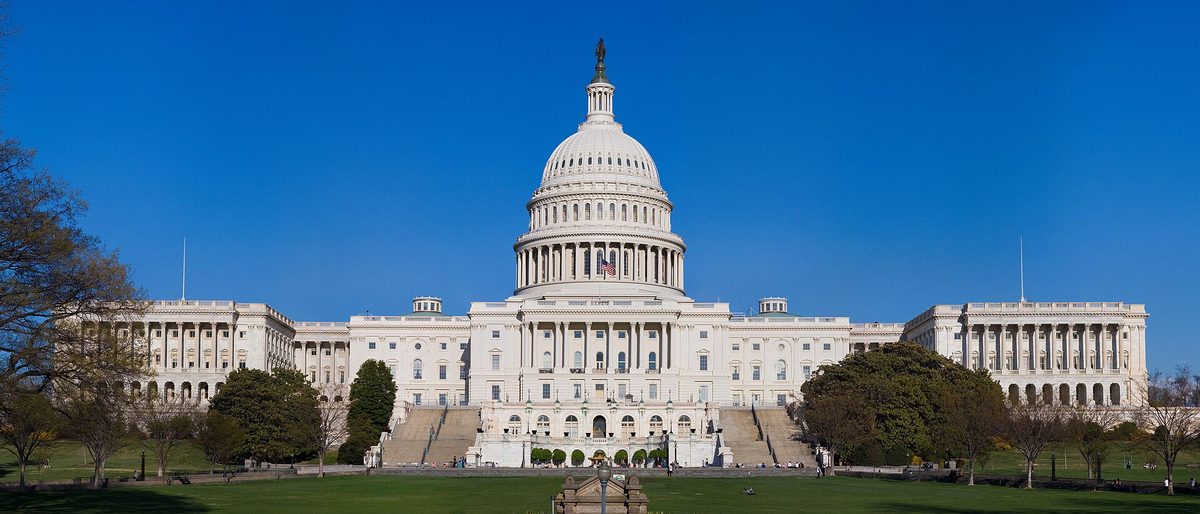
Chuck Schumer led Senate Democrats through November's midterm elections to a decisive 56-seat majority. Now, less than three weeks later, the New York senator is fighting to keep his job as the party's leader, facing the first contested Senate Democratic leadership race since 1994 and a challenger who says the victory itself proves the caucus needs to change.
The challenge comes from Sen. Chris Van Hollen of Maryland, 67, who announced his bid on Nov. 12, nine days after Democrats won control of the Senate. The caucus will choose its leader by secret ballot on Dec. 1, and a candidate needs 28 votes to win. As of this weekend, at least 16 Democrats have publicly committed to backing Schumer, while six have said they will vote for Van Hollen, according to Reuters, with 34 senators still undeclared on The Hill's whip list.
Van Hollen has run an increasingly public campaign, arguing that the midterm results show voters demanding a break with the status quo. 'I'm in this to win it,' he said on Thursday. 'That's my goal. I think if we want to move forward on an ambitious agenda like this, we need new leadership. We need to change the culture of the Democratic caucus. People need to have more input. Our new members need to be at the table.'
In the newest line of attack, Van Hollen is weaponizing Schumer's opposition to the Obama-era Iran nuclear deal. He hailed the agreement as a 'major initiative' by former President Barack Obama that was 'essential' to prevent Iran from getting a nuclear weapon, and cast himself as the more consistent opponent of President Trump, who scrapped the deal in 2018. 'In this moment, where the Iran war is front and center, I think it's really important that we have someone who's been consistent in working to get a negotiated solution to ensuring that Iran doesn't get a nuclear weapon,' Van Hollen told the New York Post.
The history is awkward for Schumer. Back in 2015, he stalled for weeks over Obama's six-nation Iran agreement before announcing his opposition after what he called 'considerable soul-searching.' He argued that the deal's nuclear inspections were not strong enough, that it would be too cumbersome to reimpose rolled-back sanctions, and that Iran would use $50 billion in sanctions relief to pursue what he called its 'nefarious goals' and nuclear ambitions. His announcement came hours after fellow New York Democrat Kirsten Gillibrand declared her support for the agreement.
Van Hollen declined to say whether Schumer had undermined Obama's signature foreign-policy initiative, noting only, 'I was in the House.' Schumer's defenders argue the opposite — that his break with Obama showed political independence. 'It took some guts on his part to go against Obama on that,' said former Rep. Pete King, a New York Republican who also opposed the deal. Sen. Richard Durbin of Illinois, while backing Schumer, acknowledged the race is real: 'He's a great vote counter. I'll give him certainly the commanding edge at this point, but I don't want to presume anything.'
The leadership fight is also a proxy for the party's direction. Critics say Schumer's decades in Washington, his age — he turns 76 on Monday — and his close ties to the party establishment make him ill-suited to lead a caucus increasingly shaped by younger, anti-establishment lawmakers. The populist Working Families Party wrote to Schumer on Nov. 13 urging a generational change, telling him that stepping aside 'at the height of a victory you helped secure' would show voters the party 'heeded their call for change.'
Van Hollen has also faulted Schumer for aligning with powerful pro-Israel and cryptocurrency interests and for backing primary opponents of two incoming senators, including Michigan Sen.-elect Abdul El-Sayed, who now supports Van Hollen's bid. El-Sayed said Van Hollen stands out because he understands how Washington works — he previously chaired both the House and Senate Democrats' campaign arms — and is willing to take risks, pointing to his trips to advocate for a wrongly deported migrant and to draw attention to Israel's war in Gaza.
Schumer, who has led the caucus since 2017, is not sweating the showdown in public. 'I will be elected majority leader,' he told reporters last week. 'I am confident I have the votes.' His allies note that he just delivered a nine-seat Senate gain, flipping seats in several states Trump won by double digits in 2024, and that many incoming freshmen who campaigned against him may still vote for him in a secret ballot. Sen.-elect Troy Jackson of Maine captured the ambivalence: 'Do I like Chuck Schumer? He's been great, but I do think it's time for new ideas.'
The stakes extend beyond Dec. 1. Schumer is up for reelection in 2028, and losing the leadership race could make him a more vulnerable target, with ambitious Democrats such as Rep. Alexandria Ocasio-Cortez considering a run for his seat. For now, though, the only unresolved role among Congress's top four positions is his: House Democrats nominated Hakeem Jeffries for speaker last week, John Thune will continue to lead Senate Republicans, and Rep. Jim Jordan will succeed Speaker Mike Johnson as the top House Republican. Whoever wins on Dec. 1 will lead a 56-44 Democratic Senate majority into a confrontation with a president who has made clear he intends to fight the new Congress at every turn.
Why it matters: This race is the first real test of what the Democrats' midterm sweep actually changed. Schumer delivered the majority, but the voters who delivered it also delivered a message about the party's old guard — his favorable rating is just 22 percent in an Economist/YouGov poll this week, against 50 percent unfavorable. Van Hollen's bet is that a secret ballot frees senators to vote the frustration they will not voice in public, and that the Iran war, which will dominate the new Congress's first months, makes Schumer's 2015 break with Obama newly relevant. If Schumer holds on, the margin will tell its own story about how much of his caucus still trusts him.
Reporting: Reuters · New York Post
Spot an error? Orbit News corrects articles promptly and notes the correction in the article. See our Editorial Policy, or flag an error by messaging us on Facebook, X, or Instagram.
Related from Orbit News

Trump Says He Wants a 'Permanent' Deal to Keep Iran From a Nuclear Weapon as Talks Stall
Politics · Nov 22, 2026
Australia Rejects U.S. Budget Office Warning That Submarine Deal Would Shrink America's Fleet
Politics · Nov 22, 2026