Technology
Samsung and Google's Smart Glasses Open for Preorder Thursday, With Holiday Deliveries Promised
Warby Parker confirmed the November 12 preorder date for the first Android XR Intelligent Eyewear collection, built by Samsung and powered by Google's Gemini. The price is still a secret.
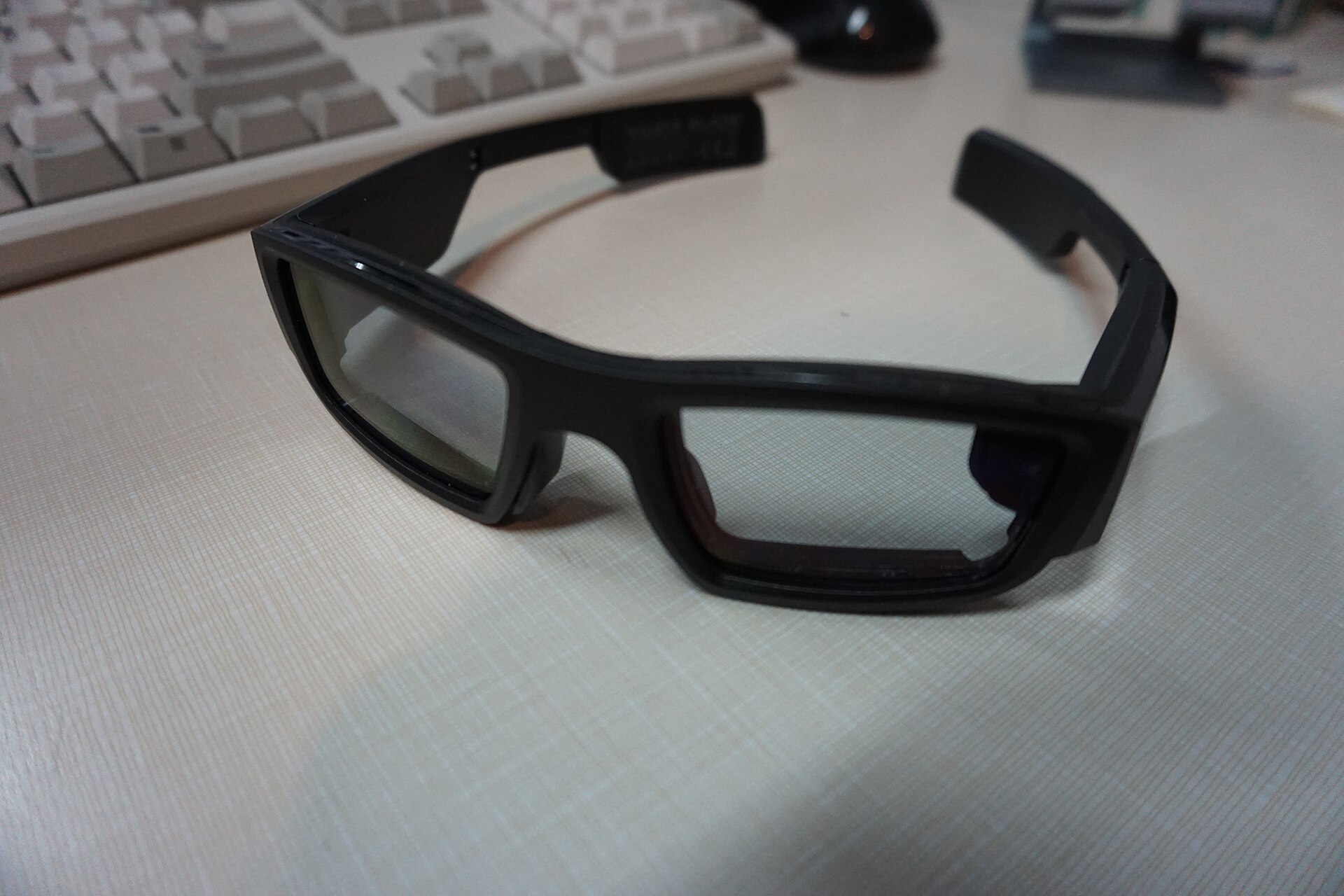
Preorders for Samsung and Google's first AI smart glasses will open on Thursday, November 12, Warby Parker confirmed last week, giving the long-teased Android XR eyewear its first firm date. The glasses are built by Samsung, run Google's Android XR platform with its Gemini assistant, and will be sold in frames designed by Warby Parker and Gentle Monster.
The date was announced by Warby Parker co-CEO Dave Gilboa on the company's third-quarter earnings call on November 5. 'One week from today, on November 12, we'll begin accepting pre-orders for our first Intelligent Eyewear collection and look forward to delivering customer orders during the holiday season,' Gilboa said. On the earnings call that followed, he tightened the delivery window to mid-December and said the full collection, pricing included, would be unveiled the same day preorders open.
Warby Parker's collection will launch with three frame styles — Alden, a rounded frame; Reid, a square frame; and Wren, a cateye-adjacent shape — in black, brown and green colorways. Preorders will be available through Warby Parker's website and all of its more than 350 retail locations across the United States. In-store demos start this week at 65 locations and expand to more than 360 stores the following week.
The glasses are display-free audio and camera glasses, not the augmented-reality visors of science fiction. They run on Qualcomm's Snapdragon AR1 Gen 1, the same processor that powers Ray-Ban Meta glasses, and pack a 12-megapixel camera, open-ear audio and Google's Gemini AI for live translation, navigation audio prompts, notification summaries and AI-assisted photo processing. They pair with both Android phones and iPhones, and are rated for up to nine hours of use on a charge, plus up to seven additional full charges from the charging case.
What buyers still do not know is the price. Nobody who will sell these glasses has named one — not Samsung, not Google, and not either eyewear brand. Warby Parker has held the number back deliberately, saying it will be revealed when preorders open. The company's own regular frames start at $95, so the smart pair will sit somewhere above a line its customers know well, but how far above remains the biggest open question.
The launch is the second act for Google's Android XR platform. The first was the Galaxy XR headset, a $1,799 mixed-reality visor that shipped last fall and proved the system works. The glasses run the same system in a frame that can be worn to lunch, and Google says a second class of Android XR eyewear with a display built into the lens is in development on its own track, with no date attached.
The initial rollout is expected to focus on the United States and South Korea, with sales reported to start in mid-December in both markets and availability elsewhere potentially following in 2027. Gentle Monster, the Korean eyewear brand designing the other half of the collection, has not named a preorder day of its own, and Samsung itself has not published a date — leaving the retail partner to carry the biggest date in the product's life.
The timing matters because the smart glasses market is suddenly crowded. Meta's Ray-Ban glasses have become a genuine consumer hit, and Samsung and Google have spent more than a year previewing their answer at events without putting a product on sale. The November 12 date finally turns a stage demo into something people can buy before Christmas, and the holiday season will be the first real test of whether the Android XR answer can compete.
For now, the glasses remain a promise with a date attached. The spec sheet is incomplete, the battery life and camera resolution are partly unpublished, and the price is unknown. On Thursday, all of that changes at once — and the industry will find out whether Samsung and Google's first pair of smart glasses is a product, or just another demo with a preorder button.
Reporting: Hypebeast
Spot an error? Orbit News corrects articles promptly and notes the correction in the article. See our Editorial Policy, or flag an error by messaging us on Facebook, X, or Instagram.
Related from Orbit News
Apple's New CEO Is Pressing Its Software Chief to Speed Up AI — Starting With a Smarter Siri
Technology · Nov 9, 2026
Tesla Is Winding Down Cybertruck Production, and Musk Says It Will Have to Refund a Lot of Deposits
Technology · Nov 9, 2026