Business
Oil Slips as IEA Sees a Supply Surplus, Even as Hormuz Attacks Continue
Brent eased to about $95 a barrel on Monday after the International Energy Agency said the world oil market returns to surplus this quarter, with shipments through the Strait of Hormuz nearly back to pre-war levels.
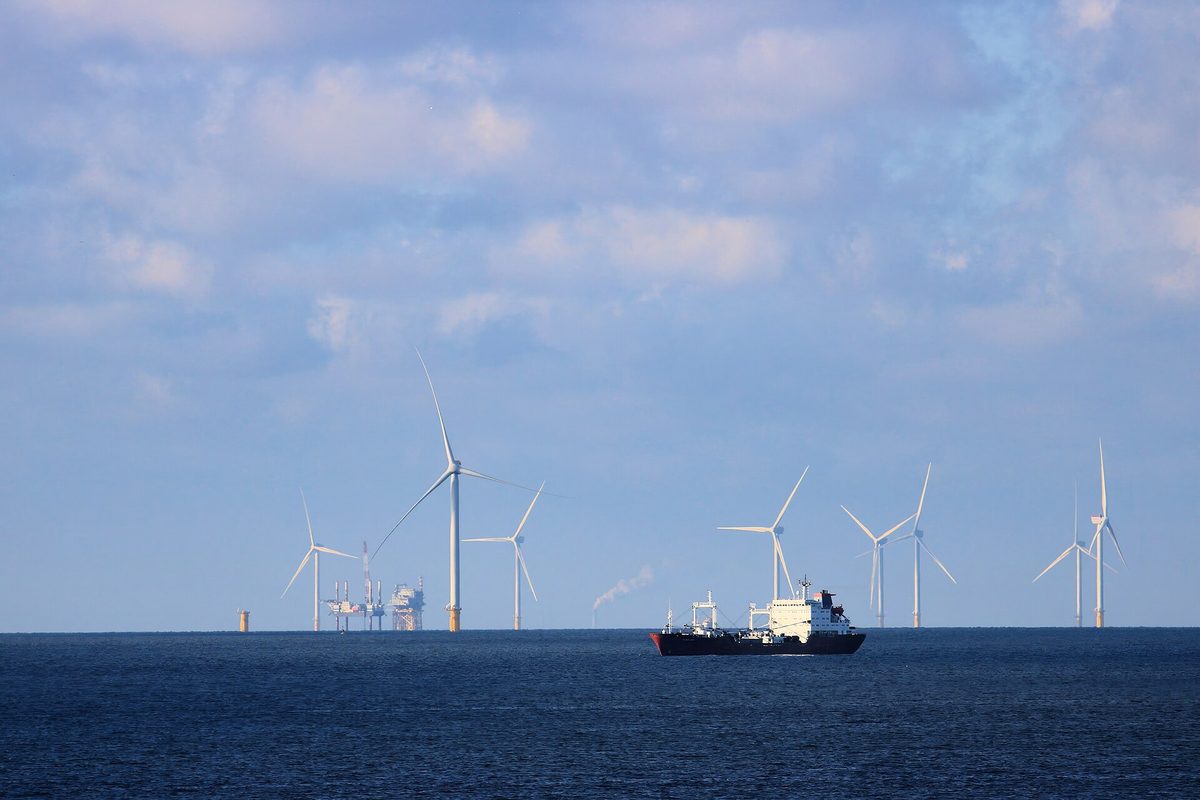
Oil prices fell on Monday on expectations of a coming supply surplus, as shipments from the Middle East through the Strait of Hormuz were nearly restored to pre-war levels and the International Energy Agency said the world market would return to surplus in the fourth quarter. Brent futures were down 69 cents, or 0.7%, to $95.15 a barrel by 0919 GMT, while United States West Texas Intermediate crude fell 37 cents, or 0.4%, to $88.19.
The IEA said on Friday that the world oil market will return to surplus in the fourth quarter of this year, as Middle East exports recover faster than global demand despite continued attacks on shipping. The agency forecast that global oil supply would average around 105 million barrels per day in the fourth quarter, exceeding demand by about 1.7 million barrels per day. It also said global oil production rose by about 2.3 million barrels per day in October to 105.4 million barrels per day.
The surplus call marks a turn in the market's thinking. For the first time since the United States-Israeli war against Iran began, now in its ninth month, the market is genuinely considering the possibility of a supply glut, according to Tim Waterer, chief market analyst at KCM Trade.
The attacks have not stopped. On Sunday night, Iran's navy said that an oil tanker caught fire after striking a naval mine east of the Strait of Hormuz, state media reported. Iran's Revolutionary Guards said on Monday that two oil tankers struck mines in the Strait of Hormuz, and that six tankers had caught fire in similar incidents since Sunday. Reuters could not independently verify the report.
The conflict also reached beyond the waterway over the weekend. Iran's Revolutionary Guards said on Sunday they had launched six drones at a United States air-defence radar at the al-Riffa helicopter base in Bahrain, the second such attack in three days; Bahrain's military said its air defences intercepted the drones. The attacks were the first Iranian strikes on a Gulf state since September. Separately, the United Kingdom Maritime Trade Operations agency said Indian shipping authorities had reported an attack on a tanker in the Gulf. The vessel's crew members were reported safe, but the extent of the damage was not immediately known.
The market's muted reaction to those incidents says something about where the balance of risk now sits. Tanker freight rates remain high amid the security concerns and the need for many vessels to take part in ship-to-ship transfers to move cargo out of the Gulf region, which has reduced the available vessel supply. But shipments through the Strait of Hormuz are nearing their pre-conflict levels, and the United States has taken steps to support moving fuel cargoes between domestic ports, easing the pressure on supply chains.
The IEA's numbers explain the calm. With production at 105.4 million barrels a day in October and fourth-quarter supply set to exceed demand by 1.7 million barrels a day, the market has a cushion it did not have when the war began. That cushion is what allows traders to look past unverified mine claims and drone strikes that would have sent prices sharply higher a month ago.
The risks have not disappeared. Maritime security in the Gulf remains fragile, the tanker attacks are continuing, and any prolonged disruption to the strait — through which a large share of the world's seaborne oil moves — could still trigger fresh price movements. For now, though, the market's judgement is that supply is recovering faster than the conflict can disrupt it, and that judgement is what pulled Brent to about $95 a barrel on Monday.
Why it matters: This is a sequential update on a story Orbit covered on November 14, when oil held near $95 on Hormuz attacks: the new development is the IEA's Friday report, which puts a number on the surplus — 1.7 million barrels a day — and the Monday price action that followed it. It matters because it marks a shift in the war's economics: for nine months, the fear was that the conflict would choke off supply; now the agency that tracks the market says supply is recovering faster than demand, and traders are starting to believe it. The attacks continue, and the strait remains the market's biggest single risk, but the surplus gives the world a cushion it did not have.
Reporting: Northland News Radio · Stockbiz · Rigzone
Spot an error? Orbit News corrects articles promptly and notes the correction in the article. See our Editorial Policy, or flag an error by messaging us on Facebook, X, or Instagram.
Related from Orbit News

Taiwan Stocks Plunge 6% as Nvidia Turmoil Sends Asia's Chip Shares Tumbling
Business · Nov 16, 2026
Bitcoin Posts Sixth Straight Weekly Loss After Sliding to $62,006 Over the Weekend
Business · Nov 16, 2026