Business
Bitcoin Posts Sixth Straight Weekly Loss After Sliding to $62,006 Over the Weekend
The cryptocurrency fell to its lowest since July before recovering to about $64,200 on Monday, as a seventh straight day of ETF outflows and a fully priced December rate hike kept sellers in control.
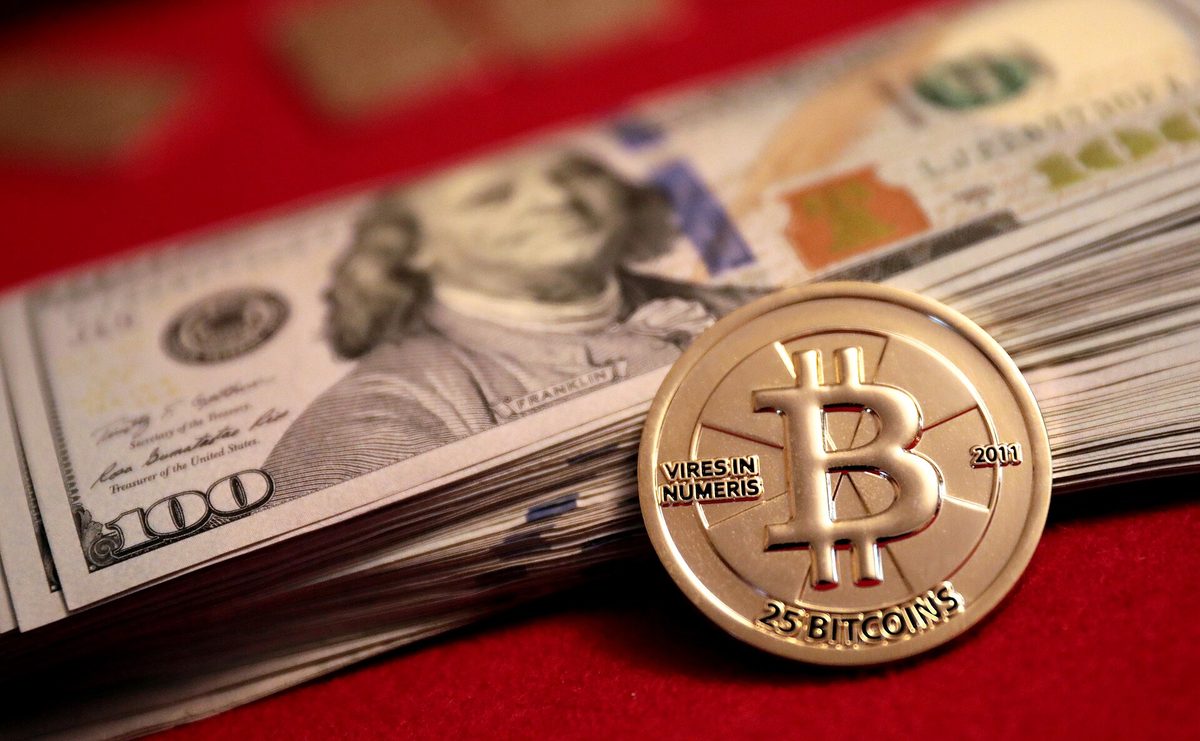
Bitcoin fell to $62,006 on Saturday night, its lowest since July, then recovered to around $64,200 on Monday morning, capping a sixth consecutive weekly loss as tighter financial conditions and heavy fund outflows kept the cryptocurrency under pressure.
The weekend low came on Saturday night, when bitcoin fell to $62,006 on Binance at around 8 p.m. Eastern time. That low sat about 9.4% below bitcoin's Friday 5 p.m. price of $68,398, and about 13% below its Thursday-evening high near $71,500, by Unchained's calculation from Binance hourly data. After a quick rebound, it traded between roughly $63,800 and $66,100 on Binance, well under the $70,000 mark it broke below late on Thursday.
The weekly loss is the sixth in a row, the longest streak since late February, according to CoinDesk, with November's decline near 17%. The drop has been accompanied by a steady exodus from the funds that track the cryptocurrency: United States spot bitcoin exchange-traded funds recorded net outflows for a seventh consecutive trading day on Friday, according to SoSoValue data. Friday's outflow was $185.5 million, led by $143.5 million from BlackRock's iShares Bitcoin Trust, and by Unchained's tally the funds have shed about $1.9 billion from November 5 through November 13.
The slide came after a week of firmer United States inflation readings. The October consumer price index rose 0.4% and core prices 0.3%, each a tenth of a point above forecasts. The 10-year Treasury yield finished Friday at 5.15%, up from 4.88% on November 9. The Federal Reserve raised rates to a 3.75% to 4% range on September 16 and decides again on December 9, and the market now prices a further hike as the base case: contracts on prediction market Kalshi on the range's upper bound ending above 4% traded at 96 to 97 cents on Monday morning, and CME Group-listed fed funds futures implied an average December rate near 4.07%, against 3.88% now for the effective federal funds rate.
Higher Treasury yields raise the cost of holding an asset that pays no income, and bitcoin has felt that pressure all month, a reminder that the cryptocurrency is trading as a risk asset rather than a refuge. James Butterfill, head of research at CoinShares, told Unchained on Friday that bitcoin was “caught in the broader reassessment of the AI and technology trade, compounded by hotter inflation and expectations of further Federal Reserve tightening.”
The selling has been violent at times. Unchained's Friday report cited CoinGlass figures showing about $1.65 billion in positions liquidated in the 24 hours before Friday morning, 88.9% of it from bets on higher prices. Crypto-linked stocks have suffered with the token: Strategy, formerly known as MicroStrategy, was recently off 8% in premarket trading on Monday, and shares of Coinbase, Circle and Robinhood were also dropping, according to Investopedia.
Some traders are looking for a reason beyond rates and yields. Binance co-founder Changpeng Zhao, in a post on X on Sunday asking why crypto prices are down, listed money moving toward Anthropic's planned initial public offering among several potential reasons, prefacing the list with: “No one knows for sure. Correlation does not prove causation.” Strive chief executive Matt Cole had compared bitcoin's slide ahead of Anthropic's planned listing with its 19% drop in the 50 days before SpaceX's June IPO, writing that if Anthropic follows the same pattern, “most of the drawdown is behind us, and it could reverse quickly over the next couple of months”.
CoinShares had expected bitcoin to trade broadly between $70,000 and $90,000 into 2027, Butterfill told Unchained before the weekend leg lower, but added that “we should not assume” the $70,000 lower end “represents a hard floor.” The firm is watching inflation data, the Fed's path, fund flows, and oil prices and developments involving Iran for their effect on inflation.
For now, the technical picture is weak and the flow picture is worse: six straight weekly losses, seven straight days of ETF outflows, and a price that has given back almost all of its autumn gains. The next test comes from the same place as the last one — the Fed, which speaks on Monday through Chair Kevin Warsh and decides on rates on December 9 — and from Nvidia's earnings on Tuesday, which will show whether the AI trade that bitcoin has been tracking is stabilising or still falling.
Why it matters: This is a sequential update on a story Orbit covered on November 15, when bitcoin first crashed below $70,000: the new development is the weekend slide to $62,006, the sixth straight weekly loss, and the seventh straight day of ETF outflows — figures that only existed after the weekend. It matters because the same forces hitting bitcoin are hitting everything else: a 10-year yield above 5%, a December rate hike now fully priced, and a reassessment of the AI trade that has driven markets for years. Bitcoin is the most sensitive asset to that reassessment, which is why it is falling first and fastest, and why its next move will say something about the rest of the market.
Reporting: Unchained · Investopedia · CoinDesk
Spot an error? Orbit News corrects articles promptly and notes the correction in the article. See our Editorial Policy, or flag an error by messaging us on Facebook, X, or Instagram.
Related from Orbit News

Taiwan Stocks Plunge 6% as Nvidia Turmoil Sends Asia's Chip Shares Tumbling
Business · Nov 16, 2026
Nvidia Reports Its First Results Without Huang on Tuesday. Kress Faces the Credibility Test.
Business · Nov 16, 2026