Technology
Nvidia Board Rules Out Huang Return as Kress Leads First Earnings Call
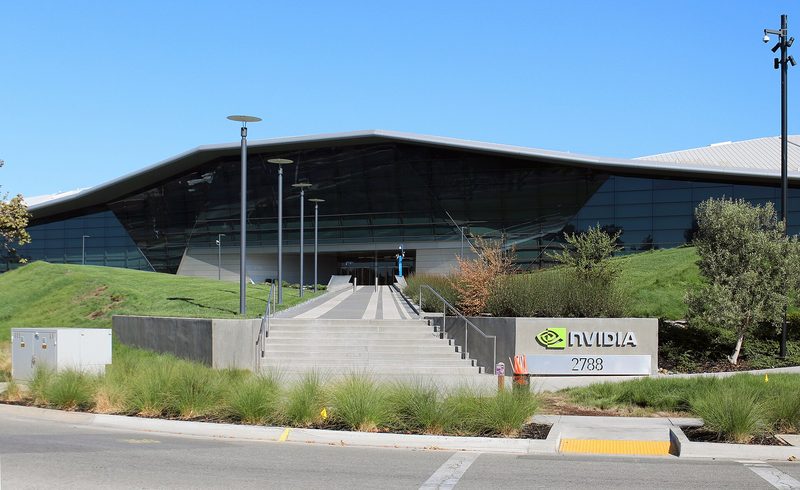
Nine days after Jensen Huang resigned, Nvidia's board has said it will not bring him back, leaving interim chief Colette Kress to steer the chipmaker through its biggest leadership test in decades.
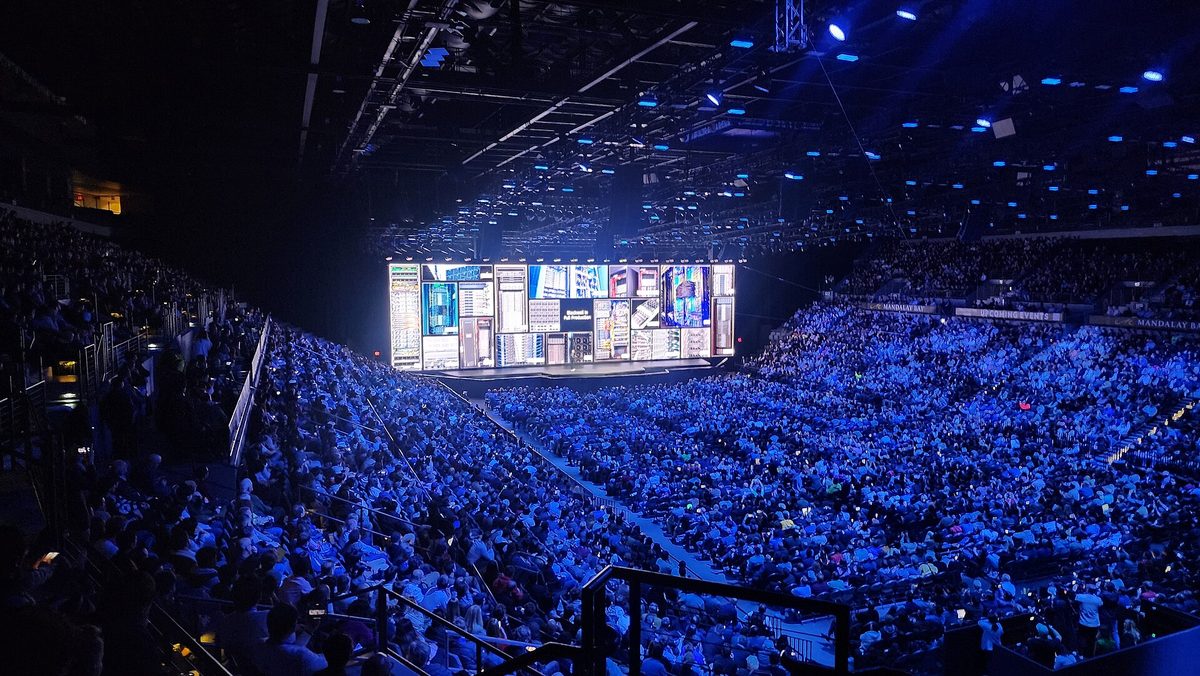
Nvidia's board has closed the door on Jensen Huang's return as chief executive, ending a week of speculation about whether the company's co-founder might be brought back after his sudden resignation. The decision was delivered on Nvidia's quarterly earnings call on November 17, when new board chair Harvey Jones told investors the directors had accepted Huang's resignation unanimously and had no intention of reinstating him.
Jones, a director since Nvidia's founding year of 1993 and now the company's first board chair, opened the call by disposing of the leadership question before turning to the numbers. According to a detailed account of the call, Huang had indicated that he would return as chief executive if the directors wanted him. Jones said they did not.
Colette Kress, the company's chief financial officer, took the call forward as interim chief executive, a role she holds alongside her finance job. Kress joined Nvidia in September 2013 and has been one of Huang's most senior lieutenants. The board has begun a search for a permanent successor and says it will consider internal and external candidates.
The numbers Kress reported were the strongest in the company's history, which made the occasion all the stranger. Nvidia earned $115.8 billion in revenue in a single quarter, including $107.6 billion from its data centre business, a figure that works out to about 93% of total revenue. The quarter closed on October 25, while Huang was still in charge, so Kress was reporting her predecessor's final quarter and answering for commitments that could run well into her successor's tenure.
The board's change of course was swift. On November 8, the directors announced an independent inquiry into reports that Huang had been targeted by a foreign intelligence effort, expressed confidence in him, and said they had no reason at that point to believe company secrets or national security had been compromised. On November 11, they accepted his resignation as president, chief executive and board member. Nvidia announced the change the next day, giving no reason in its statement.
Jones subsequently told investors that Huang had resigned following disclosure of personal conduct inconsistent with the company's standards. Huang had acknowledged infidelity in a message to employees on November 8, without naming anyone. What the directors learned between the expression of confidence on November 8 and the acceptance of the resignation on November 11 remains largely outside the public account.
The market has not waited for the full story. Nvidia's first earnings report since Huang's resignation failed to ease investor concerns about leadership and the durability of artificial intelligence spending, and the stock slipped behind Google parent Alphabet to become the fourth-most valuable American company. The stock was last down 3% on Friday and valued at $3.4 trillion, on course for a seventh straight weekly decline, its longest losing streak since 2008. Apple remained well ahead at $5.08 trillion, with Microsoft second at $3.72 trillion and Alphabet at $3.44 trillion, according to LSEG data.
Kress also inherits a set of heavy commitments made under Huang, including Nvidia's readiness to guarantee up to $105 billion to help build nine data centres in Ohio where OpenAI plans to run Nvidia chips. She told investors on the call that the company was proud of its role in supporting the AI industry but would be far more selective moving forward about financing deals in the sector, a shift that will be watched closely by customers and rivals alike.
What happens next turns on two questions the board has not yet answered: who will run Nvidia permanently, and whether customers start hedging their bets. OpenAI has already agreed to deploy six gigawatts of AMD graphics processors, giving it a second supplier to point to in its next negotiation. Until a permanent chief executive is named, every delivery delay and every financing decision will be read as a test of the new leadership.
Why it matters: This matters because Nvidia is the linchpin of the artificial intelligence boom, and its leadership is now an open question rather than a settled fact. A record quarter shows the business Huang built is still growing at an extraordinary pace, but the board's refusal to reinstate him means the company must prove it can keep that pace without the founder who embodied it. The slide in the share price, the loss of the number-three valuation ranking, and the scrutiny from regulators all raise the stakes for Kress and for whoever succeeds her permanently. The next real signal will be a name, not a leak.
Reporting: Dataquest · Reuters
Spot an error? Orbit News corrects articles promptly and notes the correction in the article. See our Editorial Policy, or flag an error by messaging us on Facebook, X, or Instagram.