Technology
California Subpoenas Nvidia in Probe of China Chips and Investor Disclosures
Attorney General Rob Bonta is investigating whether Nvidia's advanced chips or confidential information reached China, and whether the company misled investors about the risk.
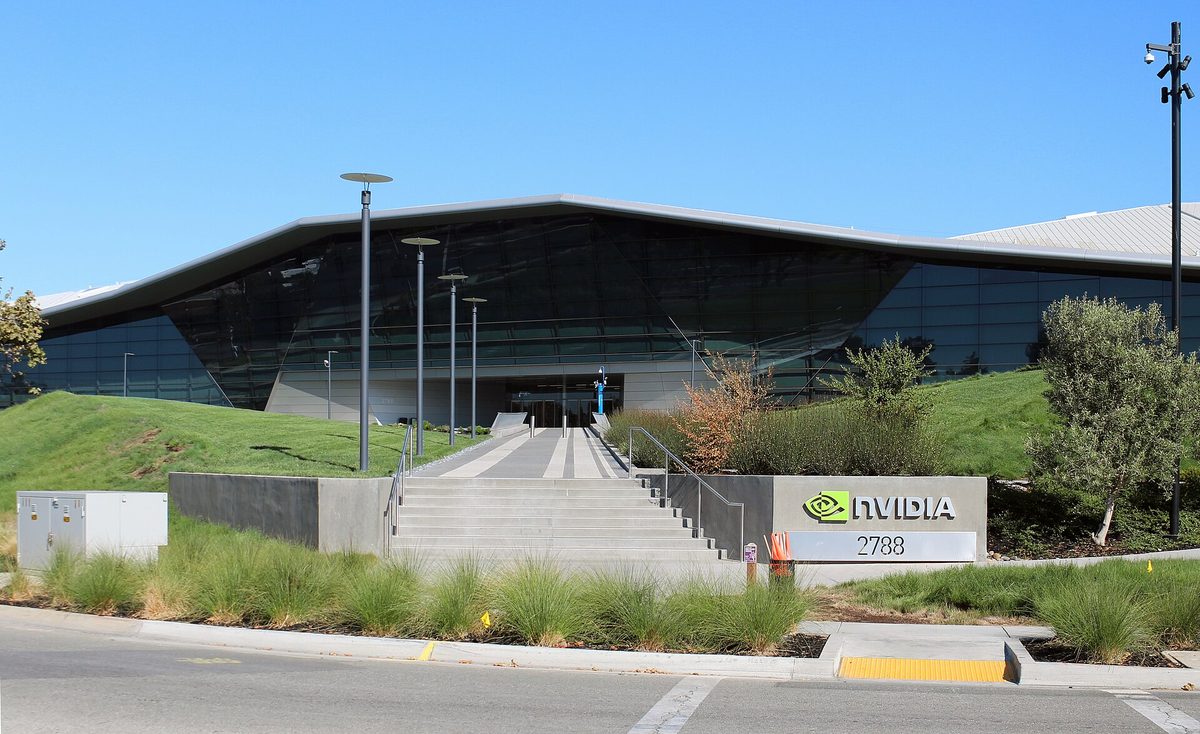
California's attorney general has issued an investigative subpoena to Nvidia, opening a state probe into whether the chipmaker's advanced processors or confidential information reached China, and whether the company misled investors and the public about that risk. Attorney General Rob Bonta announced the subpoena on Thursday, November 19, just a week after former chief executive Jensen Huang resigned.
Bonta said his office is investigating the conduct of Nvidia and its former chief executive following reports of Huang's affair with a woman the United States government believes is a Chinese spy. The state wants to know whether Nvidia's powerful graphics processors, or any confidential information, were shared with China, and whether the company misled investors about the danger.
"My office is investigating whether Nvidia or Jensen Huang's actions resulted in China obtaining advanced chips or confidential information — and if Nvidia misled investors and the public about this risk, in violation of the law," Bonta said in a statement. He added that the conduct of Nvidia and its former chief executive "raises bright red flags, including about the ways in which the company may have misled investors."
An investigative subpoena is a demand for documents and information, not a charge and not a finding that any law was broken. It is the opening step of an inquiry, and Bonta's office said the probe will help determine whether Nvidia's actions violated California law. Nvidia, which is based in Santa Clara, California, did not immediately respond to requests for comment.
Bonta told Politico that further subpoenas might follow depending on what his office learns from Nvidia. "We expect cooperation," he said. "Doesn't mean they will, but unless and until they don't comply, I expect compliance." The remark signals that the attorney general expects the company to hand over material voluntarily rather than fight the demand in court.
The probe lands in the middle of a pile-up of scrutiny for Nvidia. The Wall Street Journal reported earlier in the week that the Securities and Exchange Commission was probing the company, and Reuters reported on November 20 that SEC enforcement staff are examining potential accounting issues, citing two people briefed on the matter. The Justice Department has also been reviewing Nvidia's $12.9 billion deal to buy the open-source platform Hugging Face as part of a broader antitrust look at the company's acquisitions.
Congress is moving in parallel. Huang has agreed to testify before the Senate Banking Committee, its chairman Tim Scott said, and he is also due to face questioning from three House committees on December 1, alongside Nvidia general counsel Tim Teter. Democratic lawmakers have separately opened an inquiry into the Trump administration's handling of Nvidia chip sales to China, asking the Commerce Department to preserve records about an arrangement they described as questionable.
The episode has its roots in the investigation of Megaspeed, a Singapore-based company whose former chief executive, Alice Huang, is the woman U.S. officials suspect of working for Chinese intelligence. She is not related to Jensen Huang. U.S. authorities have been investigating Megaspeed since 2024 over possible violations of export controls related to alleged shipments of Nvidia AI chips to China, and the Justice and Commerce departments have said so publicly this week. Megaspeed has said Alice Huang left the company in August 2025 and that it conducted lawful business.
For Nvidia, the California probe adds a state enforcement risk to federal investigations and congressional hearings that were already under way. The company's chips sit at the centre of the artificial intelligence boom, and Washington has used export controls to keep its most advanced processors out of China over concerns they could strengthen Beijing's military. How much Nvidia knew about where its chips were going, and what it told investors about that risk, is now the question three separate sets of investigators are asking.
Why it matters: A state subpoena matters even though it is only an early step, because California is Nvidia's home state and Bonta is framing the case around investor protection, not just export controls. If the inquiry finds that Nvidia hid material risks from shareholders, the consequences could reach beyond fines into how the company discloses its China exposure, which is central to its valuation. The probe also shows how quickly a personal scandal at the top of a company can turn into a legal problem for the company itself: the affair is the trigger, but the investigation is about chips, information and disclosures. What Nvidia hands over, and whether more subpoenas follow, will set the tone for the months ahead.
Reporting: TechCrunch · New York Post
Spot an error? Orbit News corrects articles promptly and notes the correction in the article. See our Editorial Policy, or flag an error by messaging us on Facebook, X, or Instagram.