Politics
'Trump Has Cost Us': MAGA Asks If It Is Over After Midterm Rout
Days after voters handed Democrats both chambers of Congress, the movement that carried Donald Trump back to the White House is turning its anger on itself — and asking whether its moment has passed.
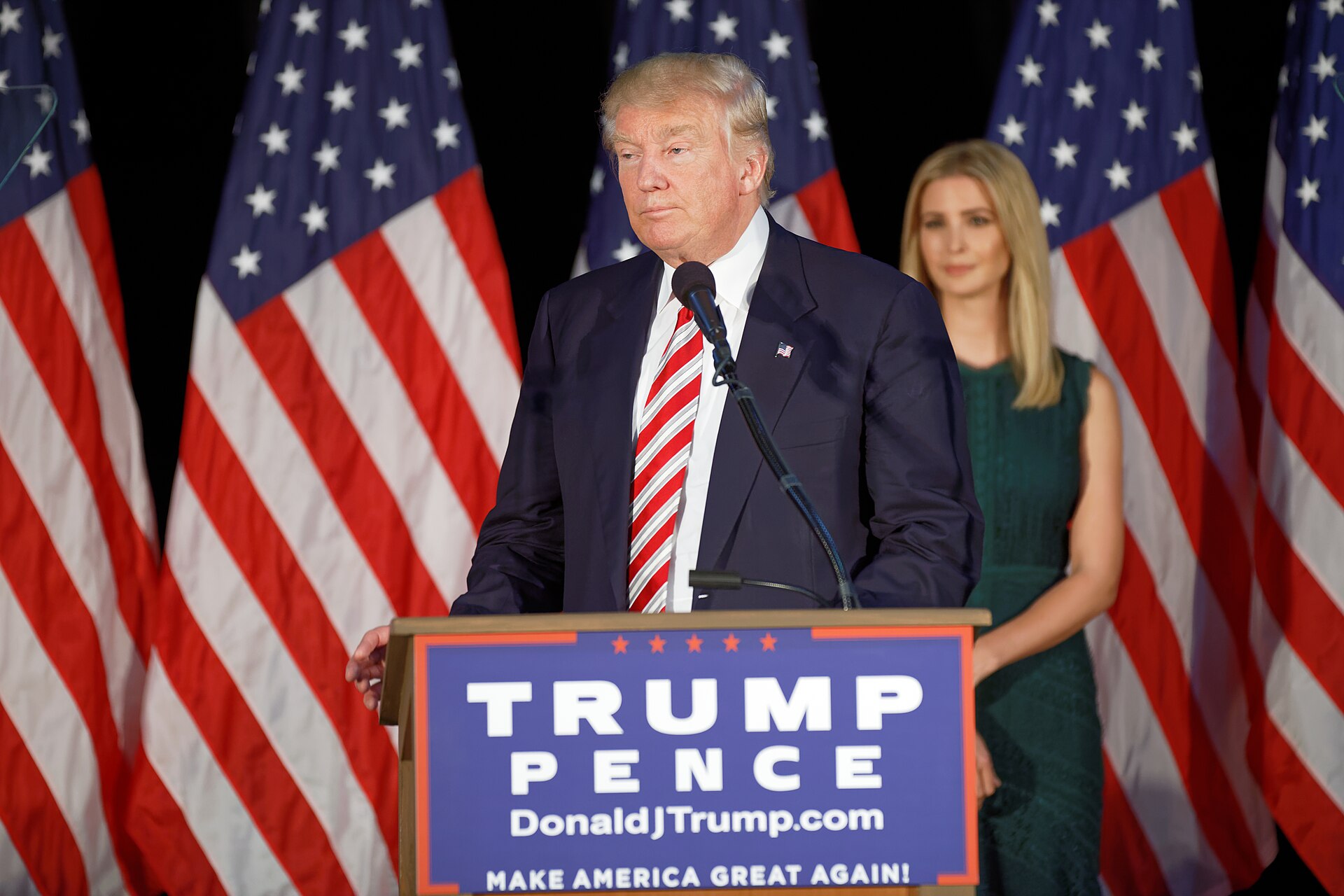
In a Dallas ballroom on Tuesday night, supporters of the Make America Great Again movement had gathered to toast what they expected to be a win for Ken Paxton, the Trump-backed candidate for the United States Senate. Instead, they streamed out of the room into a political landscape that had been turned upside down, as voters across the country delivered Republicans a nationwide drubbing and handed Democrats decisive majorities in both chambers of Congress.
The scale of the defeat has forced a reckoning inside the movement that has defined American politics for a decade. Voters disillusioned with soaring fuel prices, the war with Iran and corruption in Washington punished the party in power, and the result has left Trump loyalists grappling with an unexpected question, one that would have been unthinkable only a week ago: is MAGA over?
Trump's first major response to the midterms came on Friday, and it offered no sign of a change of course. Instead of moderating, he doubled down on the movement's core, promoting Stephen Miller, the main architect of the administration's hardline immigration crackdown, to White House chief of staff, replacing Susie Wiles. The promotion signalled that the president intends to govern his final two years in confrontation with a Democratic Congress rather than in negotiation with it.
The White House did not directly answer Reuters' questions about why Republicans lost, about the defeat of candidates who embraced Trump's false claims about the 2020 election, or about where the MAGA movement goes from here. Instead, it pointed to the president's remarks on Wednesday, when he said he was not on the ballot and sought to distance himself from the scale of the loss.
Reuters' reporting drew on interviews with more than a dozen MAGA activists, influencers, party strategists, Christian nationalist leaders and researchers who track right-wing politics, along with a review of supporters' posts and podcasts since Tuesday. The news agency also analysed 12,850 posts sampled from a universe of 4.6 million Trump-related comments on X and Reddit from 9 p.m. on Election Day to 8 p.m. the following evening, capturing the movement's mood in real time as the results came in.
The numbers behind the defeat are stark. In the Senate, Democrats could control as many as 56 of the chamber's 100 seats, more than enough to block Trump's future judicial picks and to shape every confirmation fight of his final two years. Florida Governor Ron DeSantis said the morning after the election that Republicans might not be able to recapture the Senate until 2032, a measure of how deep the damage runs.
The losses extended well beyond Washington. Democrats will now control governorships in seven battleground states that Trump won in 2024, and they won every statewide race in Texas, a state that has not backed a Democratic presidential candidate since 1976. The breadth of the shift, reaching into states and counties that had been among Trump's strongest, is what has shaken the movement's confidence.
Inside MAGA circles, the mood described to Reuters was one of anger turning inward. Activists who once directed their fire at Democrats, the media and the political establishment are now questioning the strategy, the candidates and the message that produced the rout. Some voices in the movement have declared that MAGA is stale, arguing that a politics built on grievance and cultural confrontation has lost its power to persuade voters worried about prices, fuel costs and war.
What happens next will be shaped in large part by the man Trump has just put in charge of his White House. Miller takes up the chief of staff role on Monday, and administration officials and other Republicans told Reuters they expect the administration to continue its aggressive immigration crackdown, amplify cultural conflicts and give no ground to a Democratic-controlled Congress. Wavering Republicans will face increased pressure to stay in line, while businesses may find it harder to make their case to the White House.
For now, the movement that began as a campaign slogan in 2016 faces a test it has never confronted before: how to survive, and whether it can survive, as an opposition force inside a government it no longer controls. The midterms did not only cost Republicans Congress. They raised a question about the future of the most powerful political movement in modern American life, and nobody in the movement, including the president, has yet offered an answer.
Reporting: Reuters
Spot an error? Orbit News corrects articles promptly and notes the correction in the article. See our Editorial Policy, or flag an error by messaging us on Facebook, X, or Instagram.