Politics
How Democrats Reshaped the Senate, County by County
CNN's county-level analysis of the midterm results shows a nearly uniform shift toward Democrats — more than 780 of 800 counties examined moved their way, including deep in states Trump carried by double digits.
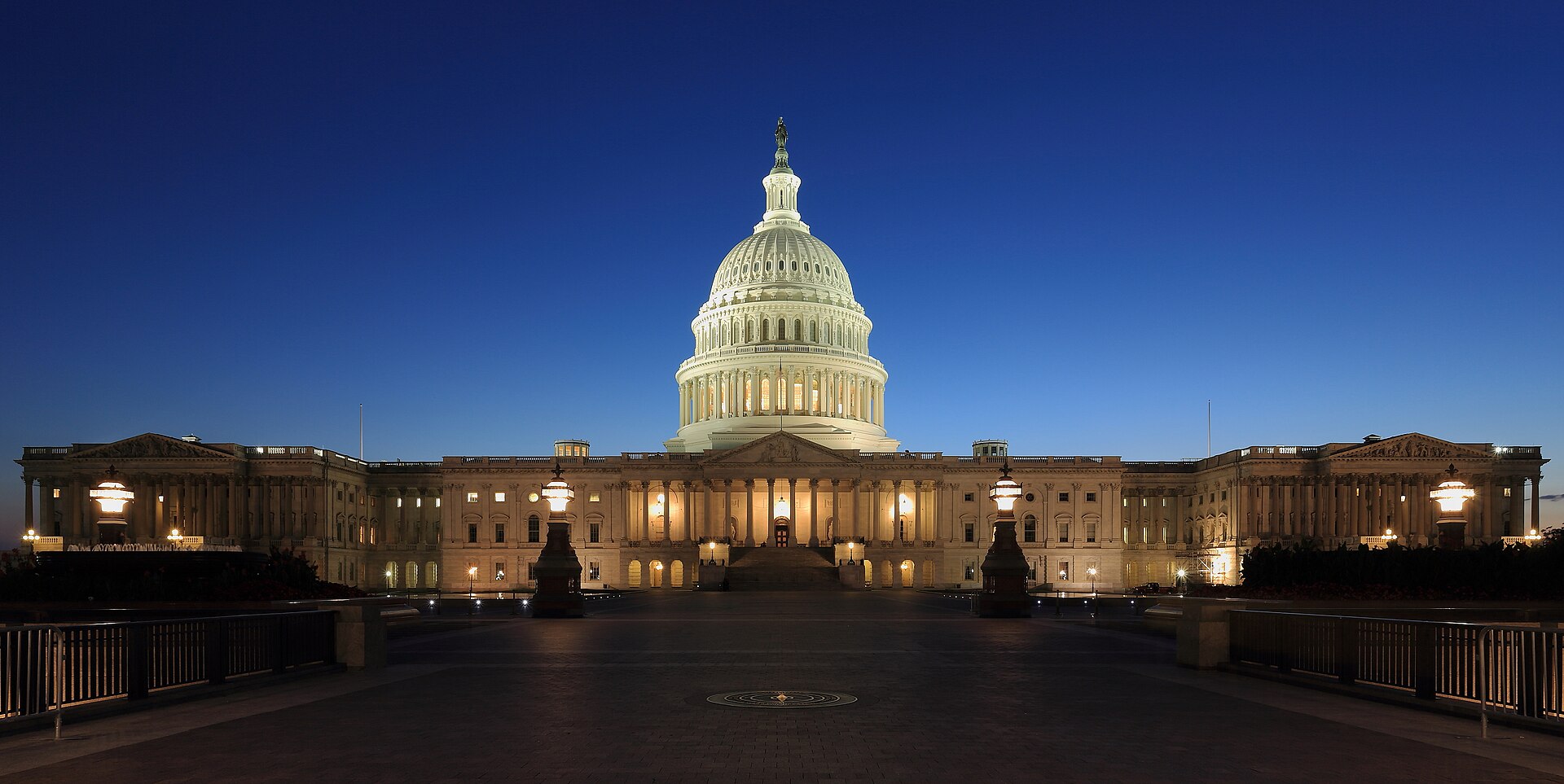
Two years after President Donald Trump carried much of the country's political map, voters in some of his strongest states delivered a dramatic reversal on Tuesday. Democrats flipped seven Republican-held Senate seats, and a county-by-county analysis by CNN shows just how broad the shift was: in the states CNN examined, voters moved toward Democrats in more than 780 of the 800 counties.
The scale of the movement is striking because it was so uniform. It was not confined to Democratic strongholds or to a handful of swing counties. Across the eight states CNN examined county by county — Texas, North Carolina, South Carolina, Kansas, Iowa, Ohio, Maine and New Hampshire — the electorate shifted in the same direction, producing one of the most sweeping Senate realignments in a generation.
Texas tells the story most vividly. The Democratic margin improved by more than 25 percentage points there, and in Cameron County, home to the city of Harlingen, James Talarico won by a 38.5 percentage-point margin on his way to becoming the first Democrat to win a Texas Senate seat since 1988. Kansas and South Carolina saw Democratic margins improve by more than 20 points each.
The flips were not limited to states where Democrats were already competitive. In South Carolina and Kansas, states Trump won by double digits in 2024, Democratic challengers won Senate seats that had looked safely Republican only months earlier. In Maine, Troy Jackson defeated Susan Collins, and in Michigan, Abdul El-Sayed became the first Muslim ever elected to the Senate.
The Associated Press had the Senate at 54 Democrats to 44 Republicans by Friday afternoon, with two Republican-held seats still being counted. In Alaska, Democrat Mary Peltola led Republican Senator Dan Sullivan by about 600 votes, and in Mississippi, Democrat Scott Colom led Republican Senator Cindy Hyde-Smith, according to NBC News. If both break the Democrats' way, their majority would reach 56 seats.
The two uncalled races are being held up for very different reasons. In Mississippi, roughly 95 percent of ballots have been counted, with a few thousand absentee and provisional ballots still to be processed and certification due by November 13. In Alaska, only about three-quarters of the vote has been counted, and the state's ranked-choice system means the decisive tabulation may not come until November 18.
The consequences of the new map reach well beyond the numbers. With the Senate in Democratic hands, every Trump nominee now answers to a Democratic majority, and the president's future judicial picks can be blocked outright. That alone reshapes the final two years of his presidency, constraining his ability to put his stamp on the federal courts.
There are limits, however. The sixty-vote filibuster still stands on most legislation, and overriding a presidential veto takes two-thirds of both chambers, a margin the Democratic wave fell well short of. With 54 senators today, and 56 if Alaska and Mississippi break their way, Democrats remain at least eleven votes shy of the 67 needed to override a veto. Between Trump's veto pen and the sixty-vote bar, Democrats are very unlikely to pass much of their agenda into law.
What they can do is investigate, confirm or block nominees, and set the terms of the debate. The new Senate majority takes office on January 3, and the county maps released this weekend are the clearest picture yet of how it was won: not in one state or one region, but in hundreds of counties at once, in places where Democrats had not won in decades. The 2028 presidential race, already informally under way, will be fought on the same map.
Reporting: CNN
Spot an error? Orbit News corrects articles promptly and notes the correction in the article. See our Editorial Policy, or flag an error by messaging us on Facebook, X, or Instagram.