Business
U.S. Jobless Claims Edge Up to 203,000, Topping Forecasts as Markets Weigh the Fed's Next Move
Initial claims for unemployment benefits rose by 1,000 to 203,000 in the week ended November 14, the Labor Department said Thursday, coming in above economists' forecasts a day after hawkish Federal Reserve minutes.
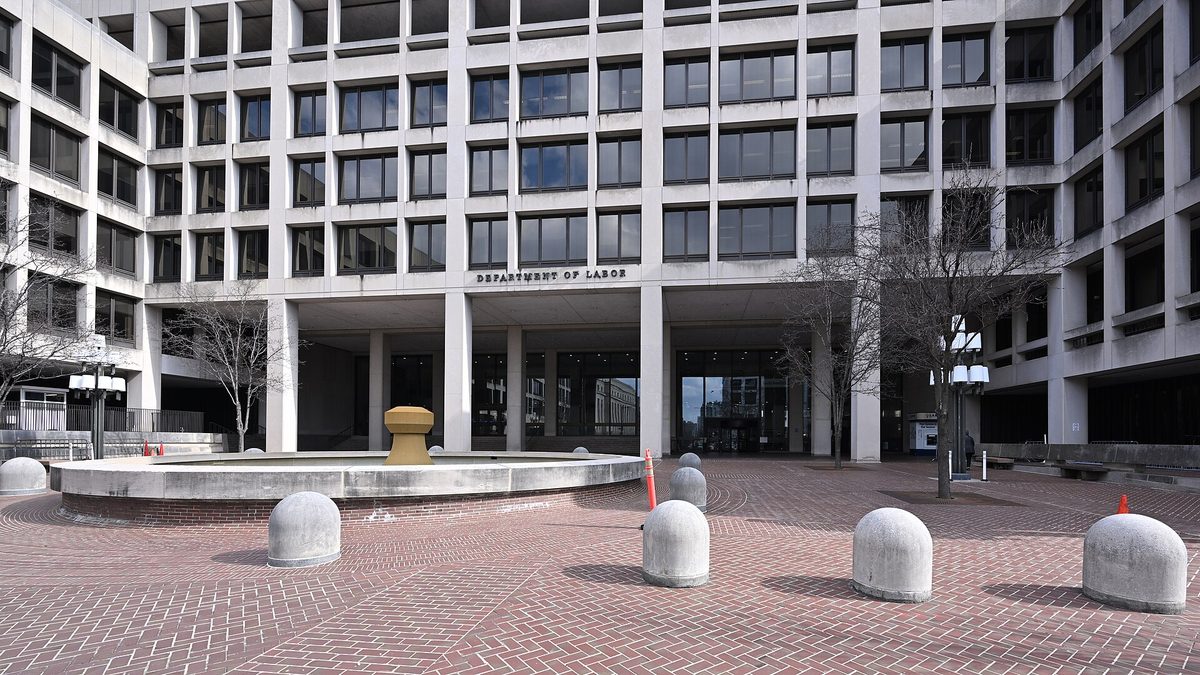
Initial jobless claims in the U.S. rose by 1,000, to a total of 203,000, during the week ended Nov. 14, according to a report Thursday from the Department of Labor. The total came in above the forecast of 197,000 from economists polled by the Wall Street Journal, and above the 198,000 that other forecasters had expected.
Early Thursday, the Labor Department said jobless claims unexpectedly rose to 203,000 versus 200,000 last week. Claims were seen falling back down to 198,000 after rising 9,000 in the previous week, per Econoday. The surprise — a small increase where economists had expected a small decrease — was the latest sign that the labor market is cooling at the margins, even though layoffs remain rare by historical standards and claims remain near the low end of their recent range.
The claims report is a weekly proxy for layoffs: it counts people filing for unemployment benefits for the first time after losing a job. Because it is published every Thursday, it is the most frequent hard read on the job market, and it lands this week against an unusually charged backdrop. On Wednesday, the minutes of the Federal Reserve's October meeting showed almost all policymakers expect further interest rate increases, and traders are now pricing in a December hike with near certainty.
The U.S. stock market appeared to rise Thursday after Anthropic priced its initial public offering above its target range and traders weighed the fresh data on jobless claims. The E-Mini Dow Continuous Contract was up 0.5%, while the E-Mini S&P 500 Future Continuous Contract was rising a sharp 1% and the E-Mini Nasdaq 100 Index Continuous Contract was advancing 1.8%, according to FactSet data, at last check. Ahead of Thursday's opening bell, Dow futures gained 0.6%, as S&P 500 futures rose 1.2% and Nasdaq-100 futures jumped 2.1% in recent morning trades.
The market's focus on Thursday was elsewhere as well. Artificial intelligence giant Anthropic priced its IPO at $83 a share, above the expected range of $70 to $78, and is set to trade Thursday on the Nasdaq under the ANT ticker. Walmart was an earnings loser on the stock market on Thursday, with its stock declining 1% in premarket trading even after the discount retailer narrowly topped quarterly estimates and raised its full-year earnings and sales outlook. West Texas Intermediate crude futures moved up to around $84 a barrel, the 10-year Treasury yield ticked higher near 5.1%, and bitcoin rebounded above $63,600.
For the Federal Reserve, the claims data cuts both ways. A labor market that is softening only slightly gives the Fed room to keep raising rates to fight inflation without triggering a wave of job losses — but it also means the central bank has little evidence that the economy is cracking under the tightening already delivered. The minutes released Wednesday showed officials worried that inflation is proving stickier than expected, and the claims numbers on Thursday did nothing to change that picture.
The broader labor market backdrop remains resilient. Claims were 200,000 in the prior week, after rising 9,000 that week, and Thursday's 203,000 reading is a step above that level — but a single week does not make a trend. The four-week moving average, the reading economists trust more than any single week, smooths out exactly this kind of weekly wobble.
Also on Thursday's economic calendar were the Philadelphia Fed manufacturing survey and the Conference Board's leading indicators for October, giving investors a fuller picture of factory activity and the economy's direction alongside the claims data.
The next big labor market tests come with the data between now and the Fed's December 8-9 meeting. Weekly claims will be watched for any sign that the small uptick is the start of something larger, and the November employment report will show whether hiring is holding up. For now, the message of Thursday's numbers is modest: layoffs are ticking up, not surging, and the Fed's path toward another rate increase in December looks undisturbed.
Why it matters: A 1,000-claim miss is small in absolute terms, but it matters because of what it is not: it is not the decline forecasters expected, and it comes the morning after the Fed's minutes showed a central bank leaning hard toward another hike. The labor market is sending a mixed signal — layoffs edging up while claims stay near 200,000 — and that ambiguity is exactly what the Fed is wrestling with. If claims keep drifting above 200,000, the doves will have an argument; if they settle back, the hawks will. The market's calm reaction on Thursday, with futures rising on Anthropic's debut, suggests investors see a softening labor market as a manageable problem rather than a warning — for now.
Reporting: MarketWatch · Investor's Business Daily
Spot an error? Orbit News corrects articles promptly and notes the correction in the article. See our Editorial Policy, or flag an error by messaging us on Facebook, X, or Instagram.
Related from Orbit News

Anthropic Debuts on Nasdaq After Record $81 Billion IPO Values AI Lab at $1.5 Trillion
Business · Nov 19, 2026
Fed Minutes Show October Hold Was a 'Close Call' as Officials Lean Toward a December Hike
Business · Nov 19, 2026