Technology
Huawei Launches OSTA, Its First New Phone Brand Since Honor, With the Wide-Screen O1 Pro
Six years after selling Honor, Huawei has a new smartphone sub-brand aimed at younger buyers who want AI features without flagship prices, starting with the O1 Pro in China.
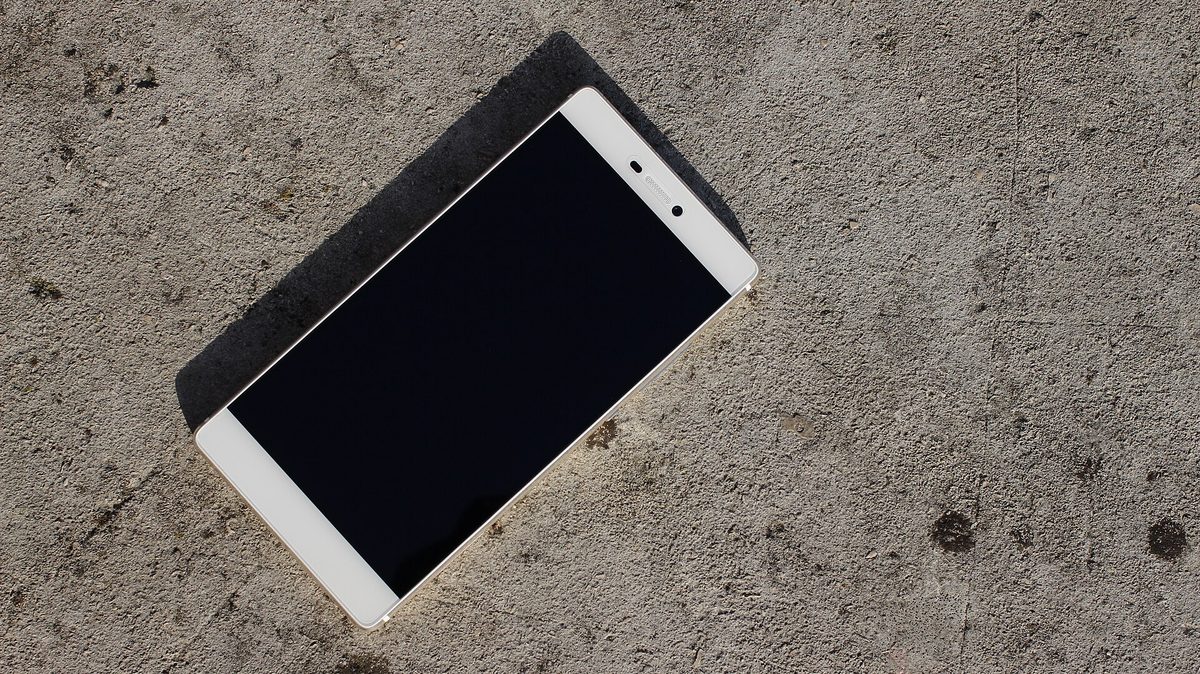
Huawei launched OSTA on Friday, November 20, its first new smartphone sub-brand since it sold Honor in 2020. The brand, known in China as Xingmang, meaning starlight, debuted with its first phone, the OSTA O1 Pro, at an event in Beijing alongside the Stelato V8. The launch marks a major shift in Huawei's smartphone strategy as it tries to win new customers by focusing on artificial intelligence.
The OSTA O1 Pro is built around an unusually wide screen. It is a wide bar phone with a 6.39-inch 16:9.5 1.5K LTPS flat display, with bezels of just 1.05 millimeters on all four sides and a 96.1 percent screen-to-body ratio. The display runs at a 120Hz refresh rate with a 300Hz touch sampling rate and a claimed peak brightness of up to 6,500 nits. The phone is 6.68 millimeters thick and weighs about 200 grams, and it comes in three colors: Starry Black, Nebula White and Starburst Purple.
Inside, the phone runs on Huawei's Kirin 9030S chip, offered in 12GB plus 256GB, 12GB plus 512GB, 16GB plus 512GB and 16GB plus 1TB configurations. The rear cameras include a 200-megapixel main sensor, a 50-megapixel periscope telephoto with 3.7x optical zoom, and a multispectral color camera, with no ultra-wide camera. The front camera is a 50-megapixel selfie camera with a portrait lens. A 7,000mAh battery supports 66W wired charging and wireless charging, and the phone is rated IP68 and IP69 for dust and water resistance.
The O1 Pro is the first phone to ship with HarmonyOS 7 AI Pioneer Edition, and Huawei is pitching it explicitly as an AI phone. Richard Yu, chairman of Huawei's Consumer Business Group, said the brand focuses on four qualities: Originality, Smartness, Technology and Accessibility. The phone is tailored to run on-device AI agents that complete user requests locally and online, with a system-level AI screen meant to take users straight to what they need, new AI interactions and the option to generate a theme from a single image. The cameras also use on-device AI features processed by the Kirin chip's neural processing unit.
Pricing puts the O1 Pro below Huawei's own flagship Mate line. Introductory pricing in China starts at 5,499 yuan, about 775 dollars, for the 12GB plus 256GB model, according to GizmoChina's report from the launch. The 12GB plus 512GB version costs 6,499 yuan, the 16GB plus 512GB version is 7,299 yuan, and the top 16GB plus 1TB version is 8,799 yuan at introductory prices. Sales began at 6:08 p.m. China time on Friday through Huawei's Vmall store and JD, and Huawei has not announced international availability.
The brand's existence first surfaced through trademark filings reported the week before November 11, and Yu then confirmed the name and the November 20 launch date directly through his own Weibo account rather than a formal press statement. Pre-orders opened on Vmall earlier in the week, with official images confirming the wide-screen design in three colors, and leaks had detailed much of the hardware ahead of the event. The OSTA O1, a standard version of the phone, was also showcased under the new brand.
OSTA arrives at a moment when Huawei has regained a strong position in China. The company now aims to sell the sub-brand's phones to customers as a new identity that Honor once represented, with plans to launch more devices under the brand in the near future. Unlike Honor, which was spun off in 2020 partly so it could keep using Google services, OSTA remains fully owned by Huawei and its phones run HarmonyOS rather than Android with Google Mobile Services.
That distinction sets a clear limit on the brand's reach. Like every Huawei-branded phone released since 2019, the OSTA O1 Pro runs HarmonyOS instead of Android, so buyers outside China who import one would need to sideload apps or use alternative app stores to reach most Western services. Huawei has not announced plans to sell the phone outside China, and for now the brand is a China-only play aimed squarely at younger buyers who want AI features without flagship pricing.
Whether OSTA can repeat Honor's success is an open question. Honor grew into a major brand in its own right before Huawei sold it under the pressure of United States sanctions, and it eventually became independent enough to challenge Huawei itself in China. OSTA starts from a stronger position in one sense, because it launches with Huawei's full backing and its newest chip and software, but it starts from a weaker one in another, because it has no independent identity yet and no presence outside its home market. The O1 Pro's first sales weekend will be the first real test of whether the name means anything to buyers.
Why it matters: OSTA is Huawei's attempt to bottle what made Honor valuable without repeating the mistake of losing it. Honor was built to reach younger buyers and then had to be sold off when sanctions cut Huawei off from Google services; OSTA stays inside Huawei and runs HarmonyOS, so there is no Google problem to solve, but also no path to Western app stores. The wide screen and AI-first pitch are the differentiators Huawei is betting on: a phone shaped for watching video and running on-device agents, priced below the Mate flagships. The real question is whether a sub-brand can matter in a market where Huawei's own name is already strong again. If OSTA's first phone sells, expect a full lineup to follow quickly; if it does not, it will join the long list of phone sub-brands that launched with a splash and faded within a year.
Reporting: GizmoChina · Huawei Central
Spot an error? Orbit News corrects articles promptly and notes the correction in the article. See our Editorial Policy, or flag an error by messaging us on Facebook, X, or Instagram.
Related from Orbit News
Google Brings Gemini Computer Use to the Mac, Letting Its AI Click and Type for You
Technology · Nov 20, 2026
European Commission Hit by AI-Assisted Cyberattack as Investigators Point to the Artex Tool
Technology · Nov 20, 2026