Technology
Google Gets Its First AI Answer Back From a Chip in Orbit
A prototype satellite running a Gemma model on a data-center-class TPU has returned its first AI-generated response from space, Google's Project Suncatcher team says.
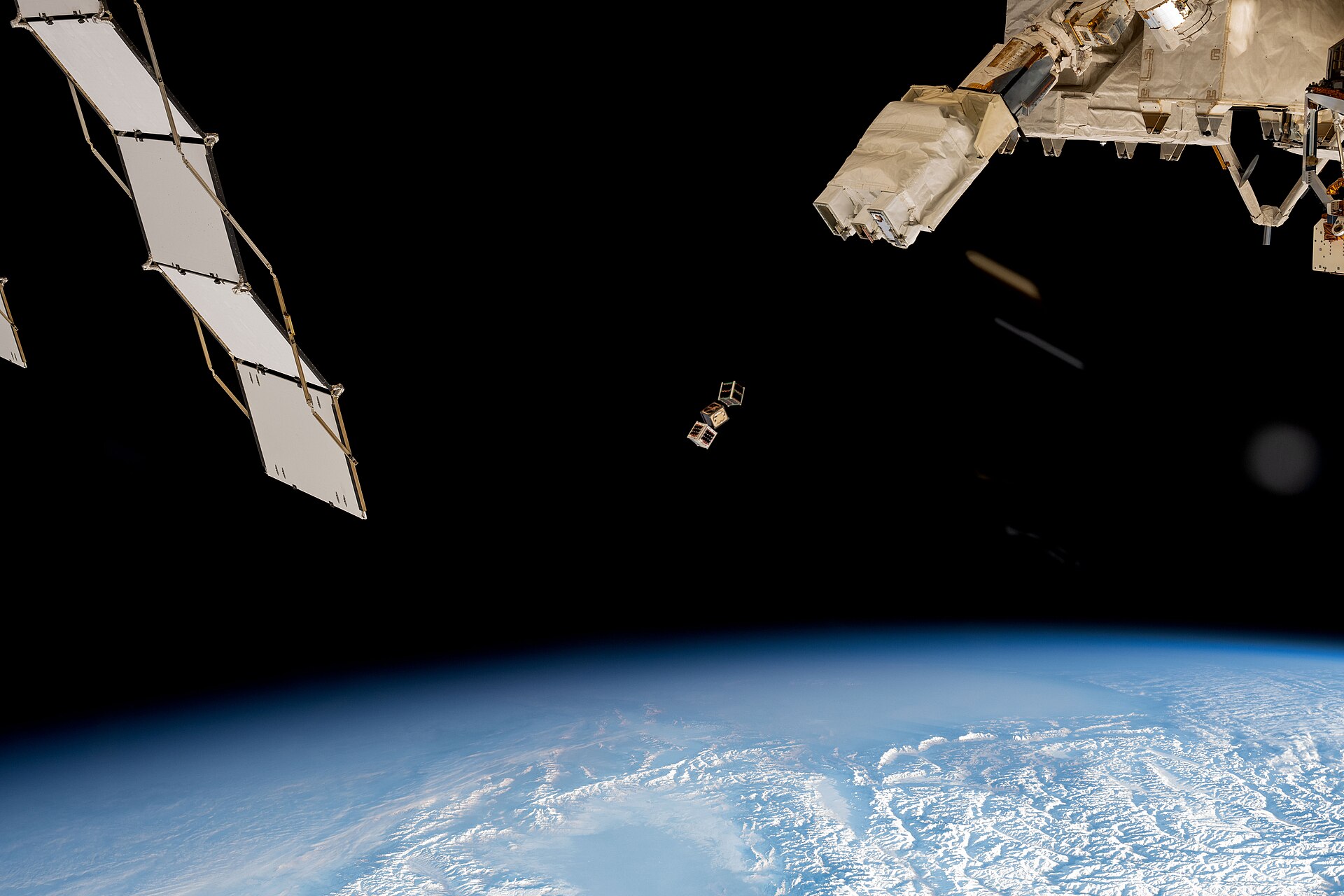
Google has taken an early but striking step toward computing in space, receiving a complete AI-generated response from a processor flying aboard a satellite.
The experiment is part of Project Suncatcher, Google's research program testing whether data-center-style AI work can run on solar-powered satellites. A prototype satellite built with Planet launched on October 1 aboard a SpaceX Falcon 9 rideshare mission.
After about three weeks of commissioning, engineers sent a prompt to a Gemma 4 model pre-loaded on the satellite and asked it to write a haiku about being in space. The onboard Tensor Processing Unit, or TPU, the same class of chip Google uses in its data centers, ran the model, and the answer was transmitted back to a ground station as the satellite passed over Svalbard, Norway.
Google described the result, announced October 30, as the first AI response from a data-center-class TPU in orbit, calling it the project's 'Hello World' moment. The satellite carries four TPUs but can only power one at a time for about 20 minutes because it generates roughly one kilowatt of electricity.
The work is far from a working space data center. Google says further tests over the coming year will examine how the chips cope with radiation, heat, and the harsh conditions of orbit, ahead of a planned two-satellite experiment in 2027.
Reporting: Dataconomy
Spot an error? Orbit News corrects articles promptly and notes the correction in the article. See our Editorial Policy, or flag an error by messaging us on Facebook, X, or Instagram.
Related from Orbit News
Motorola's Signature 27 Leaks in Full Ahead of November 5 Launch: 12,000-Nit Display, 200MP Camera
Technology · Nov 2, 2026
Microsoft 365 Family Users Are Losing Their Individual 1TB, and Sharing Just 2TB Instead
Technology · Nov 2, 2026