Politics
Epstein Files Petition One Signature Short as Adam Smith Signs On
The discharge petition for a second Epstein transparency bill sits at 217, with only Representative John Garamendi left among Democrats.
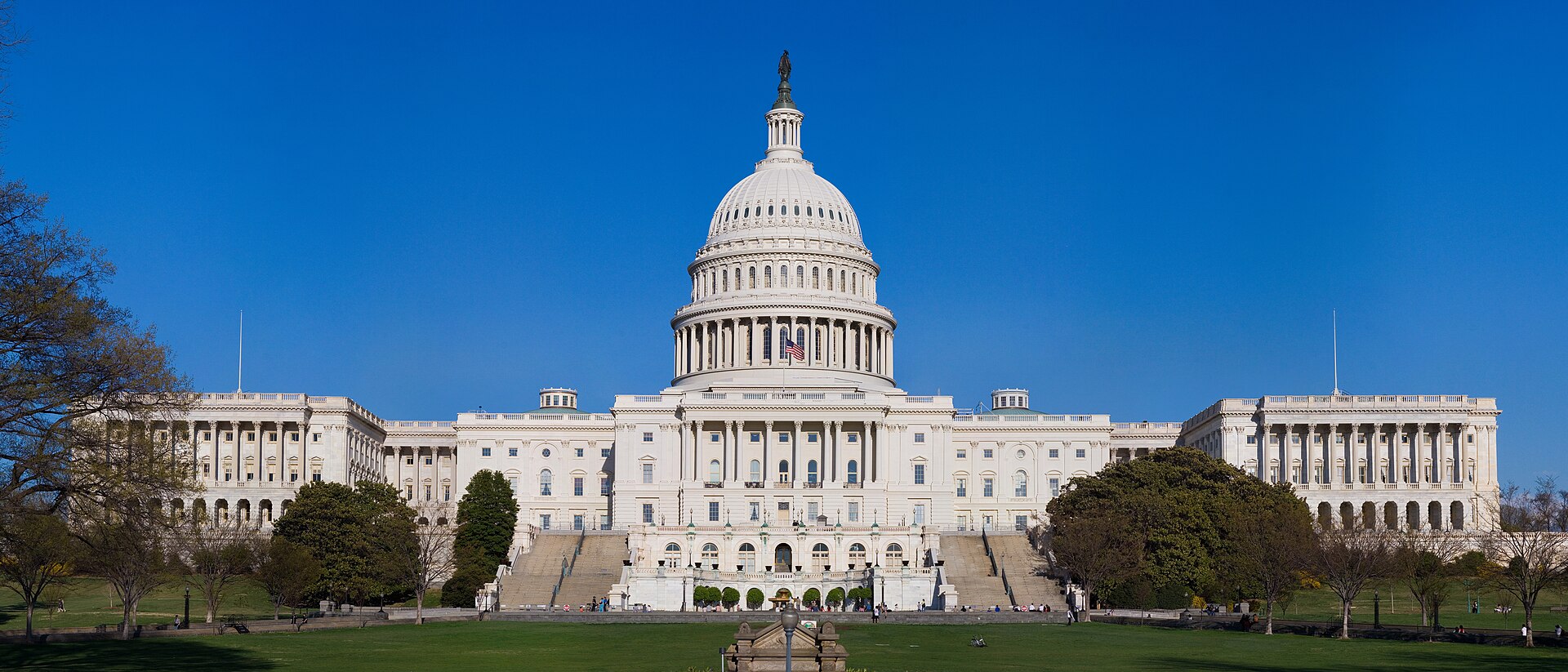
The discharge petition seeking to force a House vote on the Epstein Files Transparency Act II is now just one signature short of the 218 needed to bring the measure to the floor. Representative Adam Smith of Washington signed the petition on Tuesday, bringing the total to 217, the first signature since the House returned from its pre-election recess.
That leaves Representative John Garamendi of California as the only Democrat who has not signed the petition. Just four Republicans have signed: the bill's sponsor, Thomas Massie of Kentucky, along with Nancy Mace of South Carolina, Ralph Norman of South Carolina and Brian Fitzpatrick of Pennsylvania. The petition has reached 217 signatures despite the overwhelming majority of House Republicans declining to join the effort.
A discharge petition is a parliamentary tool that lets a majority of the House, 218 members, force a bill to the floor without the leadership's agreement. It is the same mechanism Massie and Representative Ro Khanna used last year to bring the original Epstein Files Transparency Act to a vote over the objections of Speaker Mike Johnson, who had urged Republicans not to sign.
The second bill, H.R. 9694, was introduced on July 15 by Massie, Khanna of California and Representative Teresa Leger Fernandez of New Mexico. It would allow Epstein victims, state attorneys general and members of Congress to sue the Justice Department to force a fuller release of Epstein files, giving the transparency law enforcement teeth that supporters say the first version lacked.
The first law passed the House 427 to 1 after the discharge petition brought it to the floor, and President Trump signed it into law on November 19, 2025. It directed the attorney general to release all unclassified Justice Department, FBI and United States Attorney records concerning Jeffrey Epstein, Ghislaine Maxwell and their associates within 30 days. The Justice Department says it has already done what the law requires, but supporters of the second bill say the release was incomplete.
Democrats on the House Judiciary Committee added fuel to the push this week with a new 50-page report making the case against Trump over his alleged involvement with Epstein and documenting what they describe as the Justice Department's effort to cover up records. The report has sharpened the partisan edge of a fight that began as a bipartisan transparency effort.
The petition's path has been slow by design. Massie filed Discharge Petition Number 27 on August 31, and the last signatures were dated September 16, the day before the speaker sent the House home for seven weeks. Nothing could move while the chamber was out of session, because members can only sign when the House is sitting. Smith's signature on Tuesday was the first movement in nearly two months.
Reaching 218 does not produce an immediate vote. Under House rules, a petition that gathers a majority is placed on the Discharge Calendar, and after seven legislative days a signer may announce an intention to call it up, after which the leadership must schedule it. Against the published calendar, with the House sitting November 9 to 12 and November 16 to 20, the earliest realistic passage vote would fall between November 20 and December 1.
The calendar is tight. The House is scheduled to sit only 16 days before government funding expires on December 11, and all pending petitions expire when the 119th Congress ends on January 3. If Republicans keep the bill bottled up through the lame-duck session, the fight will move to the new Congress, where Democrats will hold the majority and could pass the measure without a discharge petition at all.
Massie predicted the outcome on November 5, writing that when the House returned, the petition would reach 218 signatures, which he said guarantees a vote. Representative Lauren Boebert, who signed the first Epstein files discharge petition, has not signed the second one, and Garamendi's signature is now the one that stands between the petition and the threshold. Whether he signs in the coming days will decide whether the vote happens in the lame-duck session or waits for January.
Reporting: Meidas News
Spot an error? Orbit News corrects articles promptly and notes the correction in the article. See our Editorial Policy, or flag an error by messaging us on Facebook, X, or Instagram.