World
COP31 Turns to Energy and Transport as Delegates Wrestle With a Warming World
On day two in Antalya, negotiators focused on clean power and low-emission mobility, while Bangladesh pressed for climate grants and new research offered a sliver of hope on fossil fuel emissions.
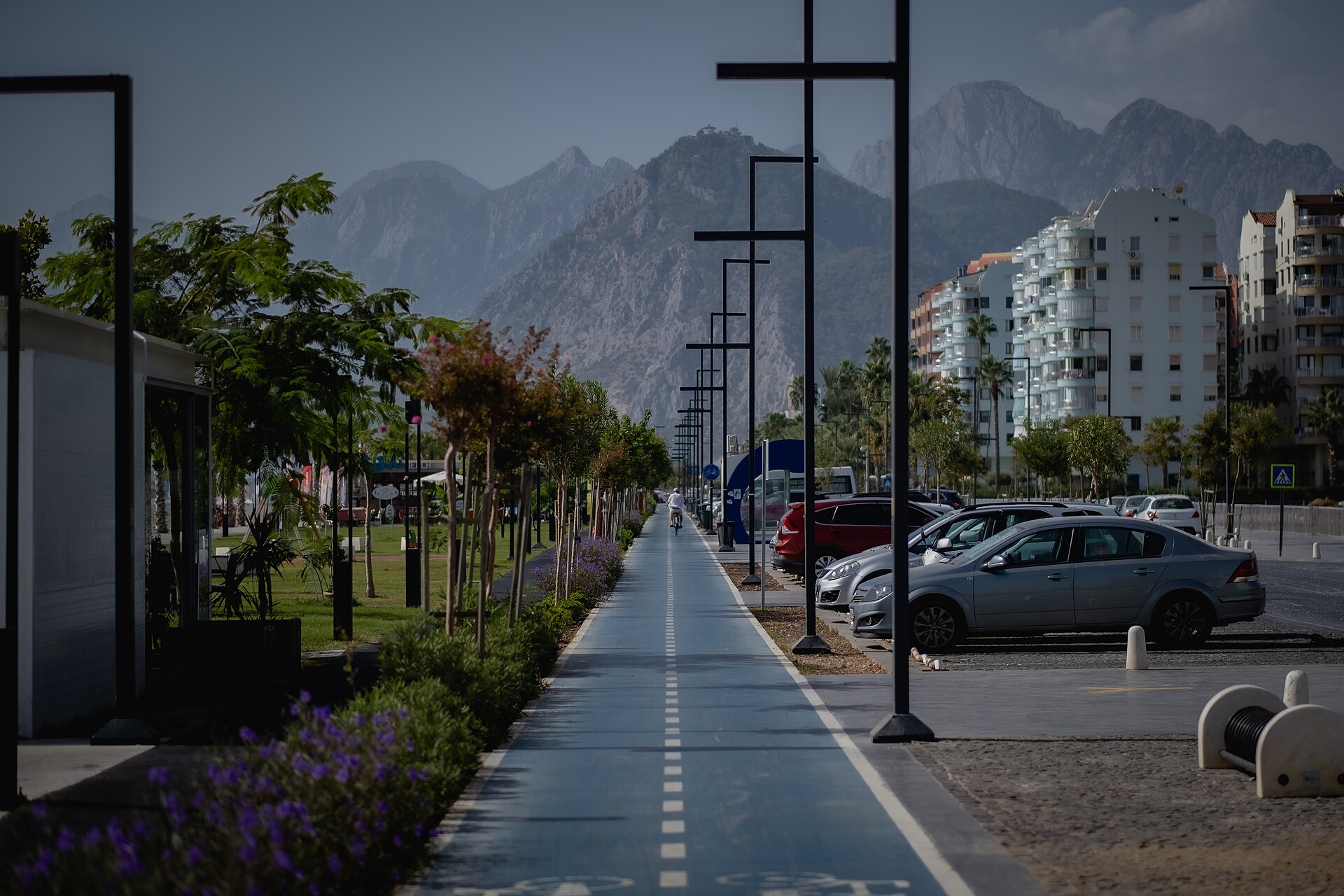
The United Nations climate summit in Antalya, Türkiye, entered its second day on Tuesday, turning its attention to energy and transport, two of the sectors that weigh most heavily on global greenhouse-gas emissions. The second day of COP31, which runs from November 9 to 20, focused on the shift to clean energy and low-emission mobility, even as host nation representatives celebrated newly discovered oilfields and delegates grappled with fresh evidence that the world is failing badly to stem rising temperatures.
Around 100,000 delegates attended the venue on Monday, causing long queues for registration badges, and the United Nations asked those whose attendance was not compulsory to come back on Tuesday for their credentials. The first day had been marked by doubt over whether the gathering could deliver meaningful progress, with warnings about El Niño, extreme weather and global food and health security. Australia's climate minister Chris Bowen, who is leading the COP negotiations, urged participants to show the world that multilateralism works and that they are equal to the challenge.
Research published on Tuesday morning offered a sliver of hope: carbon emissions from fossil fuels are falling slightly. The finding, while modest, was a rare bright spot in a summit that opened under a cloud of pessimism. But the optimism was tempered by the host country's own messaging. As COP31 entered its second day, Turkish representatives celebrated newly discovered oilfields, a jarring note at a conference whose central purpose is to move the world away from the fuels that are warming the planet.
Tuesday's theme was energy and transport, and the sessions laid the groundwork for the arrival on Wednesday of leaders from more than 90 countries for the Leaders' Summit. The heads of the United States and China are notably absent, a gap that has hung over the talks since they opened. The day's agenda covered solar power and hydrogen, turning organic waste into energy through compost and biomethane, low-carbon logistics, reusable packaging, mobility and energy policy, and the financing of cities that adopt zero-waste solutions.
Bangladesh used the second day to press its case for more climate finance. Prime Minister Tarique Rahman left Dhaka for Antalya early on Tuesday to join the BNP government's first United Nations climate summit since taking office in February. State Minister for Environment, Forest and Climate Change Shaikh Faridul Islam told The Business Standard that Bangladesh would push for more climate grants, greater support for adaptation and faster access to loss and damage funding.
Dhaka wants developed countries to spell out how they will lead efforts to mobilize at least 300 billion dollars a year in climate finance for developing countries by 2035, the goal agreed at COP29 in Baku. Bangladesh will also press for implementation of the Global Goal on Adaptation and progress on the COP30 call to triple adaptation finance by 2035. The country plans to work with the Least Developed Countries Group, the Climate Vulnerable Forum and the Vulnerable Twenty Group, and researchers and civil society leaders say it must also show where the money goes and whose risks it reduces.
The negotiations continue in parallel in the Blue Zone, where the formal talks take place, while the Green Zone hosts the public face of the summit, with panels, projects and partnerships on seven stages every day. The Green Zone will be closed to visitors on Wednesday and Thursday for the Leaders' Summit, when heads of state and government deliver their national statements. The high-level segment, which hears those statements, takes place on November 11 and 12.
The stakes of the Antalya talks extend well beyond the conference halls. Nearly 200 countries are gathering to negotiate the future of global climate action, and the discussions are expected to focus on cutting emissions, accelerating the clean energy transition, protecting nature, strengthening climate finance and helping communities adapt to growing climate risks. COP30 adopted 59 adaptation indicators in Belém, and COP31 is expected to build on that work, turning commitments into action.
Whether the summit can deliver remains an open question. The first day was marked by warnings that the world is falling behind on every front, and the absence of the leaders of the two largest emitters has fueled doubts about the political will to act. But the negotiators in Antalya have eleven more days, and the arrival of more than 90 heads of state and government on Wednesday will test whether the summit can produce the kind of breakthrough that the first day's speeches promised. For the vulnerable countries that have done the least to cause the crisis and suffer most from its consequences, the answer cannot come soon enough.
Reporting: The Business Standard
Spot an error? Orbit News corrects articles promptly and notes the correction in the article. See our Editorial Policy, or flag an error by messaging us on Facebook, X, or Instagram.