Business
Berkshire Hathaway's Profit Falls as Buybacks Hit a Record $9.6 Billion Under Greg Abel
Operating earnings fell 5.8 percent to $12.7 billion on weaker insurance results, but buybacks more than doubled to a record $9.6 billion and cash hit $377 billion.
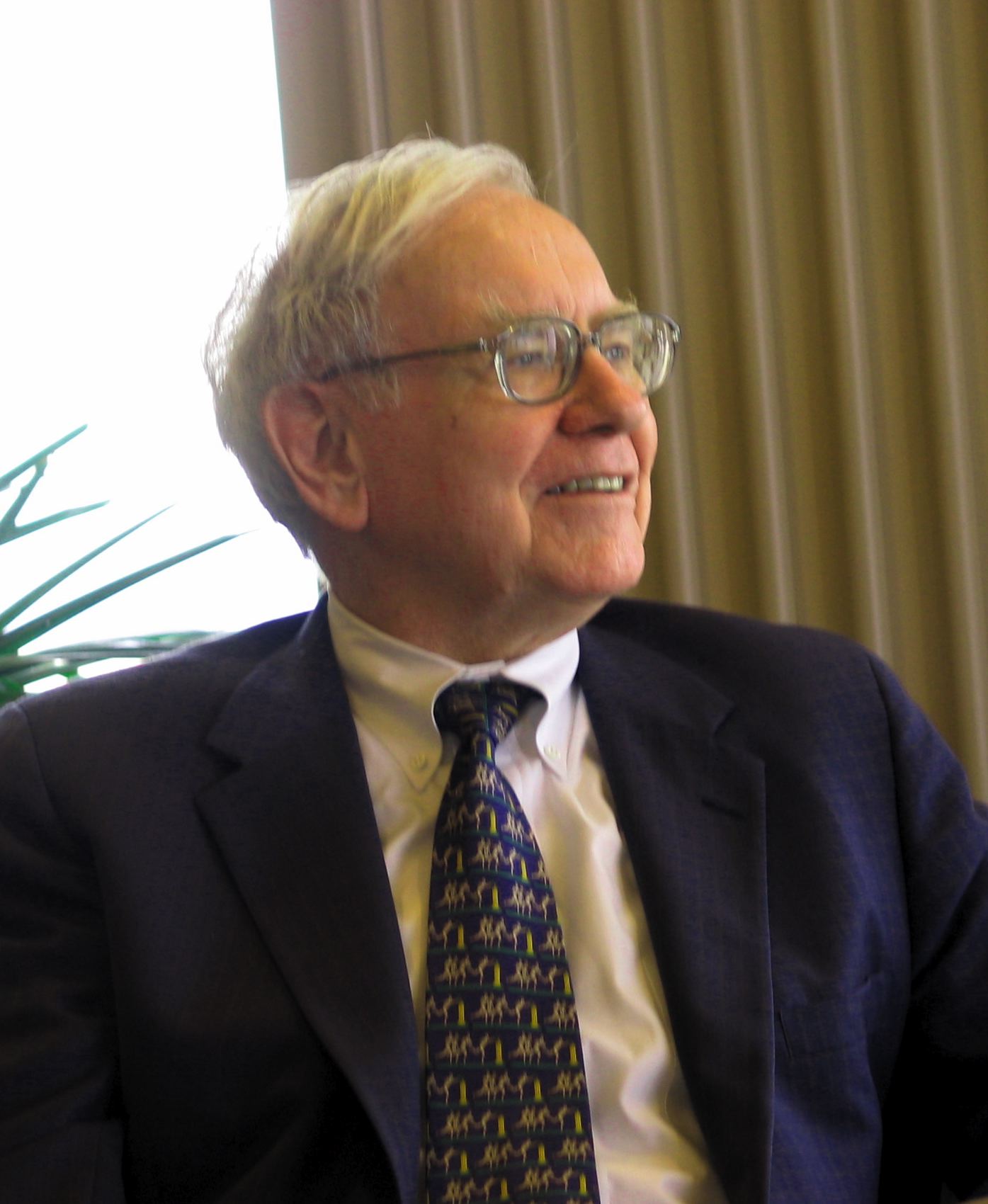
Berkshire Hathaway reported its first quarterly results since Warren Buffett stepped back from the chief executive role, and the numbers told a familiar story: the operating businesses earned less, the stock portfolio swung the headline, and the company spent a record amount buying back its own shares.
The conglomerate said on Saturday, November 7, that third-quarter operating earnings fell 5.8 percent to $12.705 billion, from $13.485 billion a year earlier, or about $8,907 per Class A share. Analysts surveyed by FactSet had expected operating earnings of about $8,822 per Class A share, so the result came in slightly ahead of forecasts despite the drop.
Net earnings, which include gains and losses on Berkshire's stock portfolio, fell more sharply, down 28 percent to $22.112 billion from $30.796 billion a year earlier. Investment gains dropped to $9.4 billion from $17.3 billion a year earlier. Revenue rose 11 percent to $105.65 billion, showing that the fall in profit came from the earnings mix and investment results, not from a decline in sales across the group.
Insurance was the main drag inside the operating business. Insurance underwriting profit fell 43 percent to $1.352 billion, and insurance investment income fell 14 percent to $2.734 billion. Insurance profit overall fell 26 percent in the quarter, and the weaker underwriting result accounted for much of the decline in operating earnings.
At the same time, Berkshire repurchased about $9.6 billion of its own shares in the quarter, more than double the prior quarter's buybacks, and bought about $2 billion more in October. Repurchases for 2026 now total about $14.4 billion. The company's cash and Treasury bills stood at about $377.4 billion at the end of September, one of the largest cash piles in corporate history.
Class A shares rose above $878,000, past their level before Buffett announced his retirement plans in May 2025. The market's reaction suggested investors were unbothered by the softer quarter and encouraged by the scale of the buybacks.
Over the first nine months of the year, the picture was steadier. Operating earnings rose 8 percent to $37.0 billion, from $34.3 billion a year earlier, as rail, energy and manufacturing carried the group. Nine-month net earnings rose 21.2 percent to $57.9 billion. Berkshire itself warns investors that quarterly investment gains and losses are usually meaningless for judging the business, because market swings can make net earnings jump or fall even when the operating companies change little.
The report is the first since the September 18 succession, when Buffett became chairman emeritus and the board elected his son Howard Buffett as chairman. Greg Abel, who took over as chief executive in January, now runs the company, and the quarter offers an early look at how he is managing it.
The message so far is continuity with a tilt toward returning cash. Abel is buying back stock at a record pace while the cash pile keeps growing, a sign that Berkshire sees its own shares as the best use of its money when few large acquisitions meet its price. The company's more detailed quarterly filing, due later this month, should show exactly which stocks it traded during the quarter.
Reporting: SourceFirst News
Spot an error? Orbit News corrects articles promptly and notes the correction in the article. See our Editorial Policy, or flag an error by messaging us on Facebook, X, or Instagram.
Related from Orbit News
Constellation Energy Crushes Earnings Estimates and Raises Its Outlook Again
Business · Nov 9, 2026
NRG Energy Triples Its Profit and Sells $4 Billion of Gas Plants to LS Power
Business · Nov 9, 2026