U.S. News
Atmospheric River Floods California, Breaks a 108-Year San Francisco Rain Record
The season's first big atmospheric river swamped Bay Area streets, forced Los Angeles to warn burn-scar neighborhoods to prepare to evacuate, and dumped heavy snow in the Sierra.
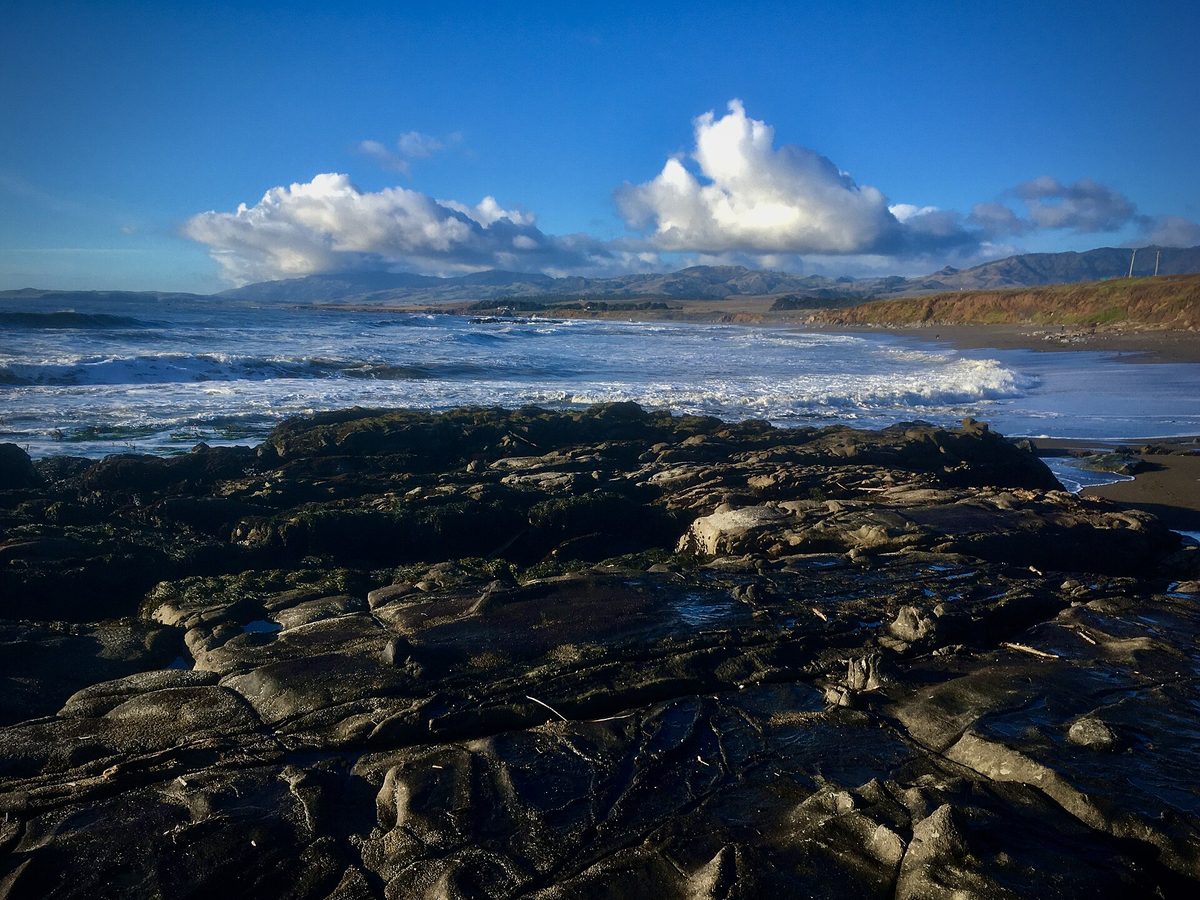
A powerful atmospheric river slammed into California on Wednesday and Thursday, flooding streets across the Bay Area, breaking a San Francisco rainfall record that had stood since 1918, and forcing Los Angeles to warn residents near recent wildfire burn scars to prepare to evacuate. The storm, the season's first significant atmospheric river, was fueled by a historically strong El Niño that has warmed Pacific waters and tilted the odds toward a wetter than normal winter in the state.
San Francisco took the hardest early hit. Downtown recorded 2.64 inches of rain on Wednesday, a new daily record that beat the old mark of 2.24 inches set in 1918, more than a century ago. The city averages 2.6 inches of rain for the entire month of November, so Wednesday alone delivered more than a month's worth. Just 18 days into the month, the city's November rainfall total was already nearly double the full-month normal, and a storm front packing wind gusts reaching 75 mph pushed into the Bay Area behind the rain.
The downpour overwhelmed drainage systems across the city, sending water shooting out of a sidewalk drain on California Street in the Financial District, flooding buildings and stranding cars on submerged streets. Videos captured floodwaters pouring through office rooftops and swamping roadways, the M streetcar line had to be rerouted because of flooding, and the Powell-Mason cable car line was blocked by a fallen tree. Waymo suspended its robotaxi service across the Bay Area as flooded streets stranded cars, and the National Weather Service issued flood advisories across several Bay Area counties, warning that additional rain could worsen flooding in low-lying areas and places with poor drainage.
By late Wednesday night the heaviest rain had moved south, and Los Angeles faced its turn on Thursday morning. The National Weather Service issued a flash flood warning for Los Angeles through noon on Thursday, and the city warned that the rain would keep causing flooded roadways, downed trees and potential mud and debris flows. “Every Angeleno needs to take this weather seriously. We received a lot of rain in a short period of time that will continue to cause flooded roadways, downed trees, and potential mud and debris flows,” Mayor Karen Bass said.
The greatest danger in Southern California was not the rain itself but what it could set in motion on hillsides stripped bare by fire. Los Angeles County issued evacuation warnings for residents near the burn scars of the Eaton fire in Altadena, the Palisades fire, the Sunset fire in the Hollywood Hills, the Kenneth fire in Calabasas, the Hurst fire near Sylmar and the Canyon fire, warning that heavy rain and debris flows could make roads and evacuation routes impassable with little or no warning. The warnings, in place from 6 p.m. Wednesday through 8 a.m. Friday, covered neighborhoods where the Los Angeles Police Department was directly contacting homeowners whose properties are especially vulnerable.
Rainfall totals of 1 to 3 inches were expected across much of Southern California, with locally higher amounts of 3 to 5 inches on coastal slopes and foothills, and forecasters warned of rainfall rates of a half-inch to an inch an hour in the heaviest bands. The storm also dumped heavy snow in the mountains, with 4 to 8 inches expected above 7,000 feet and 1 to 3 inches above 5,500 feet. The National Weather Service issued a flood watch for Santa Barbara, San Luis Obispo, Ventura and Los Angeles counties, and wind advisories stretched along the Interstate 5 corridor and into the San Gabriel Mountains.
Los Angeles spent the days before the storm preparing for exactly this sequence of fire followed by flood. City crews cleared more than 31,000 catch basins and drainage sites and 50 debris basins, including in the Pacific Palisades, to maximize drainage, and put sandbags and more than 13,000 feet of K-rail in place to protect burn scar areas. Teams are monitoring nearly 250 high-risk grading and construction sites, prioritizing the Palisades burn scar and other vulnerable hillsides. The Los Angeles Fire Department pre-deployed specialized teams for swift-water rescues, which were soon assisting with rain-related emergencies across the city, and the Sepulveda Basin and Lake Balboa were closed until further notice because of flooding.
The storm is part of a much larger pattern. The El Niño now in place is among the strongest on record, and forecasters say California is likely to see plenty more atmospheric river-fueled storms in the weeks and months to come as it boosts the state's odds of a wet winter. The Weather Channel reported that additional rounds of rain and gusty winds are expected after this system, and the city said it would keep its Emergency Operations Center activated while the storm threat continues.
For all the disruption, the storm also delivered what California needs most after years of dry winters: water. The question for the rest of the season is whether the storms that follow arrive spaced out enough for the ground to absorb them, or piled on top of each other fast enough to turn a wet winter into a damaging one. After Wednesday's record rain and Thursday's flash flood warnings, the state is watching the next system already forming over the Pacific.
Why it matters: This storm matters because it is the first real test of a winter that forecasters expect to be shaped by a historically strong El Niño, and it showed both sides of that pattern in a single day: record rain that California's reservoirs need, and flooding that its fire-scarred hillsides cannot handle. The evacuation warnings below the Palisades, Eaton and other burn scars are the new normal for Los Angeles, where wildfire season and flood season now overlap. How the state handles the storms still to come will decide whether this El Niño is remembered as a drought-breaker or a disaster.
Reporting: The Weather Channel · City of Los Angeles
Spot an error? Orbit News corrects articles promptly and notes the correction in the article. See our Editorial Policy, or flag an error by messaging us on Facebook, X, or Instagram.