Business
Wall Street's $2 Trillion Wake-Up Call: the AI Selloff, the Jobs Surprise, and What Comes Next
The Nasdaq suffered its worst day since April 2025 as investors reassessed the AI data-center boom. A day later, stocks bounced back and a blockbuster jobs report changed the argument again.
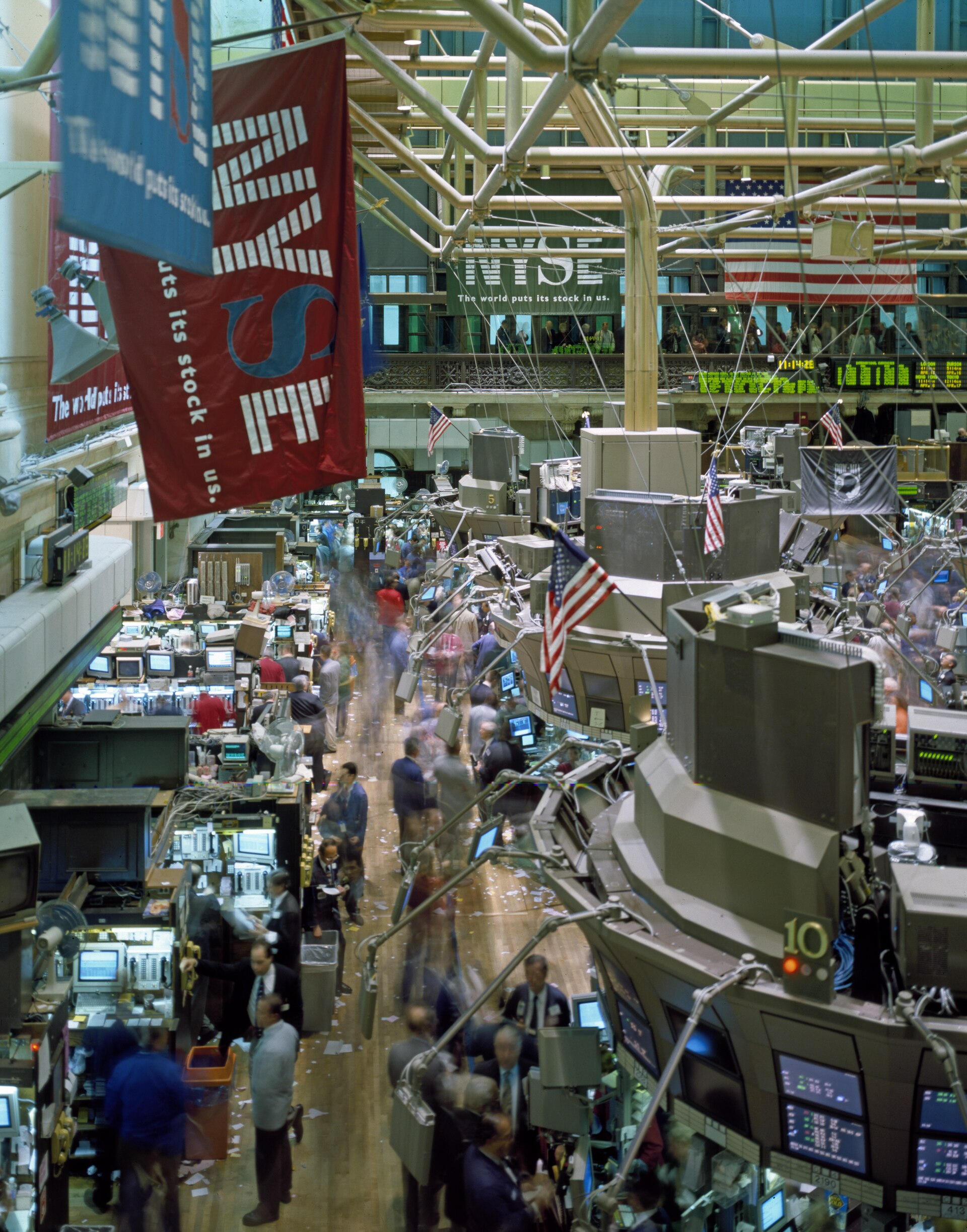
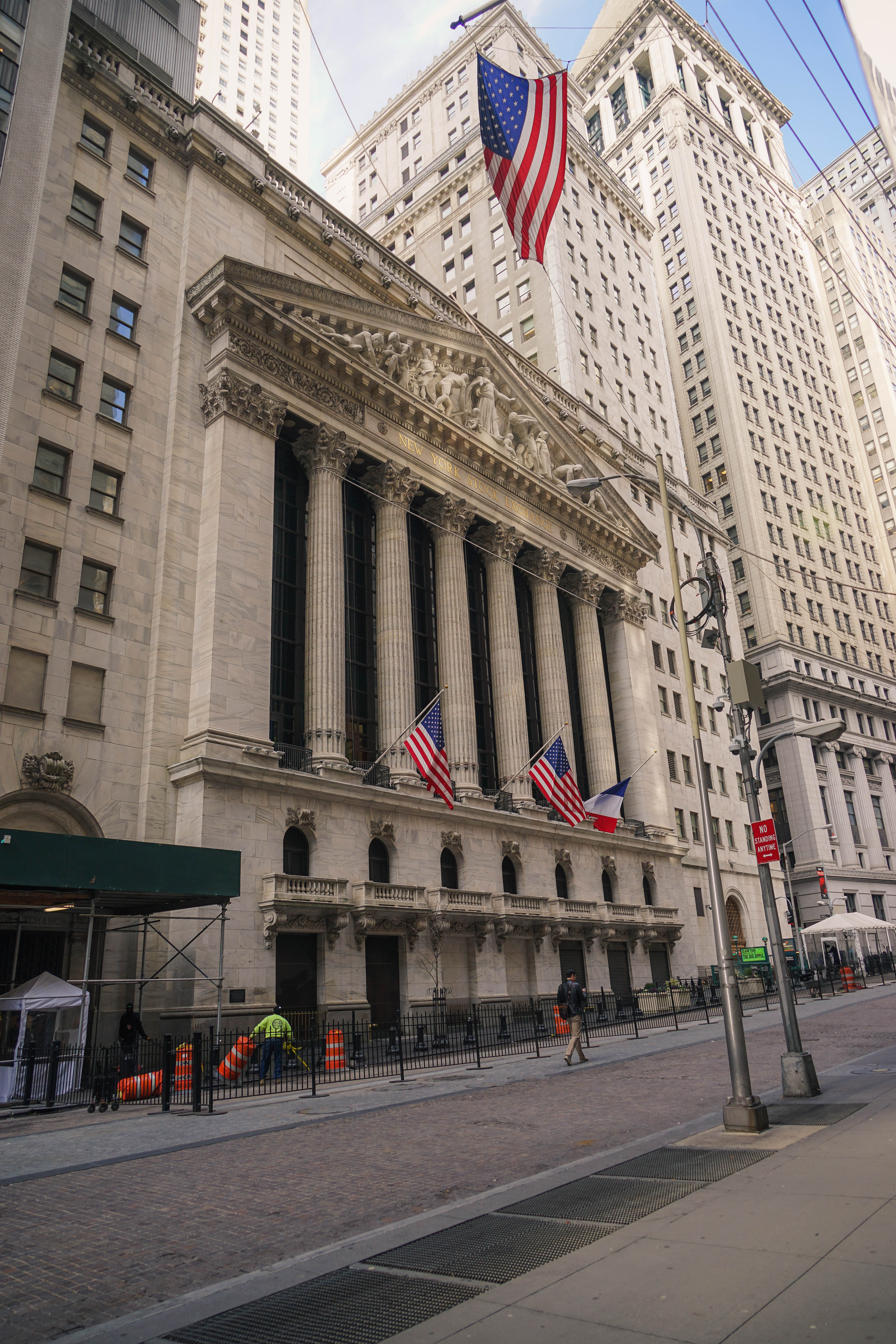
U.S. stocks plunged on Thursday in their worst session since April 2025, led by a ferocious selloff in technology and artificial intelligence shares that wiped out the market's post-election rally in a single day. The Nasdaq Composite fell 5.5 percent, or 1,422 points, to 24,315 — its largest single-session point loss on record. The S&P 500 dropped 4.4 percent and the Dow Jones Industrial Average lost 1,833 points, or 3.4 percent.
The scale of the damage was extraordinary even by the standards of a market that has grown used to sharp swings. About $2 trillion was wiped off the Nasdaq's market value in a single day. The Nasdaq is now firmly in correction territory, down as much as 14 percent from the all-time high it reached only a month ago. All 11 sectors of the S&P 500 fell, with technology down 7.3 percent.
Chip stocks took the worst of it. The Philadelphia Semiconductor Index plunged 12.3 percent, its second-biggest fall on record, with every member lower. Micron and AMD each fell about 17 percent, Nvidia dropped 9 percent and SanDisk tumbled 22 percent. Qualcomm's weak smartphone-chip sales added to the gloom after its handset revenue fell 26 percent from a year earlier.
The trigger was politics as much as economics. Investors reassessed the AI data-center buildout after Democrats swept the midterm elections, fearing the new Congress could slow approvals and tighten rules for the massive facilities that drive demand for AI chips. Voters also rejected data-center projects in most local ballot measures, and the Democratic governor-elect of Texas has pledged to halt new approvals until the state passes laws on electricity, water and property rights. For a market that had priced the AI buildout as a near-certainty, the idea that the politics around it could change was enough to start a stampede.
Then Friday changed the argument again. Stocks moved mostly higher, regaining ground after the selloff, with the tech-heavy Nasdaq showing a significant rebound after its steepest drop in well over a year. The Nasdaq Composite rose about 1.4 percent to around 24,657, the Nasdaq 100 gained 2 percent to 27,160 — still 13 percent below its October 6 record close — the S&P 500 rose about 0.9 percent and the Dow edged up about 0.1 percent. Semiconductor stocks helped lead the way back, with the Philadelphia Semiconductor Index rising 4.4 percent after Thursday's 12.3 percent nosedive. Nvidia climbed about 4 percent, and Tesla rose 4.8 percent after chief executive Elon Musk said the company will wind down Cybertruck production to make room for its self-driving Cybercab. Lam Research gained 8 percent after announcing a $25 billion share repurchase program. The CBOE Volatility Index, Wall Street's fear gauge, fell 16 percent to 23.67 after Thursday's nearly 70 percent spike.
The rebound was powered by a jobs report that blew past every forecast. U.S. employers added 165,000 jobs in October, the Labor Department estimated on Friday, far above economists' forecasts of roughly 60,000 to 65,000 new jobs and more than triple the average monthly gain over the previous year. Earlier months also looked stronger after revisions: the department now reports 60,000 jobs added in September, up from the initial estimate of 29,000, and 186,000 in August — a combined upward revision of 84,000. The unemployment rate ticked down to 4.1 percent from 4.2 percent, and the labor force participation rate inched up to 61.9 percent. Professional and business services led October's hiring with 70,000 jobs, far above its recent average.
The details of the report were more mixed than the headline. Average hourly earnings rose by 14 cents to $38.00 in October and are up 3.1 percent over the past year — but pay is still not clearly outpacing inflation, with consumer prices up 3.7 percent over the year in September, the most recent reading available. The number of people working part time for economic reasons rose by 339,000 to 4.8 million. Fewer people are joining the workforce than in past years, which means employers need to add fewer jobs to keep the unemployment rate steady.
The strong report also changed the Federal Reserve's arithmetic. The Fed held rates steady at 3.75 to 4.00 percent at its meeting last week, with two officials dissenting in favor of an immediate increase. As of Friday, most forecasters believed the central bank would raise its benchmark interest rate by a quarter-point in December, according to CME FedWatch, and the odds of a hike jumped back to 77 percent after the jobs report. The 10-year Treasury yield traded near 4.83 percent. A strong labor market gives Fed officials room to prioritize concerns about persistent inflation — which is good news for the fight against prices, but a headwind for the technology companies whose borrowing costs rise with rates.
Other markets told the same story of a week turned upside down. Gold rose on Thursday as investors sought safety, while oil rebounded, with Brent crude climbing back above $100 after its election-week plunge. Bitcoin steadied near $76,000 after a selloff wiped out $1.27 billion in leveraged bets. The University of Michigan's consumer sentiment index rose to 51.0 in November from 48.0 in October, beating expectations, and one-year inflation expectations eased to 4.3 percent from 4.7 percent, the lowest since August.
Friday's bounce, welcome as it was, recovered only about a fifth of Thursday's slide in the S&P 500. The deeper question the week exposed is whether the AI trade — the engine of the market's gains for two years — is facing its first real stress test. The bull case has always been that demand for computing power is effectively unlimited and that the companies building data centers will keep spending whatever it takes. Thursday's selloff was the market asking, for the first time at scale, what happens if the politics of electricity, water and land use slow that spending down, and what the chips are worth if it does.
What comes next will be decided in three places. First, the chipmakers themselves: whether semiconductor shares can sustain Friday's recovery, and whether the big technology companies maintain their AI investment forecasts in the earnings calls ahead. Second, the Treasury market: whether yields stabilize after the jobs report, or keep climbing and squeezing growth stocks. And third, Washington: whether the new Democratic Congress moves quickly on data-center rules, and whether the Texas governor-elect follows through on halting approvals. The market's argument now is not about whether AI matters — it is about what the buildout is worth under a divided government. Thursday erased the post-election rally in a day. Friday bought some of it back. The repricing, on the evidence of this week, is not finished.
Reporting: dpa-AFX
Spot an error? Orbit News corrects articles promptly and notes the correction in the article. See our Editorial Policy, or flag an error by messaging us on Facebook, X, or Instagram.