U.S. News
USDA Proposes Rule That Could Strip Food Stamps From 6.3 Million Americans
A USDA proposal would end broad-based categorical eligibility for food stamps, removing an estimated 6.3 million people from SNAP by fiscal year 2029.
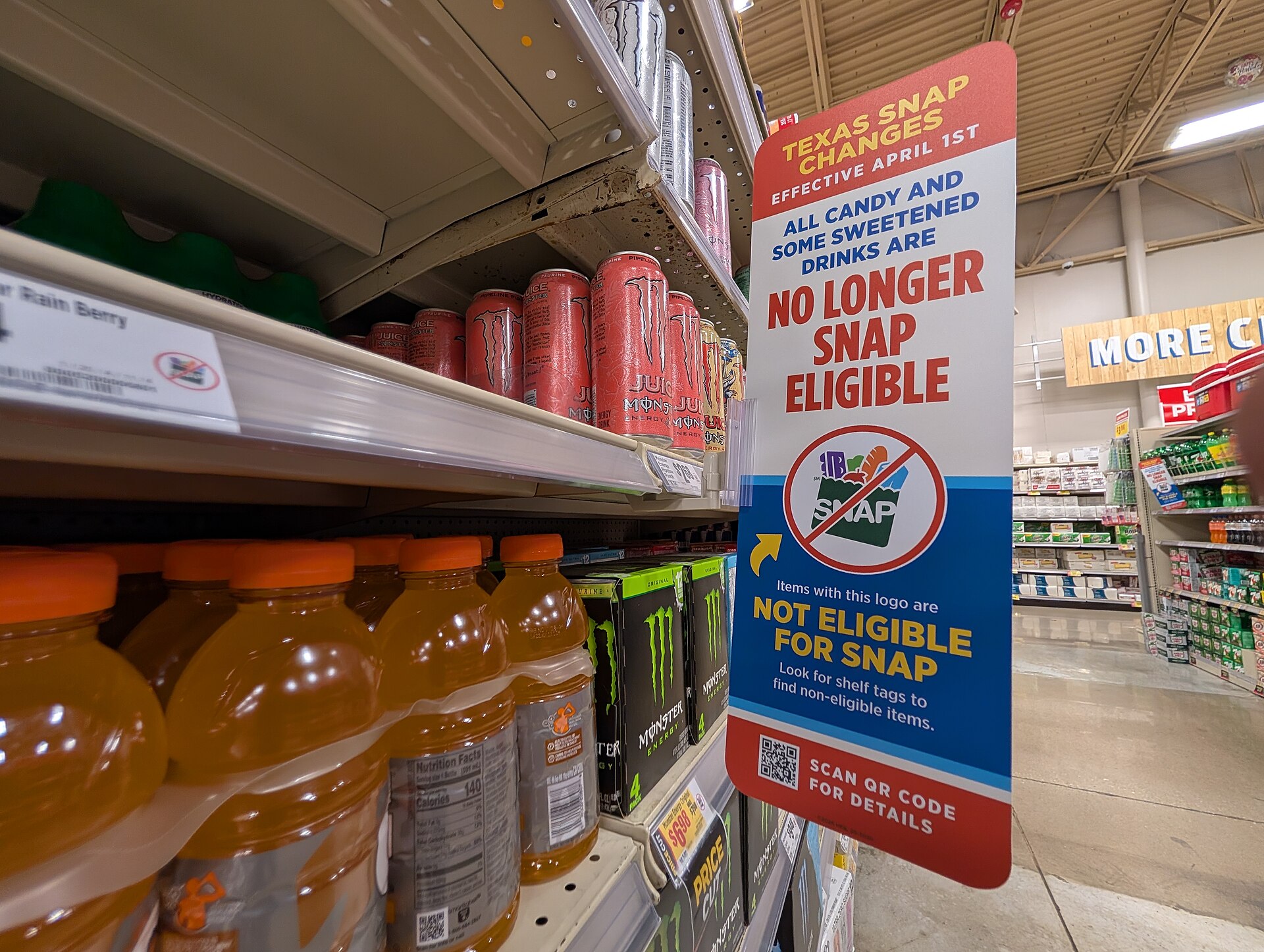
Roughly 6.3 million low-income Americans could lose their food stamp benefits in fiscal year 2029 under a proposed rule released Tuesday by the U.S. Department of Agriculture, a change that would remove nearly one in five people from the nation's largest food assistance program. The proposal, published in the Federal Register on November 10, targets a long-standing policy that lets states approve households for food stamps when they receive other forms of public aid, even if their income or assets sit above the program's federal limits.
The policy at the center of the proposal is known as broad-based categorical eligibility. Under it, states can enroll households in the Supplemental Nutrition Assistance Program, or SNAP, without a separate income or resource review if every member of the household receives benefits from a state program funded by the Temporary Assistance for Needy Families block grant. The Agriculture Department says the practice has drifted far beyond its original purpose, and the proposed rule would narrow it sharply so that only households receiving assistance intended to meet ongoing basic needs could qualify through that route.
According to the department's own analysis, about 16.9 percent of participating households, or roughly 3.2 million households containing 6.3 million people, would no longer receive SNAP benefits in fiscal year 2029, the first year the change is expected to reach its full effect. SNAP eligibility is generally set at 130 percent of the federal poverty level, and the people affected would lose benefits because their income or resources exceed those federal limits. As of December 2025, 46 states used broad-based categorical eligibility, according to the proposal.
The effects would reach well beyond SNAP itself. About 1.8 million children would no longer be automatically eligible for free school meals if the proposal is finalized, although the Agriculture Department said nearly all of them would still qualify for free or reduced-price meals if they applied separately. In the separate WIC nutrition program for pregnant women, mothers, infants and young children, about 16,500 people would have to apply on their own, while another 5,500 participants would no longer be eligible at all.
The proposal arrives at a moment when SNAP enrollment has already fallen sharply. More than 5.5 million people have lost food assistance since President Donald Trump signed the One Big Beautiful Bill Act in July 2025, bringing enrollment to about 36 million people, according to Agriculture Department data. The Center on Budget and Policy Priorities, a left-leaning research group, estimates that about 2 million children are among those who have lost benefits, and advocates attribute much of the drop to states carrying out stricter eligibility reviews to avoid payment error penalties, along with other provisions in the 2025 package.
Anti-hunger advocates warned that the new rule would add paperwork for families and state agencies alike, and that the added burden could cause people who are still eligible to lose their benefits by mistake. Some families, particularly those with immigrant members, are reluctant to fill out government paperwork that draws attention to themselves, advocates said. Gina Plata-Nino, the SNAP policy and advocacy director at the Food Research and Action Center, said the administration was making life harder for working families rather than helping them.
The Agriculture Department defended the proposal as a correction to a system it says has been abused for years. In a statement, the agency said broad-based categorical eligibility had bloated the welfare rolls for decades, allowed states to take shortcuts, let error rates balloon, and allowed people with income and assets far above federal limits to draw a benefit meant for the neediest. Correcting the loophole, the agency said, is long overdue. The department estimates the change would reduce federal spending on SNAP by nearly 45 billion dollars and state spending by about 5.2 billion dollars over five years.
The administration has tried this before. A similar rule ending broad-based categorical eligibility was proposed in 2019 during President Trump's first term, but it was withdrawn by the Biden administration in 2021. The new proposal revives that effort in a different political landscape, with Republicans having lost control of Congress in the midterm elections and Democrats set to take over both chambers in January, a shift that could give the rule's critics a louder platform even though the rulemaking itself sits with the executive branch.
What happens next is a public comment period. The proposal is open for comment for 30 days, through December 10, 2026, under docket number FNA-2026-0661, and the department will have to review the submissions before it can finalize the rule. Until then, no one's eligibility changes. But the debate over the proposal is already shaping up as a fight over who the safety net is for, how much help working families just above the poverty line should receive, and how far the administration should go in tightening a program that feeds tens of millions of Americans.
Reporting: CNN
Spot an error? Orbit News corrects articles promptly and notes the correction in the article. See our Editorial Policy, or flag an error by messaging us on Facebook, X, or Instagram.