Politics
Trump Authorized a Crackdown on Nvidia Chip Diversions Three Times. Lutnick Never Carried It Out, Axios Reports
Axios reports the president approved action against suspected diversions of advanced AI chips to China in May, August and November — and that Commerce Secretary Howard Lutnick stalled each time.
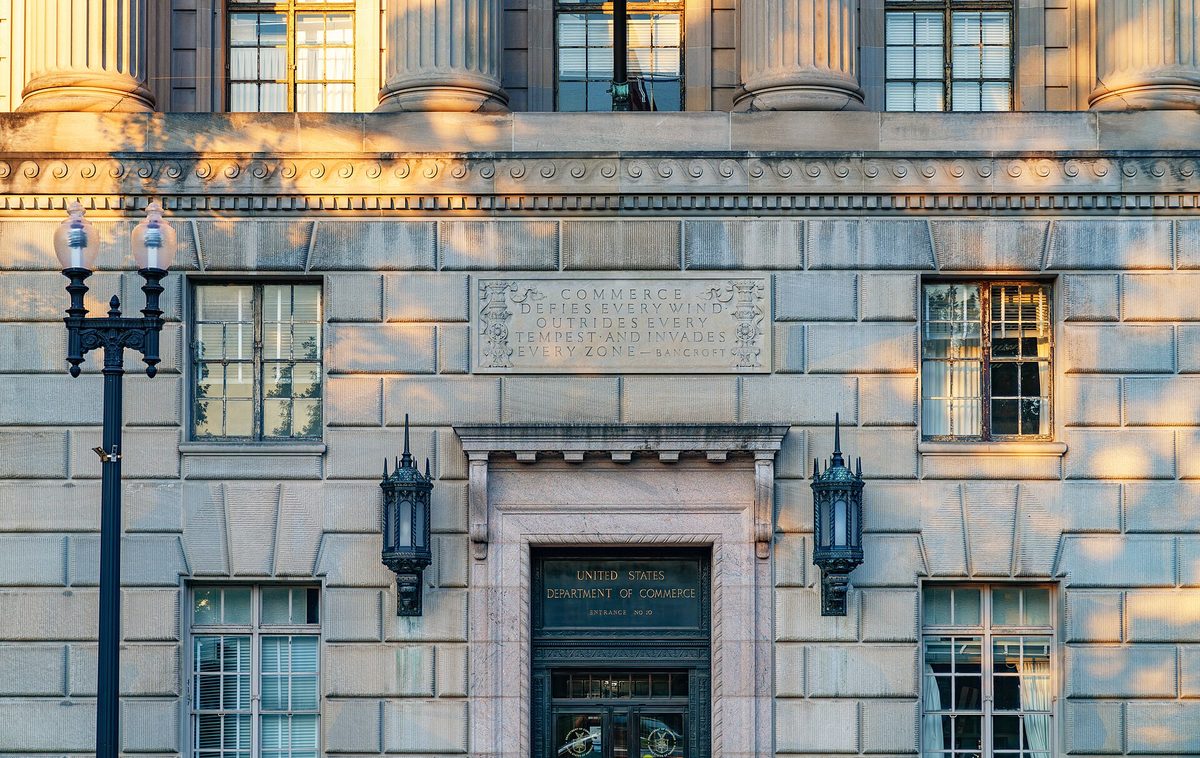
President Donald Trump authorized action against companies suspected of diverting Nvidia's advanced artificial intelligence chips to China three times this year — in May, August and on November 5 — but the crackdown never took effect because Commerce Secretary Howard Lutnick delayed acting on the directive, Axios reported on Wednesday, citing six senior sources. The report has turned the fallout from Nvidia chief Jensen Huang's resignation into a Cabinet-level fight over who let American chips reach China.
The dispute centers on Megaspeed, a Singapore-based company that had been under investigation by the Commerce Department for possible export-control violations. U.S. intelligence officials believe Megaspeed's former executive Alice Huang, with whom Jensen Huang had an affair, was acting on behalf of Chinese intelligence — an allegation Beijing has denied. Megaspeed has denied any wrongdoing. The company acquired about $2 billion in advanced Nvidia equipment within about a year, according to earlier reporting, and was developing data centers in Southeast Asia to serve Chinese customers.
According to Axios, the latest presidential approval came on November 5, after Trump consulted Elon Musk. That same day, Treasury Secretary Scott Bessent confronted Lutnick in a White House Situation Room meeting, pressing him on why Megaspeed had not been placed on the Commerce Department's Entity List, which would restrict its access to American technology. Commerce Department spokesperson Kristen Eichamer denied that Bessent confronted Lutnick and did not immediately comment on the other allegations.
"One administration official has repeatedly stood in the way: Commerce Secretary Howard Lutnick," Axios wrote, in a line quoted across Washington on Wednesday. The outlet also reported that Commerce has not added a company to the Entity List in more than a year, a striking pause for the department that polices American export controls.
The report has drawn demands for answers from both parties. Sen. Jim Banks, a Republican, said he wants Lutnick to testify before the Senate Banking Committee as soon as possible. "I would like for Secretary Lutnick ASAP to come testify before the Senate Banking Committee because we have a lot of bipartisan questions and concerns about what's happened over the last year," Banks said in an interview on Fox News. Sen. Elizabeth Warren, the top Democrat on the committee, said the two men at the center of the dispute — Lutnick and Under Secretary of Commerce Jeffrey Kessler — "must explain why they have not closed export control loopholes and act today to ensure our advanced technology is not fueling China's military."
Rep. Raja Krishnamoorthi, an Illinois Democrat, called the report "deeply, deeply disturbing" and described the week's events as "a freaking disaster at this point," saying the episode "deserves tremendous scrutiny not only by obviously Nvidia's board, but by the intelligence community and the US government as well." Sen. Michael Bennet of Colorado has also written to the administration demanding information about its handling of the chip-diversion concerns, setting November 24 as the deadline for a written response, according to reports.
For now, Lutnick retains the president's backing. A White House official said Trump "maintains complete confidence in the secretary and his ability to carry out the position as the most transformative commerce secretary in modern history," and Trump gave Lutnick a vote of confidence hours after Nvidia announced Huang's resignation on Thursday. People with ties to the White House told Bloomberg that Lutnick has been marginalized within the administration for a while — though his exit has been predicted before and has not happened.
The scrutiny extends beyond Lutnick to the agency he oversees. The Bureau of Industry and Security, known as BIS, regulates exports of a wide range of products, including advanced AI chips, and falls under Lutnick's jurisdiction. Bloomberg reported this week that Nvidia general counsel Tim Teter called Kessler in late summer 2025 to ask whether BIS was involved in the Singapore government's detention of Alice Huang, and that in the weeks that followed, BIS staff were required to route all requests involving Nvidia through Kessler. An Nvidia spokesperson has said Teter was unaware of the affair when he made the call, and BIS spokespeople have denied any wrongdoing.
There are also questions about Lutnick's family finances. Democratic lawmakers have alleged that Lutnick's sons, who hold leadership positions at Cantor Fitzgerald, are profiting from policy decisions he makes. Lutnick previously served as chief executive of Cantor and divested his stake as legally required before becoming secretary, elevating his sons to top jobs at the firm. Cantor Fitzgerald declined to comment.
The episode is now entangled with the Nvidia scandal itself. Trump personally urged Huang to fight for his job in a phone call on Tuesday, two days before Huang resigned, and told an interviewer on Thursday that Huang had called him and was worried about the toll of the scandal on his family. The Senate Banking Committee is already planning inquiries into Lutnick and Kessler's decision-making, and the question at the center of them is simple: the president said three times to act, and nothing happened. The Hindu BusinessLine, carrying Bloomberg's reporting, reports that Congress is demanding answers from Lutnick and other administration officials about decisions that may have made it easier for China to obtain Nvidia's advanced semiconductors.
Why it matters: This is the Washington half of the Nvidia scandal, and it may matter more than the resignation itself. A president authorizing the same crackdown three times without it happening points to a breakdown inside the administration, not just a boardroom scandal — and it puts the export-control system that is supposed to keep advanced chips out of China on trial. With the Senate Banking Committee planning inquiries and a November 24 deadline for answers, the Lutnick question is now a live political fight that will run alongside the search for Nvidia's next chief executive.
Reporting: Newsmax · The Hindu BusinessLine
Spot an error? Orbit News corrects articles promptly and notes the correction in the article. See our Editorial Policy, or flag an error by messaging us on Facebook, X, or Instagram.
Related from Orbit News
Van Hollen Challenges Schumer for Senate Majority Leader in First Contested Race in Decades
Politics · Nov 13, 2026
Peltola's Lead Grows to 5,800 Votes in Alaska's Uncalled Senate Race as Judge Rejects Ballot-List Request
Politics · Nov 13, 2026