World
Three Oil Tankers Catch Fire After Striking Mines in the Strait of Hormuz
Iran said three tankers hit naval mines on Saturday in the latest attack on shipping through the strait, as Gulf markets fell and a Saudi-led coalition said it downed missiles fired at Riyadh.
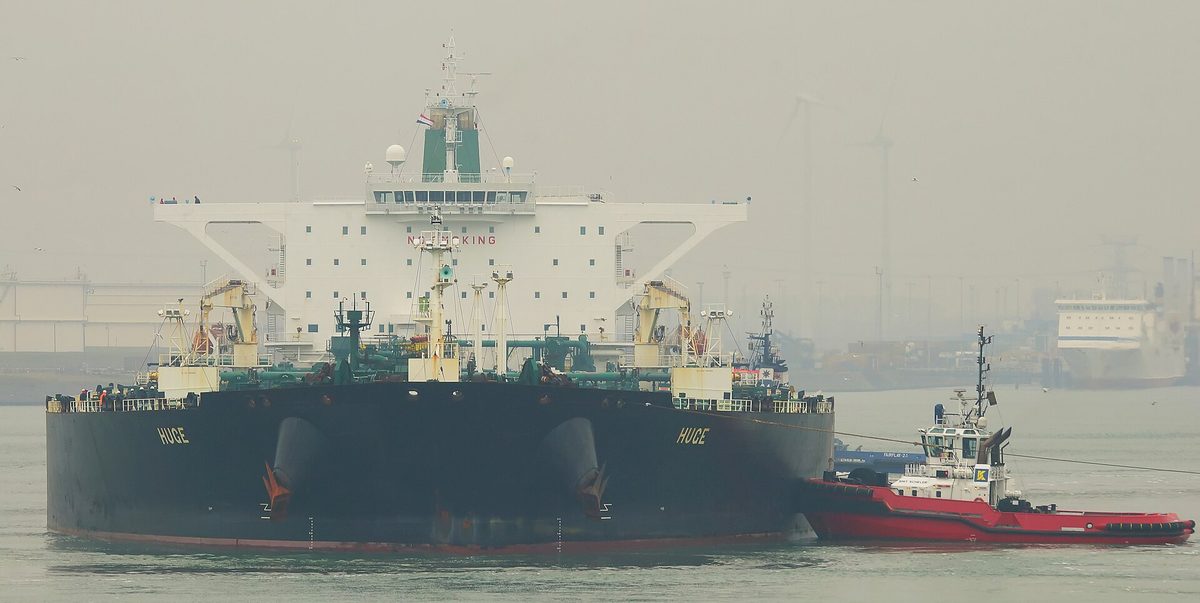
Three oil tankers struck naval mines and caught fire around the Strait of Hormuz on Saturday, Iranian state television reported, citing statements from the paramilitary Revolutionary Guard and the Iranian Navy. Two tankers were hit inside the strait, while a third was burning east of the chokepoint, the report said, and it gave no details about casualties, the tankers' nationalities or their destinations.
The Iranian navy later confirmed that a Saturday mine strike in the Strait of Hormuz set three oil tankers ablaze, according to state media. The Guard and the Navy said the vessels had switched off their radar and positioning systems and were using unauthorised routes, and warned that ships using routes through the strait without Iran's approval would face a similar fate. The account comes from Iranian state media, citing the Revolutionary Guard and the Iranian Navy, and no independent confirmation was reported.
Iran has been attacking oil tankers and other shipping in the strait to drive up global energy prices during its war with the United States, according to the Associated Press. The U.S. has imposed a blockade on Iranian ports that has severely disrupted Iran's economy. October recorded the highest number of incidents involving commercial ships in the contested waters since the war began in February.
The strikes are the latest in a series of attacks on shipping through the waterway. They followed Friday's report of a tanker striking a mine in the strait, which Orbit News covered on November 13. No tanker name, flag, owner or crew detail has been given for any of the three vessels, and the Iranian accounts gave no details about casualties, nationalities or destinations.
The fallout was felt in Gulf markets on Sunday. Most Gulf bourses closed lower, with traders weighing the disruption in the Strait of Hormuz alongside Iran-aligned Houthi attacks on Saudi Arabia. Saudi Arabia's benchmark index dropped 0.7 percent to 10,258, with the country's biggest lender by assets, Saudi National Bank, losing 2.3 percent. In Qatar, the index retreated 1.8 percent to 9,848, with all its constituents in negative territory, including the Gulf's biggest lender, Qatar National Bank, which was down 2.3 percent.
On Sunday, the Saudi-led coalition confronting the Iran-backed Houthis said it had downed two ballistic missiles fired at the capital, Riyadh, along with three drones over the kingdom's oil-rich Eastern Province. Houthi strikes on Saudi airports, seaports and energy installations have intensified, and Riyadh has responded by expanding its air campaign against Houthi targets in Yemen.
The Houthis had already claimed drone and missile attacks on a Saudi oil pipeline, Yanbu and Riyadh on Saturday, a claim Orbit News covered on November 14. The coalition's announcement on Sunday that it intercepted missiles aimed at the capital and drones over the Eastern Province shows the conflict is now being fought on two fronts: the strait, where Iran is targeting shipping, and Saudi Arabia, where the Houthis are targeting cities and energy infrastructure.
The disruption has already hit Qatar's liquefied natural gas exports, which took a heavy hit when an Iranian attack in March forced Qatar to declare force majeure on deliveries. A long-standing Gulf LNG contract has now been cancelled on that basis, a first since the conflict began, and analysts say Poland's Orlen could save up to $2 billion, Reuters reported.
The pattern of the past days shows how the war is widening. On Friday, Iran said a tanker had struck a mine in the strait. On Saturday, it said three more had caught fire. On Sunday, the focus shifted to Saudi Arabia, where missiles were fired at Riyadh. Each claim comes from one side, and none has been independently confirmed, but the market reaction and the coalition's interceptions show that traders and governments are treating the threat as real.
What happens next depends on whether the attacks on shipping continue and whether the strait stays open. The strait is one of the world's most important shipping lanes for oil, and any sustained disruption would push up energy prices and deepen the economic strain on a region already hit by war.
Why it matters: The Hormuz attacks matter because the strait is the chokepoint through which much of the world's oil moves, and because the claims - three tankers on fire, missiles aimed at Riyadh - come from one side and cannot be independently verified. The market reaction shows traders are treating the threat as real even without confirmation, and the combination of shipping attacks and Houthi strikes on Saudi Arabia shows the war widening beyond the strait. The next signal that matters is whether the attacks continue and whether the United States responds.
Spot an error? Orbit News corrects articles promptly and notes the correction in the article. See our Editorial Policy, or flag an error by messaging us on Facebook, X, or Instagram.