Technology
Taiwan's AI Server Makers Just Posted a Monster October as Demand Defies the Selloff
Five Taiwanese AI server builders reported combined October revenue of NT$2.02 trillion, up nearly 61 percent from a year earlier, even as AI stocks whipsawed.
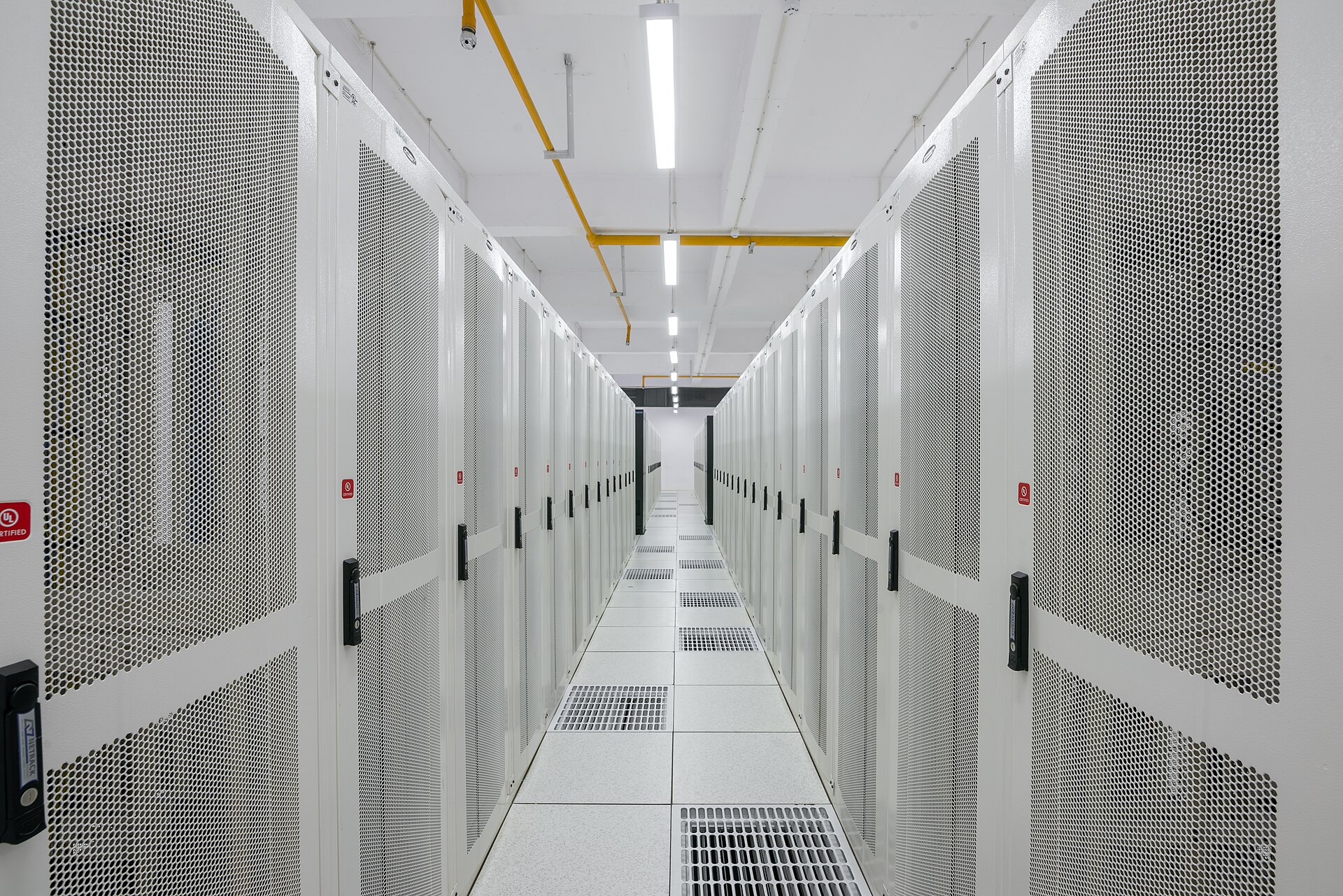
Taiwan's AI server makers just delivered the kind of numbers that make a stock market selloff look like background noise. Five companies that build the servers powering the artificial intelligence boom reported October revenue up between 46 percent and 137 percent from a year earlier, according to their monthly filings on Taiwan's Market Observation Post System, and their combined haul reached NT$2.02 trillion, or roughly $64 billion.
Gigabyte led the pack with a 136.72 percent jump, reporting October revenue of NT$67.0 billion and citing strong demand for AI orders. Wistron was close behind, up 117.56 percent to NT$402.6 billion, while Wiwynn rose 80.94 percent to NT$165.13 billion. Inventec gained 46.02 percent to NT$79.97 billion, and Hon Hai, better known as Foxconn, reported NT$1.31 trillion, up 45.73 percent.
The combined figure tells the bigger story. The five companies took in NT$2,020.1 billion in October, up 60.9 percent from NT$1,255.1 billion a year earlier and 7.8 percent above their combined September total. The year-to-date numbers are just as striking: Wistron is up 99.53 percent for the first ten months of the year, Gigabyte is up 70.72 percent, and Hon Hai is up 40.40 percent.
The filings landed in the middle of one of the wildest weeks the AI trade has seen all year. Twelve AI stocks lost $1.45 trillion in market value on Thursday as investors fretted about regulation and data-center politics, then won back $469 billion of it by Friday's close. The monthly revenue reports, by contrast, describe money already booked, not share prices, and they say nothing about valuations.
That disconnect is exactly what makes the numbers matter. The selloff was driven by headline risk around regulation, not by a change in earnings or demand, and buyers returned to semiconductor stocks on Friday, with AMD up 9.4 percent, Micron up 4.9 percent and Nvidia up 4.3 percent in mid-session trading. The Taiwanese filings give that rebound something concrete to stand on.
Two big names were missing from the October tally. Quanta and TSMC had not filed their October figures when the numbers were checked on the morning of November 7, and the filing deadline is November 10. Their results will complete the picture of how the island's AI supply chain performed last month.
The filings also come with a caveat worth stating plainly. The monthly reports give total revenue only. They do not split AI servers from other products, name customers, or give profit margins, so the headline growth cannot be read as a pure measure of AI demand. Hon Hai's revenue, for example, includes a large non-AI business.
Even with that caution, the direction is hard to argue with. The companies building the physical backbone of the AI boom are growing at rates rarely seen outside a gold rush, and the growth is broad-based rather than confined to a single supplier. Gigabyte's surge, Wistron's near-doubling and Foxconn's steady climb all point the same way.
What happens next depends on whether the demand keeps flowing through the pipeline. Nvidia reports earnings on November 17, which will be the next big test of whether AI hardware demand is holding up. If the Taiwanese server makers are any guide, the orders are still coming in fast, whatever the stock market did this week.
Reporting: FourWeekMBA
Spot an error? Orbit News corrects articles promptly and notes the correction in the article. See our Editorial Policy, or flag an error by messaging us on Facebook, X, or Instagram.
Related from Orbit News
Alphabet's Google Ventures Held $548 Million Qualcomm Stake Through Startup Deal
Technology · Nov 7, 2026
Google's New Gemini Video Model Generates 15-Second Clips for 7 Cents a Second
Technology · Nov 7, 2026