Technology
Apollo and Goldman Sachs Price $44 Billion in Notes to Fund SpaceX's Nvidia Vera Rubin Chips
The debt package, the largest GPU financing ever arranged according to the firms behind it, will pay for Nvidia's next-generation chips for SpaceX's land-based computing buildout, with lease payments starting when the hardware arrives in the first half of 2027.
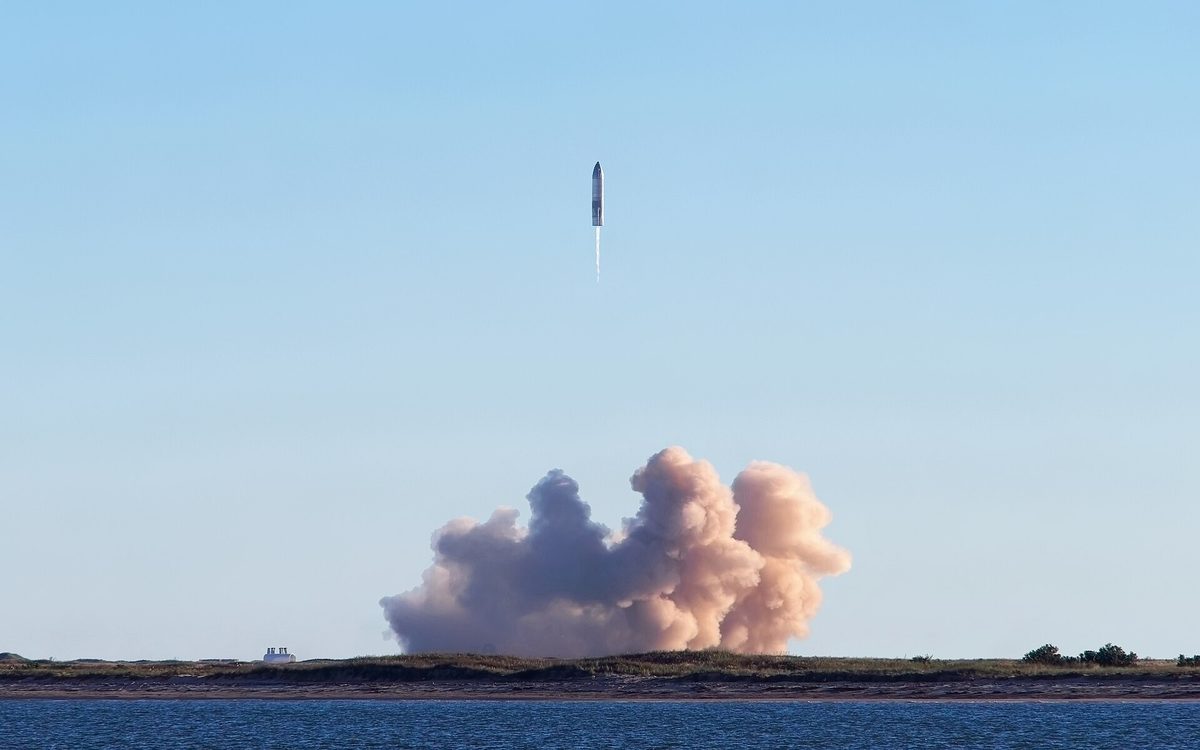
Apollo and Goldman Sachs have priced about $44 billion of senior and subordinated notes to fund the purchase of graphics processing units and related equipment for SpaceX, the two firms announced on Friday, November 20. The deal will deliver Nvidia's next-generation Vera Rubin chips for SpaceX's terrestrial computing buildout, and the companies described it as the largest GPU financing executed to date.
Investor demand exceeded supply, allowing the transaction to be upsized, according to the announcement. The financing was committed by funds and affiliates managed by Apollo and Goldman Sachs, with anchor commitments from funds and accounts managed by BlackRock, Goldman Sachs Asset Management and capital accounts advised by KKR. Apollo Global Securities and Goldman Sachs served as co-global coordinators, while Goldman Sachs acted as sole structuring agent.
Reuters reported the pricing on the individual bond tranches. The largest piece, $25.17 billion of senior secured A3 notes maturing in April 2033, priced at a yield of 8.259 percent, according to a person familiar with the sale. About $4.4 billion of senior secured A2 notes maturing in April 2031 were sold at 7.66 percent, while $2.564 billion of class B subordinated secured notes maturing in April 2033 were sold at 8.36 percent. The three tranches detailed by Reuters total about $32.1 billion, with the wider package reaching roughly $44 billion.
The structure is a lease, not a straight purchase by SpaceX. The company said last month that an affiliate of Apollo Global Management would buy AI chips and server hardware and lease them to SpaceX, with total principal payments of about $40 billion. Lease schedules are expected to begin when the graphics processors and related equipment are delivered, which the firms expect in the first half of 2027.
"SpaceX is one of the most ambitious builders of compute in the world, and we are pleased to have led this financing alongside Goldman Sachs," said Apollo Partner Jamshid Ehsani in the announcement. He added that the transaction reflected Apollo's focus on downside-protected, asset-based structures, in which the chips themselves stand behind the borrowing.
The deal underlines how capital-hungry the artificial intelligence boom has become. Training and running frontier AI models requires enormous fleets of advanced processors, and the companies building that capacity are increasingly funding it with debt tied directly to the hardware. The roughly $44 billion package is far larger than a typical corporate bond sale, and the yield of more than 8 percent on the biggest tranche shows that lenders are charging a steep price for the risk.
Nvidia sits at the center of the transaction. Its Vera Rubin chips are the next generation of the processors that power most large AI systems, and demand for them has outstripped supply since the line was announced. For SpaceX, the chips are destined for a terrestrial computing buildout, a push to expand its data center capacity on the ground alongside its rocket and satellite businesses.
The financing also shows how Wall Street is packaging AI infrastructure as an asset class of its own. By routing the purchase through a leasing structure, SpaceX can deploy the chips without carrying the full cost on its own balance sheet, while investors get a claim on hardware with a known resale market. Similar chip-backed financings have already been arranged for other AI builders, and the size of this one is likely to set a benchmark for the next round.
What comes next is delivery. The lease payments do not start until the Vera Rubin chips and related equipment arrive in the first half of 2027, so the test of the deal will be whether Nvidia can ship at the promised pace and whether SpaceX can put the capacity to work quickly enough to justify the cost. If it works, expect other AI builders to copy the template; if deliveries slip, the high yield on the notes will look less like a bargain and more like a warning.
Why it matters: This is the biggest single bet yet on the idea that AI computing capacity is an asset worth borrowing tens of billions of dollars against, and it ties SpaceX, Nvidia and Wall Street's largest asset managers into one deal. The 8.259 percent yield on the main tranche is the number to watch: it prices the risk that chips lose value fast and that the AI buildout could slow. If SpaceX turns this hardware into revenue by 2027, chip-backed leasing becomes the standard way to fund the AI boom; if not, lenders will rethink how much a warehouse full of processors is really worth.
Spot an error? Orbit News corrects articles promptly and notes the correction in the article. See our Editorial Policy, or flag an error by messaging us on Facebook, X, or Instagram.
Related from Orbit News
U.N. Talks on AI Killer Robots End Without Binding Rules as Countries Agree to Two More Years of Discussion
Technology · Nov 22, 2026
Hackers Breach the FBI's National Crime Database in Second Cyberattack on the Bureau in Months
Technology · Nov 22, 2026