Business
Siemens Energy Triples Annual Profit to 4.1 Billion Euros as Power Demand Surges
Siemens Energy's net profit swelled to 4.13 billion euros in fiscal 2026 as demand for gas turbines and power grids driven by the AI data center boom pushed its order backlog to a record 164 billion euros.
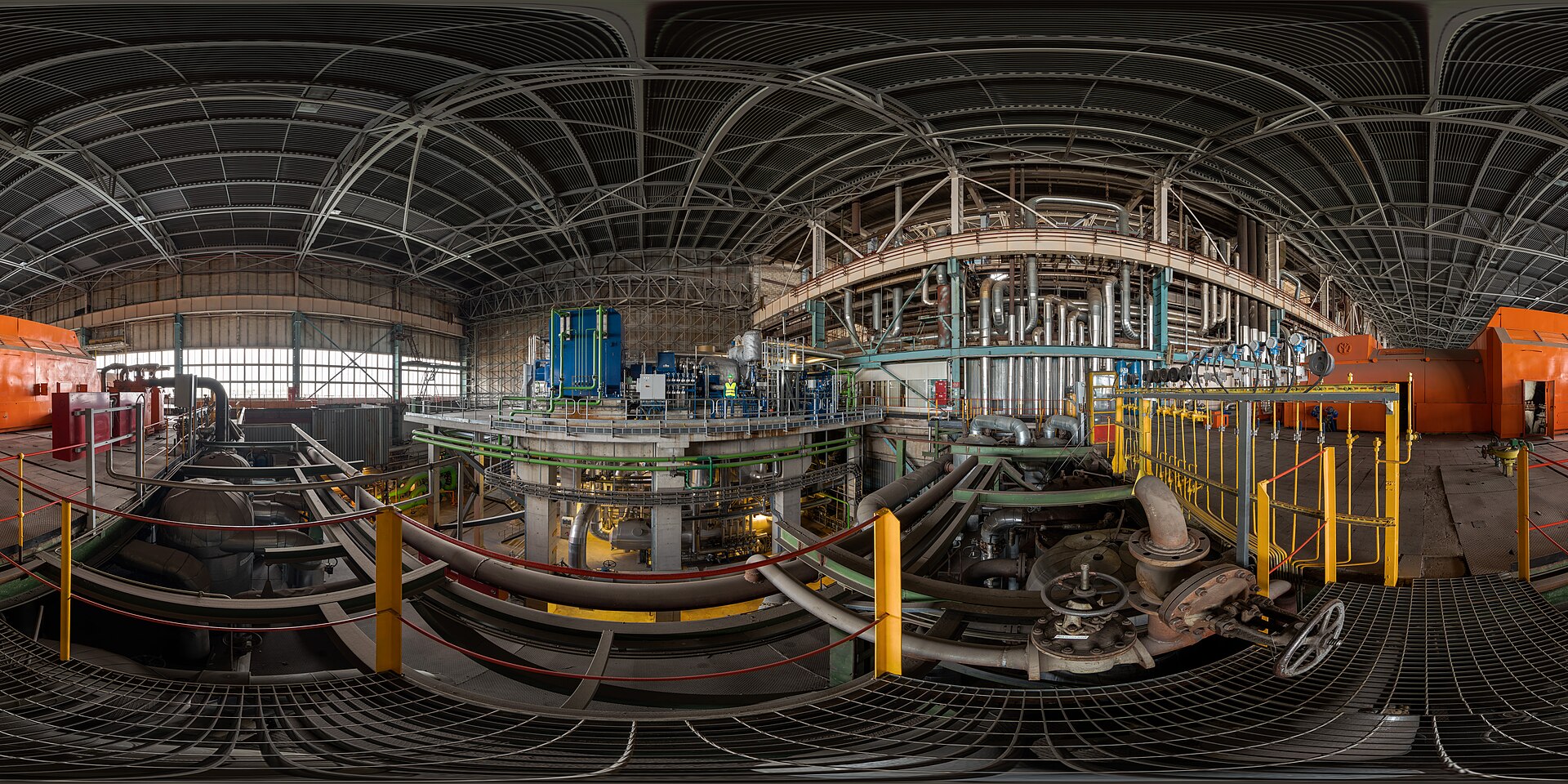
Siemens Energy reported record annual results on Wednesday, with net profit more than doubling and its order backlog reaching a record 164 billion euros, as booming demand for gas turbines and power grids driven by the artificial intelligence buildout powered the German engineering group through its fiscal year. The company also set out ambitious profit targets through 2030 and expanded its shareholder returns, even as its guidance for the coming year came in below some analysts' expectations.
Net profit for fiscal 2026, which ran from October 2025 to September 2026, swelled to 4.13 billion euros, about 2.5 times the prior year's 1.685 billion euros. Revenue rose 15.5% on a comparable basis, excluding currency and portfolio effects, to 44.2 billion euros, while order intake increased 18.8% to 68.1 billion euros. Profit before special items more than doubled to 5.5 billion euros, ahead of analysts' expectations, and the margin jumped to more than 12% from 6% a year earlier. Free cash flow before tax nearly doubled to 8.8 billion euros.
The fourth quarter capped the year with record figures of its own. Revenue reached 12.83 billion euros, and profit before special items surged to 1.54 billion euros from 471 million euros in the same period a year earlier. Earnings per share came in at 1.49 euros, beating the market consensus of 1.38 euros. Both Gas Services and Grid Technologies set record quarterly revenue, and the wind turbine business, Siemens Gamesa, reached break-even for the full year, a milestone in a turnaround that has taken years following quality problems and mounting project costs.
By segment, the power boom showed up across the business. Gas Services revenue increased 20% and Grid Technologies revenue grew 26% in fiscal 2026, and both set record quarterly revenue. Siemens Gamesa posted a result before special items of 8 million euros for the year, compared with a nearly 1.4 billion euro loss a year earlier, though its order intake fell by more than 30% in the fiscal year, which limits optimism for the division. The company plans to expand capacity by more than 50% by fiscal 2030 compared with fiscal 2026 to work through its backlog.
Chief Executive Officer Christian Bruch expects the momentum in the data center buildout to remain intact, adding that expectations around the speed of adding the new infrastructure had become overly exuberant. "Fundamentally, will we see increasing data-center needs and, with this, increasing electrification? Absolutely yes" Bruch told Bloomberg Television. He said less than 10% of the company's order backlog is tied to the boom for data center facilities, and data center customers account for more than a quarter of sales at the Gas Services business. Strong demand is prompting Siemens Energy, one of only three major global manufacturers of large gas turbines, to run some factories around the clock, seven days a week.
For fiscal 2027, the company forecast comparable revenue growth of 14% to 16%, a profit margin before special items of 14% to 16%, net income of about 5 billion euros, and free cash flow before tax of roughly 10 billion euros. The net income forecast sits about 10% below the analyst average of 5.5 billion euros, and the wind division's margin is seen at just 0% to 2%, below the market consensus average of 2.7%, with the slow improvement in wind profitability becoming a drag on the overall group. Roughly 85% of expected revenue for fiscal 2027 is already covered by orders in the backlog.
Over the medium to long term, the company set targets of 12% to 14% average annual revenue growth for fiscal 2026 to 2030 and a profit margin before special items of 20% to 22% in fiscal 2030. Gas Services and Grid Technologies are expected to be the largest contributors. Siemens Energy also said it would prepare its Transformation of Industry business, which makes electrolyzers, steam turbines and compressors, for independence, with options ranging from bringing in outside investors to a potential listing or sale, and the company should be ready to start talks with potential investors during the spring of 2027 while keeping a minority stake of potentially 40%.
Shareholders are being rewarded for the record year. For fiscal 2026, Siemens Energy proposed a dividend of 2.30 euros per share, more than tripling the payout, and the company plans share buybacks of up to 9 billion euros by the end of fiscal 2030, on top of an existing 6 billion euro program. The manufacturer late Tuesday also expanded the buyback, planning to return an additional 9 billion euros, about 10 billion dollars, to shareholders. The company is betting that the global surge in energy demand driven by AI infrastructure and electrification will keep its factories full for years.
Siemens Energy's results offer an industrial view of the AI infrastructure boom that goes beyond chips and servers. Data centers need more than computing power: they require a reliable connection to the grid and enough electricity to operate, often at sites where existing network capacity was not built for large new loads. The company's record backlog shows that demand, but the backlog is not the same as immediate revenue or cash, and converting it depends on execution, capacity, and customer schedules. With 85% of next year's revenue already covered by orders, the question for investors has shifted from whether the demand is real to whether Siemens Energy can build fast enough, and profitably enough, to meet it.
Why it matters: Siemens Energy is the pick-and-shovel play on the AI boom: it does not make the chips, it makes the power that runs the buildings full of chips. A record 164 billion euro backlog and a tripling of profit show that the electricity side of the AI buildout is now as large a business as the computing side, and the company's 2030 margin targets show management believes the demand will last well beyond the current construction wave. The risk is execution rather than demand — a backlog that big has to be built, staffed, and delivered profitably, and the wind division's slow recovery shows how hard that can be. But with 85% of next year's revenue already in hand, Siemens Energy has bought itself time to prove it can convert orders into cash.
Reporting: Energy Connects · ad-hoc-news · Europe Says
Spot an error? Orbit News corrects articles promptly and notes the correction in the article. See our Editorial Policy, or flag an error by messaging us on Facebook, X, or Instagram.
Related from Orbit News

Britain's Economy Grew 0.7% in the Third Quarter, Its Fastest Pace in Two and a Half Years
Business · Nov 12, 2026
Anthropic IPO Demand Swamps the Order Book as Bankers Weigh Pricing Above the Range
Business · Nov 12, 2026