Technology
SEC Is Probing Nvidia as Huang's Departure Deepens the Chipmaker's Crisis
The regulator is investigating whether Nvidia's disclosures misled investors, the Wall Street Journal reported, as the board's own inquiry and a Treasury demand for answers pile pressure on the company.
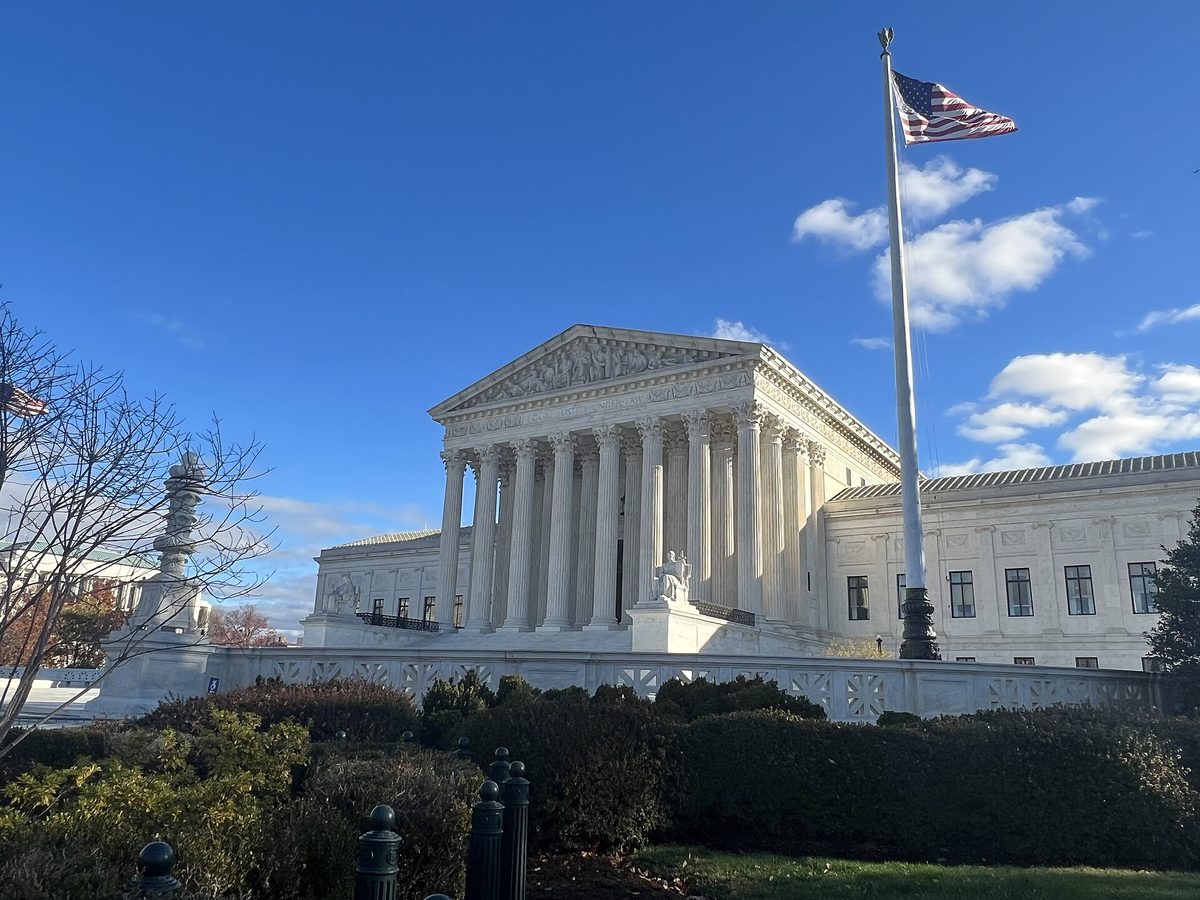
The Securities and Exchange Commission is investigating Nvidia, the Wall Street Journal reported on Tuesday, in a civil investigation that adds a regulator to the list of authorities now scrutinizing the chipmaker after the resignation of chief executive Jensen Huang. The news broke shortly before Nvidia reported its quarterly earnings.
According to the Journal, which cited people familiar with the matter, the precise focus of the investigation could not immediately be learned, but it includes whether the company's disclosures misled investors. The report did not say when the investigation began or what stage it has reached, and the SEC has not commented publicly.
The probe lands in the middle of a crisis that has already wiped out a large part of Nvidia's value. The company's shares have fallen more than 10% since Huang was ousted, as investors weigh the loss of the executive who built Nvidia into the most valuable company in the artificial intelligence boom against the reasons for his departure.
At the center of the affair is Alice Huang, then an executive at the Singapore-based company Megaspeed, with whom Huang was reported to have had a relationship. U.S. intelligence officials believe Alice Huang works for China's intelligence services, and Nvidia denied earlier in 2026 that Huang had an unusual or unexpected relationship with her. Megaspeed was one of several companies using Nvidia chips to set up AI data centers in Southeast Asia and is suspected of diverting some of those products to China. It has been under investigation by the Commerce Department since late 2024, and the Justice Department is now leading multiple investigations involving Alice Huang.
The disclosure question has a concrete history. Nvidia last year changed how it discloses its international chip sales, eliminating a disclosure that showed sales to Singapore, where Megaspeed was based. That change is now part of the backdrop to the SEC's inquiry into whether investors were misled about where the company's chips were going.
Pressure on the company is coming from Washington as well as from regulators. Treasury Secretary Scott Bessent openly questioned this week whether Nvidia knowingly sold powerful chips to China to lift its earnings. "What was the culture at Nvidia and were they pressing these seemingly illicit sales to goose their revenues and their earnings? I think we need answers in the next 10 days from the board and from the outside counsel," Bessent said.
Huang himself addressed the affair in a statement on Tuesday. "I did not live up to the standards expected of everyone at Nvidia. I created problems for the Board that I deeply regret. I own my mistakes completely," he said. Congress has called for investigations, and U.S. lawmakers have summoned Huang to testify.
The board's own inquiry is being led by the law firm Wachtell Lipton, with former federal prosecutor Joon Kim in charge, looking into whether Nvidia was the target of a foreign espionage effort. A committee of independent directors oversees that investigation, and on Tuesday the board formed a National Security and Export Control Oversight Committee. On Monday, the Trump administration said it would further curb China's access to AI chips in neighboring countries, tightening the export rules at the heart of the affair.
The market is watching the governance crisis as closely as the chip business. A Bank of America survey of fund managers found that the top risk they see is an AI bubble, and more than half expect a hyperscaler such as Microsoft to cut capital spending in the next 12 months. Nvidia's next disclosures, and whatever the SEC finds, will shape whether the company's troubles stay a leadership story or become something larger. The Wall Street Journal first reported the investigation, and Reuters confirmed the report.
Why it matters: An SEC investigation changes the character of Nvidia's crisis. A board inquiry and a resignation are corporate governance; a federal investigation into whether investors were misled is a legal exposure that can run for years and reach the company's financial statements. The key question is the disclosure change on Singapore sales: if the SEC finds that investors were kept in the dark about where Nvidia's chips were going, the consequences extend well beyond one executive's conduct. With the Treasury secretary demanding answers within 10 days and the administration tightening chip export rules, Nvidia's political problems are now moving as fast as its legal ones.
Reporting: Wall Street Journal · Reuters
Spot an error? Orbit News corrects articles promptly and notes the correction in the article. See our Editorial Policy, or flag an error by messaging us on Facebook, X, or Instagram.
Related from Orbit News

Anthropic IPO Set to Price Above Its $70–$78 Range as Orders Swamp the Offering
Technology · Nov 18, 2026
Microsoft Unveils Seven New MAI Models at Ignite, Taking Aim at Anthropic and OpenAI
Technology · Nov 18, 2026