Politics
White House Warns Incoming Oversight Democrats Their Probes Could Be Criminal
White House counsel William Scharf told the Democrat set to chair the House Oversight Committee that the party's planned subpoenas of the Trump administration "may cross the line into blatant criminality," setting up a confrontation before Democrats take power in January.
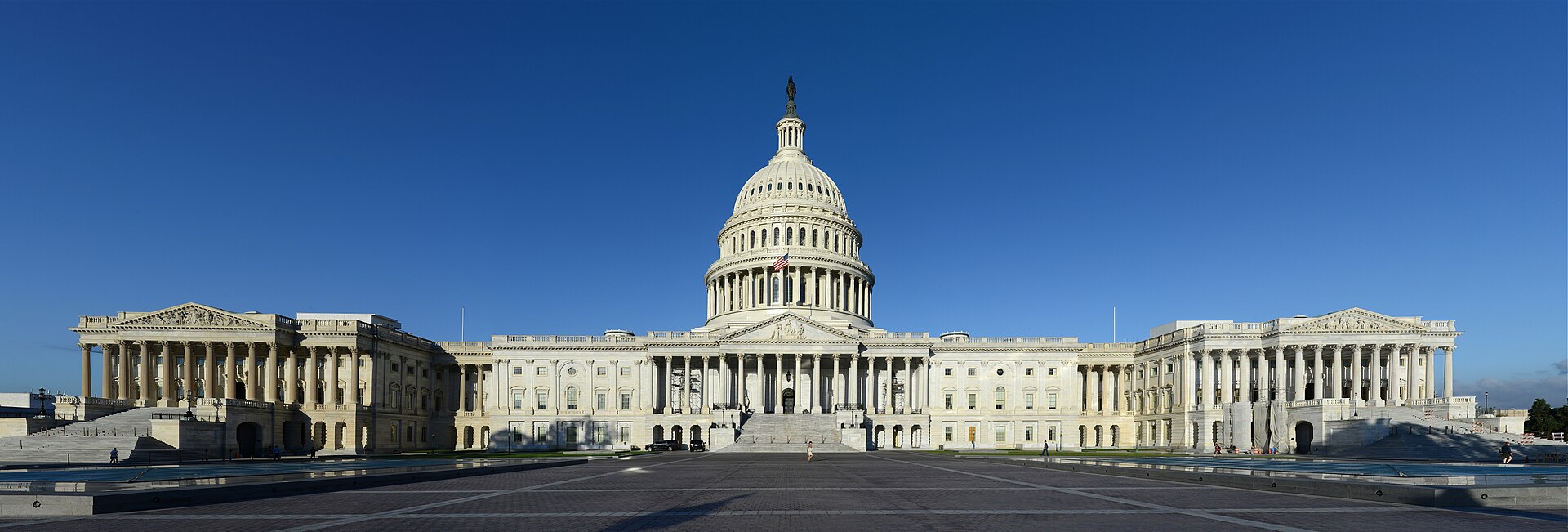
The White House has warned the Democrat set to lead the House Oversight Committee that investigations targeting the Trump administration could be considered criminal and themselves worthy of investigation, in a letter that landed days after Democrats swept the midterm elections. White House counsel William Scharf sent the letter on Monday, November 9, to Representative Robert Garcia of California, who is in line to chair the committee when the new Congress takes power in January, and it was not disclosed publicly until Wednesday, November 11.
"Threats to executive branch officials designed to deter them from public service, or process designed merely to abuse or instill fear in the recipient may cross the line into blatant criminality. And issuing unlawful subpoenas with the intention of depriving citizens of their constitutional rights and privileges may warrant further investigation," Scharf wrote, in language reported by Reuters. The letter said members of the new Congress had shown "a clear intent to transgress" the constitutional limits on congressional investigations and subpoenas.
Scharf wrote that the administration is "monitoring the abusive and capricious threats that are now proliferating from Democrat legislators who seek to abuse the legislative process to intimidate and to interfere with the lawful functioning of government." The letter cited Supreme Court precedent holding that any congressional investigation must serve a legitimate legislative purpose rather than punish the people being investigated, and it argued that the Democrats' public pledges showed a different intent.
The letter pointed to a series of comments from Democratic lawmakers since the midterm election, including Garcia's election-night post on X that read simply "LAWYER UP." and Representative Emily Randall of Washington, who said Democrats were "going to be passing out subpoenas like candy", and Representative Analilia Mejia of New Jersey, who said, "We're going to toss out subpoenas like Mardi Gras beads." Scharf wrote that such comments "make it abundantly clear that any forthcoming investigative processes will be deployed to harass and aggrandize, rather than to advance any legitimate legislative end."
Garcia rejected the warning on Wednesday, saying the committee would continue its work despite threats from the administration. "It appears Donald Trump has something to hide," Garcia said in a statement posted on the House Oversight Democrats' X page. "Congress' authority comes from Article I of the Constitution, not from permission of the White House. Congress has wide latitude to conduct investigations and oversight, an authority inherent in the power to legislate." He added that the Trump administration "continues to weaponize the government with threats of unconstitutional attacks on Congress" and that Democrats "will not be deterred by baseless threats from a weaponized DOJ or from the President's lawyers."
House Democrats have signalled they may pursue investigations into the tech mogul and Trump ally Elon Musk, the Trump family's cryptocurrency fortune, Trump's construction projects, the Iran war, and the actions of Defense Secretary Pete Hegseth. Those topics would all fall under the Oversight Committee's jurisdiction once Garcia takes the gavel in January, and the committee would gain subpoena power it has lacked during four years of Republican control.
The warning came days after Trump ordered the Justice Department on Saturday to look into Democrats for "threatening a lot of people" with impeachment and other forms of punishment, saying in a social media post that their actions amount to a "criminal act," without providing evidence. The two moves together amount to a coordinated White House effort to frame the incoming Democratic oversight agenda as unlawful before a single subpoena has been issued.
Under Republican control for the past four years, the House Oversight Committee investigated the business dealings of former President Joe Biden's son Hunter Biden, the former president's use of an autopen to sign official documents, the 2021 withdrawal from Afghanistan, the origins of COVID-19, and migration on the southern border. Democrats now argue that the same tools Republicans used against the last administration should be available to them, while the White House argues that the Democrats' stated aims cross a line the earlier investigations did not.
The letter's contents were confirmed by multiple outlets on Wednesday. Scharf closed by telling Garcia that "the Trump administration expects members of Congress to discharge their investigative functions within settled constitutional limits" and that "the Administration will not be extorted and will not be cowed by unlawful process motivated by animus, pettiness, hatred, or any other unlawful motive to intimidate, penalize, or interfere with the lawful functioning government." Neither side has shown any sign of backing down, and the first test of the standoff will come in January, when Garcia's committee begins issuing the subpoenas the White House has now warned could be treated as crimes.
Why it matters: This letter is the opening move in the defining fight of the next two years of divided government. Democrats won both chambers of Congress on a promise to hold the Trump administration to account, and the Oversight Committee is their sharpest tool for doing it, with subpoena power over the president's family business, his allies, and his war decisions. The White House is trying to set the terms of that fight before it begins, arguing that the Democrats' own rhetoric proves their investigations would be harassment rather than oversight. Garcia's defiant reply shows the strategy has not worked as deterrence. What happens next depends on whether the Justice Department acts on the threat, and whether the courts, which have repeatedly upheld broad congressional investigative power, accept the White House's reading of its limits.
Reporting: Reuters · USA Today
Spot an error? Orbit News corrects articles promptly and notes the correction in the article. See our Editorial Policy, or flag an error by messaging us on Facebook, X, or Instagram.