Politics
House Oversight Report Says Federal Government Failed Epstein Survivors for Decades
The Republican-led committee's 15-month investigation concluded that Epstein's crimes after 2005 could have been prevented, and it called on the Justice Department to re-interview witnesses and give survivors unredacted access to their own records.
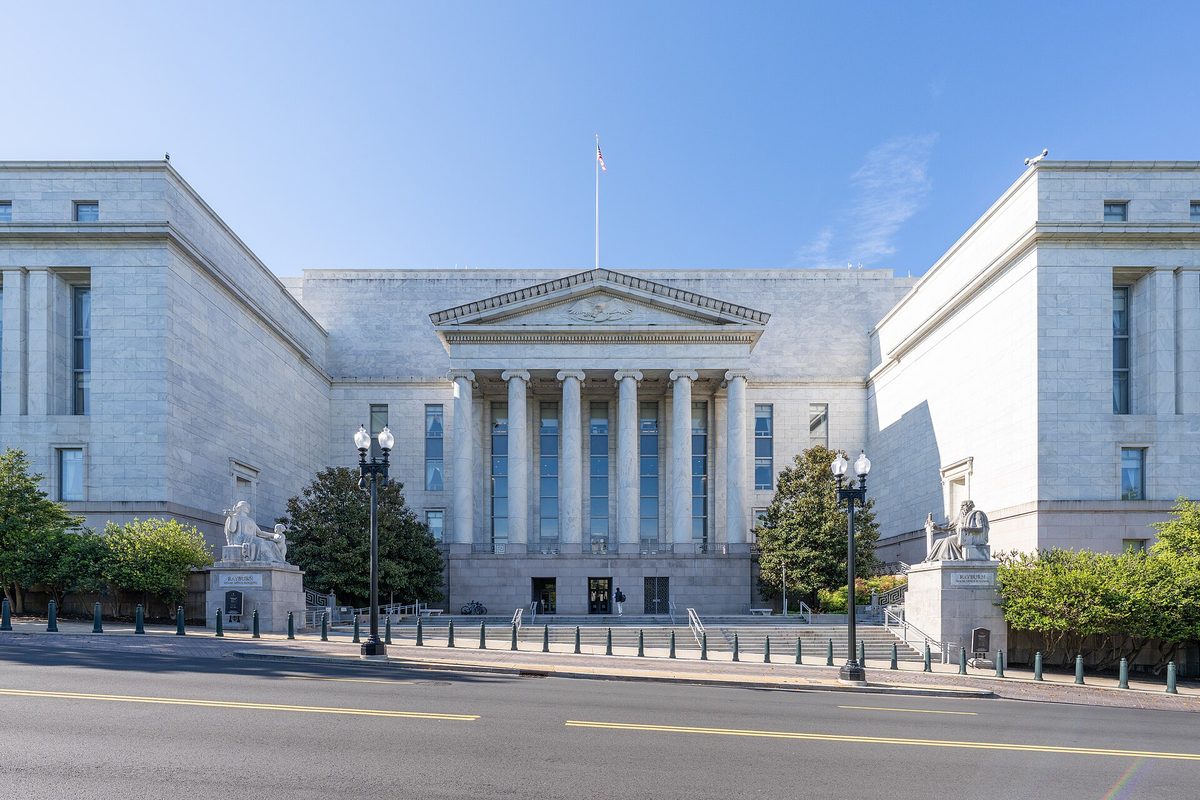
The Republican-controlled House Oversight Committee released a report on November 10 concluding that the federal government mishandled criminal investigations into Jeffrey Epstein and Ghislaine Maxwell and failed survivors for decades, closing a 15-month investigation with a set of recommendations that put the next steps in the hands of the Justice Department.
The majority staff report, titled “A Review of the Federal Government's Mishandling of the Jeffrey Epstein and Ghislaine Maxwell Criminal Investigations”, draws on 19 transcribed interviews and depositions, documents released by the Department of Justice and the Epstein estate, and an extensive review of financial records. “The federal government has failed the survivors of Jeffrey Epstein and Ghislaine Maxwell's horrific crimes for decades”, committee chair James Comer, a Republican from Kentucky, said in announcing the report.
The report's central finding is blunt: the crimes Epstein committed after 2005 could have been prevented — and justice served — if not for failures by federal investigators and prosecutors in South Florida and Washington, D.C. The committee found that the United States Attorney's Office for the Southern District of Florida entered into a non-prosecution agreement with Epstein in 2007, allowing him to evade federal prosecution in exchange for pleading guilty to lesser state charges, and that prosecutors failed to inform the alleged survivors of the agreement.
The investigation heard from 19 people, including former President Bill Clinton and former Secretary of State Hillary Clinton, Microsoft co-founder Bill Gates, and Commerce Secretary Howard Lutnick. The committee stressed that appearing in the Department of Justice's Epstein files or before the committee is not necessarily an indication of criminal wrongdoing.
The report also found that the Justice Department did not adequately communicate about the release of the Epstein files or protect survivors' personal information after the Epstein Files Transparency Act became law in November 2025, which ordered the department to publicly release all unclassified records regarding the Epstein case. And it concluded that some financial institutions failed to act on indicators of human trafficking and immigration fraud, enabling Epstein's activities.
The committee's recommendations are aimed at the department and at Congress. It called on the Justice Department to interview or re-interview key witnesses, further investigate allegations of criminal activity involving Epstein's associates — including his former assistant Lesley Groff, about her potential knowledge of Epstein's alleged crimes and her role in facilitating them — and provide survivors with unredacted access to their records. It also urged the Treasury Department and the Financial Crimes Enforcement Network to review whether banks and other institutions are meeting their obligations to report suspicious activities.
Congress, the report says, should pass the Survivor's Voice Protection Act, H.R. 10389, introduced by Chairman Comer, to ensure witnesses and survivors of sexual crimes are not deterred from speaking freely by nondisclosure agreements. “Epstein operated with impunity, shielded and enabled by powerful connections and a justice system that repeatedly failed his victims,” Comer said.
The report also addressed the question that has shadowed the Epstein case for a year. It found that the facts revealed by the investigation do not suggest President Donald Trump was implicated in any of Epstein's crimes, and it accused Democrats of launching an effort to politicize the investigation. Epstein was arrested on federal sex-trafficking charges in 2019 and later died in prison; the report did not overturn the official finding of suicide regarding his death, but it did highlight serious security lapses at the prison.
Democrats on the committee have signalled that the inquiry is not over. Representative Robert Garcia of California, who is expected to chair the committee when Democrats take the majority in January, has said the investigation is “just getting started”, and Democrats have called for more investigation into the government failures the report documents. The report puts the next steps in the Epstein investigation into the hands of the Justice Department, saying the agency needs to interview or re-interview witnesses and investigate crimes committed by Epstein's associates.
The report landed in the same week as two other Epstein developments: a federal judge's order that the Justice Department publish previously withheld FBI interview notes by November 23, and a discharge petition that gathered the signatures needed to force a House vote on a second Epstein files bill in early December. Together, they amount to three tracks — congressional, judicial and legislative — all pressing the same question: what the government knew, when it knew it, and why it did not act.
Why it matters: This report matters because it is the Republican-led committee's own verdict on its 15-month investigation, and it is unsparing about the government's failures across multiple administrations — the 2007 non-prosecution agreement, the mishandled investigations, the banks that missed trafficking indicators. It also matters for what it does not do: it clears Trump of implication on the facts it reviewed, and it leaves the hard work — re-interviewing witnesses, investigating associates, giving survivors their own unredacted records — to a Justice Department that is already fighting a court order to publish more material by November 23. With Democrats taking the committee in January, the report is likely to be a starting point rather than a conclusion.
Reporting: House Committee on Oversight and Government Reform · WNCW
Spot an error? Orbit News corrects articles promptly and notes the correction in the article. See our Editorial Policy, or flag an error by messaging us on Facebook, X, or Instagram.
Related from Orbit News

China Confirms First-Ever Trump–Xi–Putin Meeting for Thursday in Shenzhen
Politics · Nov 16, 2026
Peltola's 50% Problem: Why a Lead of 11,213 Votes Has Not Settled Alaska's Senate Race
Politics · Nov 16, 2026