Business
Oil Rebounds From Two-Month Lows as Hormuz Attacks Offset Truce Hopes
Brent climbed back above $92 as shipping attacks hit a record, even as OPEC output rose and the EIA forecast prices near $100.
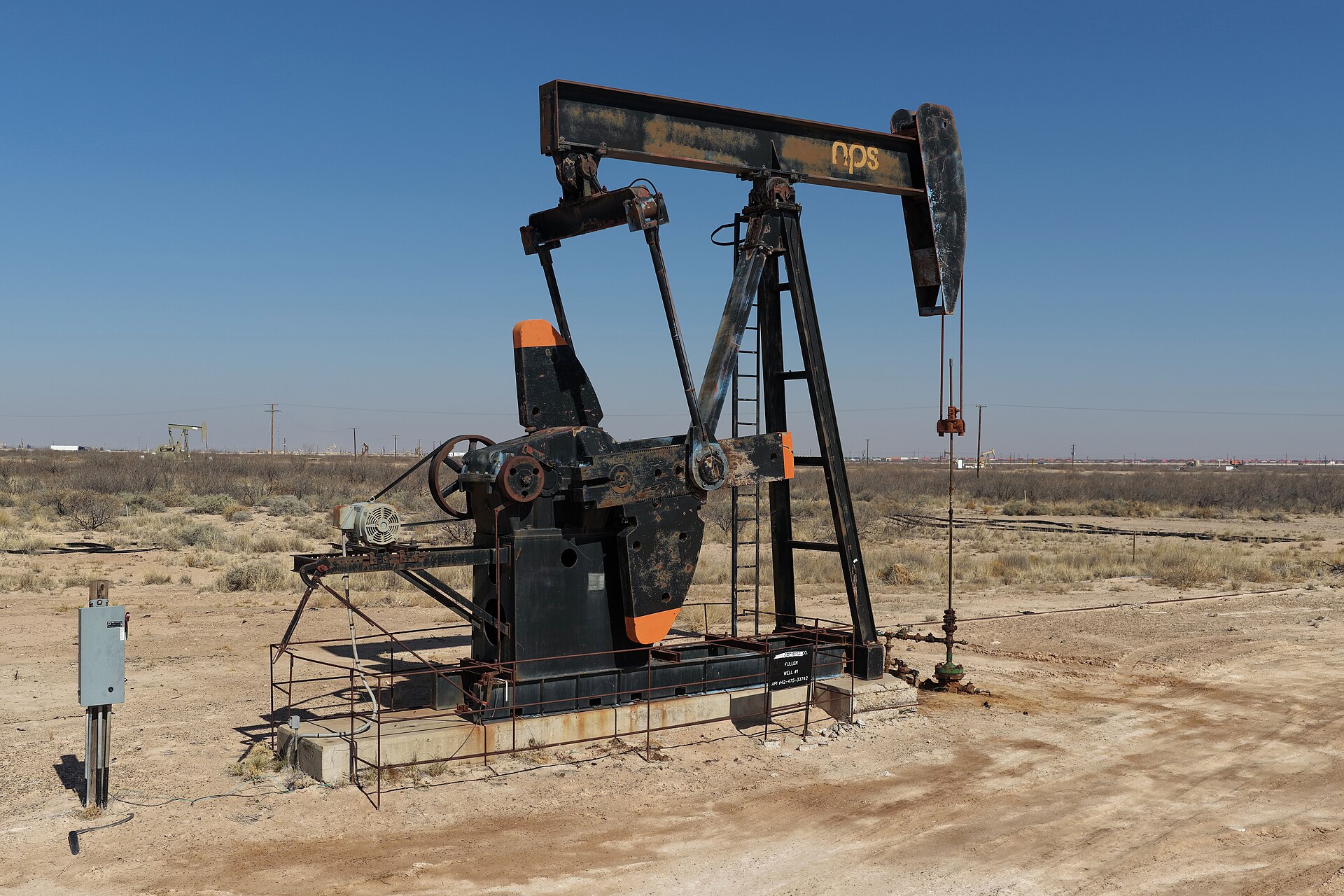
Oil prices rose on Wednesday, recovering from two-month lows as continued attacks on shipping in the Strait of Hormuz raised concerns about supplies, even as hopes grew for an easing of tensions between the United States and Iran. Brent crude climbed about 1 percent to 92.36 dollars a barrel, while United States West Texas Intermediate gained 0.59 percent to 86.55 dollars a barrel, after both benchmarks had briefly fallen to their lowest levels in two months earlier in the week.
The rebound followed a sharp slide on Tuesday, when the December West Texas Intermediate contract settled at 86.04 dollars a barrel, down 81 cents, and the January Brent contract settled at 91.49 dollars, down 1.08 dollars. December WTI had settled at 104.12 dollars on October 30, meaning the United States benchmark has fallen almost 20 percent from its late-October peak in less than two weeks.
The shipping threat is the main reason prices found a floor. Data from the Washington Institute for Near East Policy showed that 37 vessels were attacked in the Strait of Hormuz and surrounding waters during October, the highest monthly total since the Middle East war began, and 10 attacks have been recorded so far in November. About 20 percent of global seaborne crude flows through the strait, so each incident adds a risk premium to the price of every barrel.
At the same time, traders are weighing signs that the war itself may be cooling. In the previous session, oil prices briefly fell more than 3 dollars a barrel after United States officials downplayed further military action against Iran, but they recovered after an Iranian security official denied that talks were ongoing. The mixed signals have left the market swinging between war fears and truce hopes from one session to the next.
Supply data is sending mixed signals of its own. Oil output from the Organization of the Petroleum Exporting Countries rose in October, increasing by 1.38 million barrels per day from the previous month to 22.87 million barrels per day, according to a Reuters survey. October's output was 90 percent of the level produced in February, the last month before the Iran conflict began, suggesting the cartel's production has largely recovered.
OPEC and its allies have moved to steady the market. Seven OPEC+ countries, Saudi Arabia, Russia, Iraq, Kuwait, Kazakhstan, Algeria and Oman, met virtually on November 1 and decided to maintain September 2026 required production levels for December 2026, and their next meeting will be held on November 29. Traders and analysts expect the group to pause planned output hikes to defend an 85 to 95 dollar price floor.
The United States Energy Information Administration added its own forecast on Tuesday in its November Short-Term Energy Outlook. The agency said crude prices rose for a third consecutive month in October as falling global inventories, attacks on oil tankers in the Persian Gulf, constrained shipping capacity and higher transportation costs tightened supply, and it expects the Brent spot price to remain near 100 dollars a barrel for the remainder of this year before gradually falling to an average of 77 dollars a barrel in the fourth quarter of 2027.
Russia's supply is tightening for a different reason. The country's refining capacity has been cut by roughly 30 percent since late October following renewed Ukrainian drone strikes, removing fuel from a market that is already on edge. The administration also forecasts that the United States Strategic Petroleum Reserve will reach new lows in the coming months because of additional Iran- and hurricane-related withdrawals.
For consumers, the whipsaw in crude prices has been a rare piece of good news after months of war-driven spikes. Oil's slide below 100 dollars has eased pressure on gasoline prices and on the economies of big importers, and analysts say the market's next move will depend on whether the Hormuz attacks continue, whether the United States and Iran find a diplomatic path, and what OPEC+ decides on November 29.
Reporting: Stocktwits
Spot an error? Orbit News corrects articles promptly and notes the correction in the article. See our Editorial Policy, or flag an error by messaging us on Facebook, X, or Instagram.