Entertainment
The Odyssey Arrives at Home Today After a Four-Month Theatrical Run
Christopher Nolan's $1.8 billion epic hits digital and disc on Tuesday, 123 days after it opened in cinemas — and returns to IMAX screens in December.
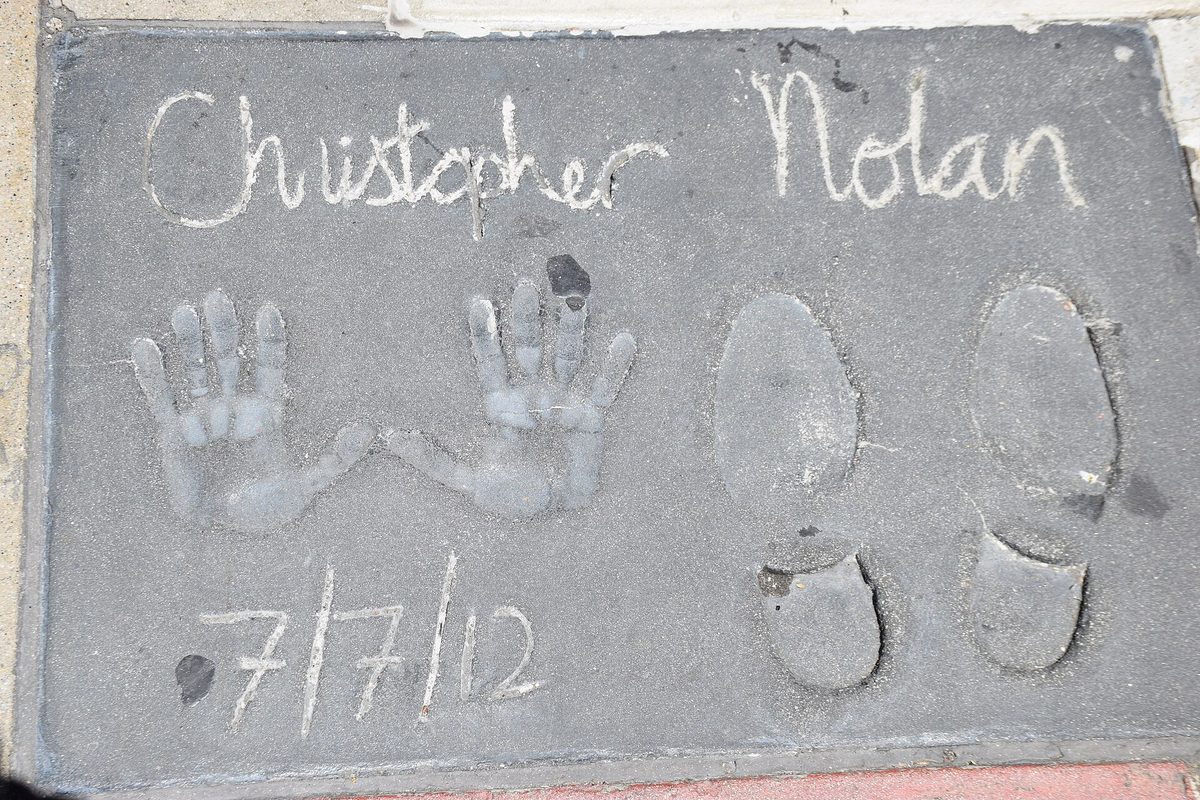
Christopher Nolan's The Odyssey comes home on Tuesday, November 17, arriving on digital retail and disc exactly 123 days after it opened in cinemas — a four-month theatrical window that now looks like a deliberate statement about how big films should be released. Universal is releasing the film to own digitally for $19.99 and on DVD, Blu-ray and 4K Ultra HD, with a rental option also available. The 123-day gap is the same window Universal gave Oppenheimer, Nolan's previous film.
The numbers behind the release are extraordinary. The Odyssey has taken $1.8 billion worldwide, with $625.6 million from domestic cinemas and $1.175 billion from overseas, making it the highest-grossing film of Nolan's career and the highest-grossing film in Universal Pictures' 114-year history. It is the second-biggest film of 2026, behind only Spider-Man: Brand New Day.
The figures explain why Universal was willing to wait: a film that earns that much in cinemas does not need to rush to the living room.
The home release is loaded. The 4K Ultra HD edition costs $29.95 and the Blu-ray $24.95, and there is a $300 limited-edition gift set that includes a Steelbook case, a hardcover book about the making of the film, an Imax film cel and a certificate of authenticity. Nolan oversaw 12 behind-the-scenes featurettes, adding up to more than 90 minutes of bonus material. For a director famous for controlling every aspect of how his films are seen, the package is the closest thing to a director's cut the home market will get.
The film itself was a gamble that paid off. Shot entirely on IMAX film — the first narrative feature ever made that way — it retells Homer's epic with Matt Damon as Odysseus, supported by a cast that includes Tom Holland, Anne Hathaway, Robert Pattinson, Lupita Nyong'o, Zendaya and Charlize Theron. The decision to shoot on 65mm film, and to insist on a long exclusive theatrical run, was widely questioned when the film was announced. The box office has answered the question.
The Odyssey is not done with cinemas yet. Universal has scheduled an IMAX 70mm theatrical re-release for December 11, 2026, on more than 1,000 screens in the United States and Canada, giving audiences who missed the first run — or who want to see it again on the largest possible screen — another chance. The film is not yet available on any subscription streaming service, and it is expected to reach Peacock in around February 2027, though that has not been confirmed.
The four-month window is the real story here. In an era when many films arrive at home within weeks of their cinema debut, Nolan and Universal held the line for 123 days, and the film earned $1.8 billion for it. The result will be cited by every director who wants a longer theatrical run and every studio executive who argues that the cinema is still the best place to launch a film. It is also a rebuke to the idea that audiences will not wait: they waited, and they came.
For viewers, the choice is now simple. The digital edition is available from Tuesday on Prime Video, Apple TV, Fandango at Home and YouTube Movies and TV, and the discs follow the same day. The $300 gift set is aimed at collectors, but the standard editions carry the same 90 minutes of bonus material. The film that defined the summer is now, finally, a film you can watch at home.
Why it matters: The Odyssey's home release is less interesting for what it contains than for what it proves. A 123-day theatrical window, a film shot on 65mm, a director who refused to compromise on format — and $1.8 billion later, the old model looks less like nostalgia and more like a business plan. Studios have spent years shortening windows to feed streaming services; Nolan and Universal just showed that patience can be worth hundreds of millions. The question now is whether anyone else has the nerve, and the film, to try it.
Reporting: Media Play News · ScreenRant
Spot an error? Orbit News corrects articles promptly and notes the correction in the article. See our Editorial Policy, or flag an error by messaging us on Facebook, X, or Instagram.