Politics
Judge Blocks Trump's 250-Foot Triumphal Arch Within an Hour of Final Approval
Judge Tanya Chutkan halted all work on the 250-foot monument less than an hour after planners approved it, ruling that Congress never authorized the project.
A federal judge blocked construction of President Donald Trump's planned 250-foot triumphal arch in Washington on Thursday night, less than an hour after a federal planning commission gave the project its final approval. The ruling, which bars any construction work for 14 days, is the latest legal setback for one of the most controversial building projects in the capital in decades.
The National Capital Planning Commission voted 8-4 to approve the arch at around 10:29 p.m. on Thursday, November 5, after a marathon public hearing that lasted more than eight hours. More than 120 citizens lined up to testify, and the overwhelming majority urged the panel to reject the project, including veterans who said it would desecrate the approach to Arlington National Cemetery. The commission, which is made up mostly of Trump appointees, approved the plans anyway.
Within the hour, U.S. District Judge Tanya Chutkan issued a temporary restraining order barring the administration from 'initiating, making or otherwise effectuating' any construction-related activity at the site. The order covers construction, excavation, demolition, land-disturbing work, utility installation, roadway closures and any other activity connected to building the arch. Administration officials had told the court that work could begin as soon as the commission approved the project, and the White House had said construction might start immediately.
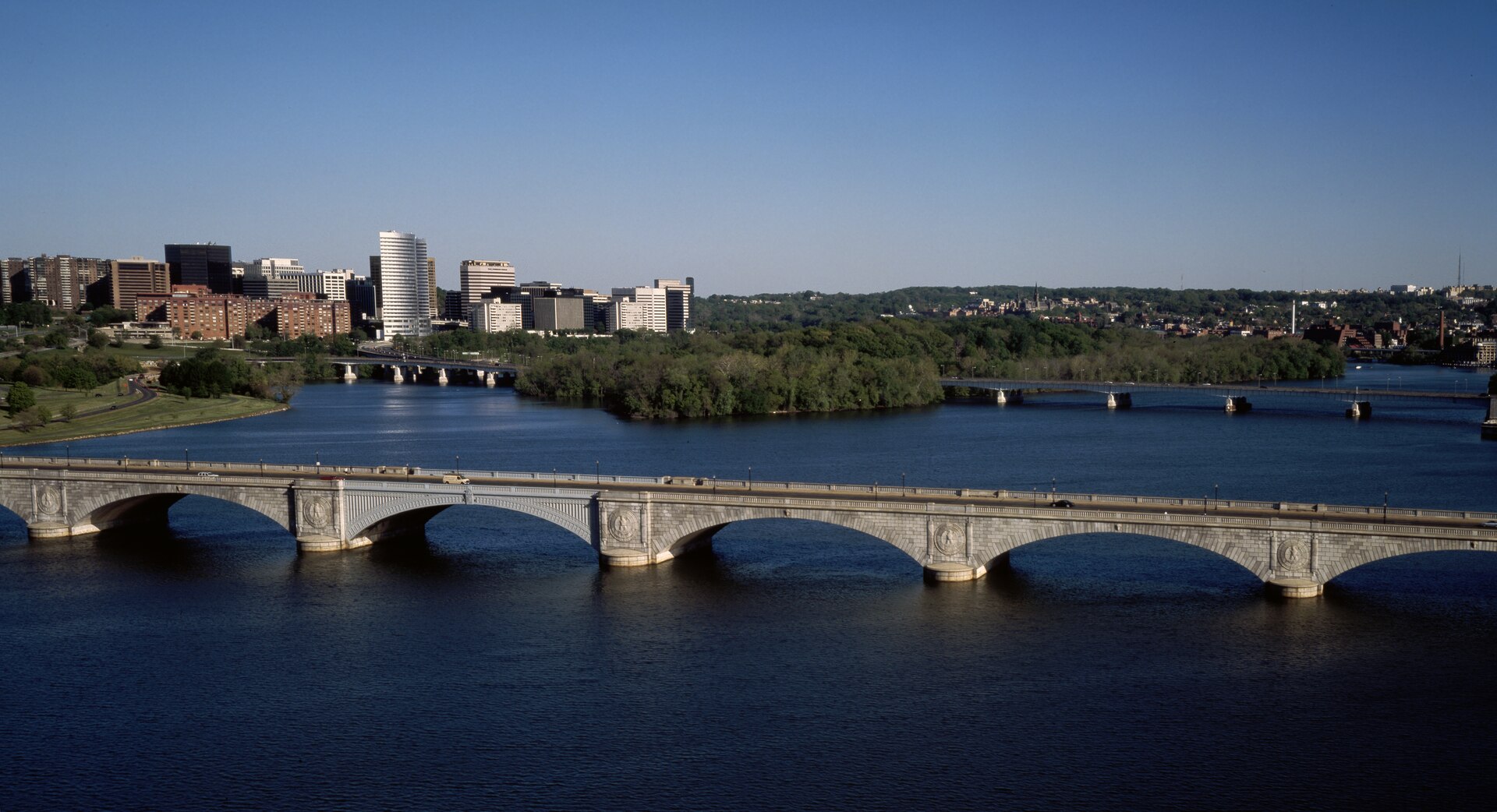
The arch would rise at Memorial Circle on Columbus Island, on the traffic circle between the Lincoln Memorial and Arlington National Cemetery, connected by the Arlington Memorial Bridge. At 250 feet tall, it would stand more than twice as high as the 99-foot Lincoln Memorial. The design calls for gold statues on top, six stairways, five elevators and an observation deck for visitors. The National Park Service says the arch is meant to honor the nation's 250th anniversary, and construction would take about three years. Cost estimates have run as high as $100 million, though a final figure and a funding path have not been settled.
Judge Chutkan's order came in a lawsuit brought by the District of Columbia and Virginia, which sued the National Park Service and the Department of the Interior on October 31 to stop construction before it began. A separate lawsuit was filed in February by three Vietnam veterans and Calder Loth, a former senior architectural historian for the state of Virginia, who argue the project lacks congressional authorization and would damage a historic sightline.
In her memorandum opinion, Chutkan found that the District and Virginia had shown certain harm from the project, including clogged traffic, damage to the environment, disruption to disaster preparedness and significant costs they would have to bear to monitor and mitigate those effects. She also found that Congress has not enacted any statute authorizing the arch, rejecting the government's argument that a 1925 law gives it the authority to build. And she dismissed the Justice Department's claim that the arch serves an important national security purpose, calling it a 'belated and unsupported assertion' that did not change her analysis.
The ruling is only a pause, not a final decision. The temporary restraining order runs for 14 days while Chutkan considers whether to block construction for the duration of the litigation. The government must file a status report with the court by Monday, November 9, certifying that it has complied with the order and notified everyone involved that no work may begin. The underlying lawsuits, including the veterans' case and the District and Virginia case, will continue to move through the courts.
The White House reacted angrily to the ruling. A spokesperson said on Friday that the White House 'commends the National Capital Planning Commission's decision to fully approve President Trump's historic vision to build a much needed Triumphal Arch in Washington, D.C.,' and blamed an 'activist district court' for blocking the project. The administration has not said whether it will appeal the temporary order, but it has signaled that it intends to keep fighting for the arch in court.
The fight over the arch has become a proxy battle over how the capital's most sacred ground should be treated. Supporters describe it as a fitting monument for the country's 250th birthday, a grand gateway between the Lincoln Memorial and the cemetery where more than 400,000 service members are buried. Opponents, including many veterans, say a 250-foot monument on that spot would overwhelm the landscape, block the view from the Lincoln Memorial toward Arlington and commercialize ground that should remain solemn and undeveloped. The land at Memorial Circle has been undeveloped green space since the circle was built in 1940.
For now, the arch exists only on paper. No ground has been broken, no road has been closed and no equipment has been moved to the site. Whether it ever rises over the Potomac will depend on what Judge Chutkan decides in the coming weeks, and on whether the administration can convince a court that Congress has given it permission to build on some of the most visited ground in America.
Reporting: CNN
Spot an error? Orbit News corrects articles promptly and notes the correction in the article. See our Editorial Policy, or flag an error by messaging us on Facebook, X, or Instagram.
Related from Orbit News
Congress Returns to a Lame-Duck Sprint: Funding Deadline, Hegseth Fight and Epstein Files on the Agenda
Politics · Nov 9, 2026
Trump Says Dana White Press Secretary Offer Was 'Only Kidding'
Politics · Nov 9, 2026