Politics
Judge Rules Agriculture Secretary Rollins' Religious Mass Emails to Staff Went Too Far
A federal judge in San Francisco ruled that Agriculture Secretary Brooke Rollins' Christian holiday emails to 100,000 USDA workers violated the First Amendment's establishment clause.
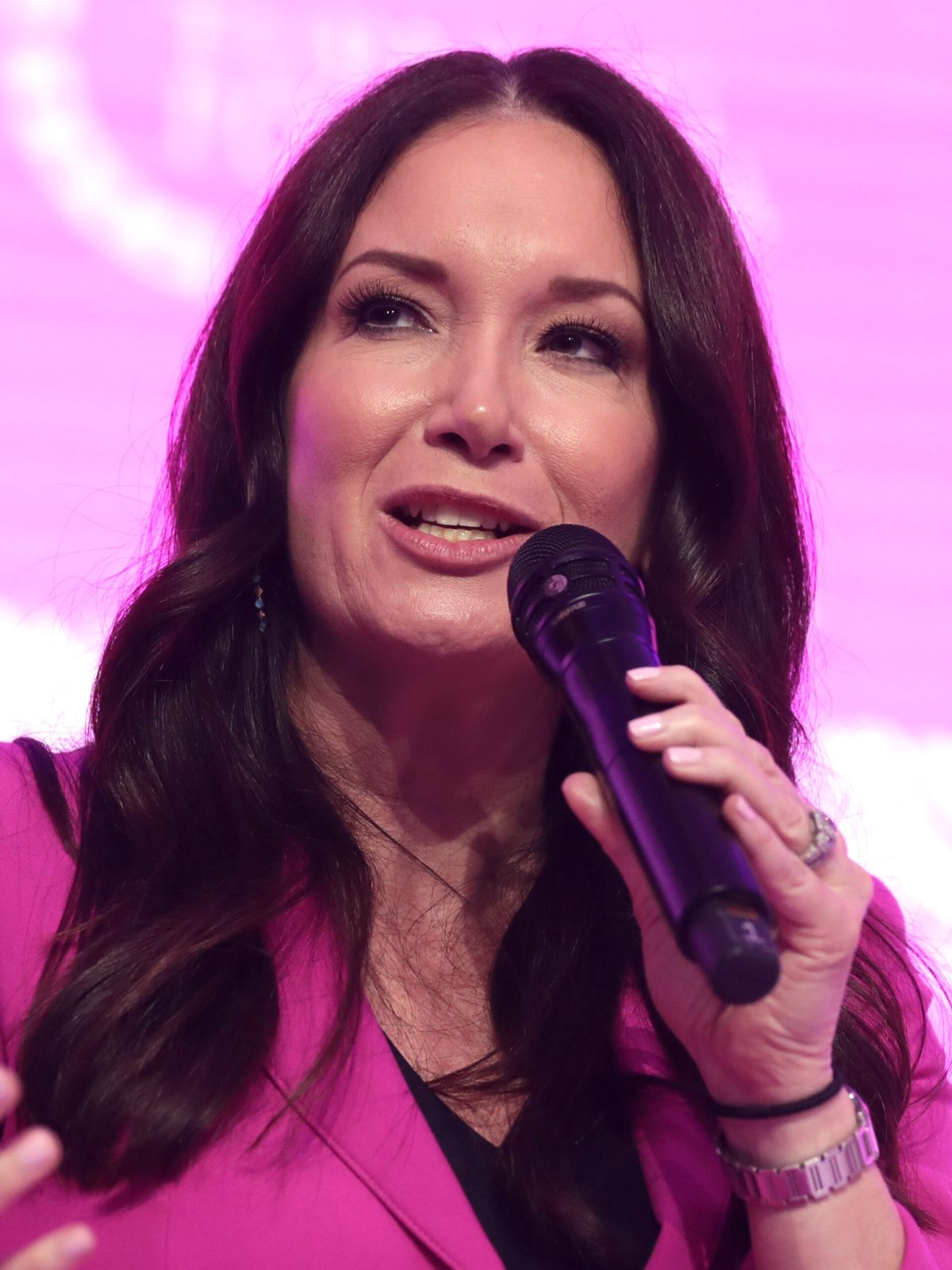
Religious messages that Agriculture Secretary Brooke Rollins emailed to the agency's 100,000 employees were unconstitutional, and she must be careful to avoid proselytizing when communicating with workers, a federal judge ruled Thursday. U.S. District Judge Trina Thompson in San Francisco said the emails violated the First Amendment's establishment clause, pointing to Rollins' position of authority, her use of an official email account and the messages suggesting that Christianity is the shared faith of USDA workers.
Rollins sent the messages, which included Christian messages and images, from her official email account on holidays such as Independence Day, Thanksgiving, Christmas and Easter. She did not send messages commemorating holidays from other religions. In an April 5 email marking Easter, she wrote: And so, like the very first disciples to encounter our risen Lord in the Upper Room almost two thousand years ago, this Easter let us too be alive with hope, full of Paschal joy, and confident in the mission each of us has been called for.
The Easter message also described the holiday as the greatest story ever told, the foundation of our faith and the abiding hope of all mankind, language the lawsuit said assumed every recipient was Christian. Judge Thompson agreed, ruling that the emails suggest acquiescence that amounts to coercive pressure, a pressure of conformity sufficient to raise an Establishment Clause violation. She wrote that by comparing federal employees to the very first disciples and calling on them to carry out the mission each of us has been called for with Paschal joy, the secretary was portraying the agency's work as a mission to serve her particular Christian views.
The judge's reasoning turned on power, not just content. Employees cannot realistically opt out of reading emails from their agency director, Thompson ruled, and the messages could coerce them to hide their own faith or feel pressure to adopt Rollins' Christian faith. At least one USDA employee was prevented from opting out of receiving the messages, and the court found it illogical to expect employees to choose at their discretion which of the secretary's emails to read and which to ignore.
Thompson's November 19 order blocked Rollins from taking similar actions while the lawsuit continues, and it set boundaries drawn from the USDA's own policy on workplace religious expression, a policy Rollins herself adopted. When disseminating religious messages, Rollins must stop if a colleague asks her to stop, cannot create a hostile work environment through persistent unwelcome advances, and cannot use official authority to pressure subordinates. The judge called some of the messages worrisome and said Rollins had portrayed the agency's work as a mission to serve her particular Christian views.
The ruling does not bar Rollins from expressing her faith. Thompson ruled that even when acting in her official capacity as secretary, Rollins may discuss her religious beliefs with interested colleagues, share why her faith is meaningful to her, politely invite co-workers to religious services or events, and express her religious views in appropriate conversations. The order, Thompson stressed, says nothing about the value of prayer or those who believe in its power.
Six USDA employees and the National Federation of Federal Employees, a labor union representing 19,000 USDA workers, brought the suit in May. The complaint argued that the emails violate the First Amendment, which bars the government from respecting an establishment of religion, and the Administrative Procedure Act. Thompson dismissed the plaintiffs' claims under the Administrative Procedure Act, saying Rollins' messages did not constitute an official agency rule or order, while allowing the constitutional claim to proceed.
Reaction split along familiar lines. The union's president, Randy Erwin, called the ruling an important victory for the First Amendment, and plaintiff Ashley Miller said she was heartened and relieved by the decision, adding that it was scary to come forward but that she was proud to have done so knowing it would help everyone across USDA. A USDA spokesperson called the ruling a completely unprecedented attempt to muzzle a Cabinet secretary and said the department is evaluating all options, including a prompt appeal.
The case now moves toward a fuller hearing on the constitutional claim, with the preliminary injunction in place and an appeal under consideration. Whatever the outcome, the ruling draws a line that reaches beyond one secretary's inbox: a Cabinet official may speak about faith, but may not use the machinery of a 100,000-person department to make one religion sound like the agency's own.
Why it matters: The ruling matters because it tests where a Cabinet secretary's personal faith ends and the government's voice begins. Rollins did not order anyone to pray; she sent holiday messages from an official account to 100,000 subordinates, in language that treated Christianity as the department's shared faith, and the court said that is enough to coerce. The case will now be watched across the administration, where several Cabinet officials have made public religious expression part of their leadership style, and the appeal — if the USDA files one — will decide whether the boundary Thompson drew holds.
Spot an error? Orbit News corrects articles promptly and notes the correction in the article. See our Editorial Policy, or flag an error by messaging us on Facebook, X, or Instagram.
Related from Orbit News

Trump Orders Federal Contractors to Alert White House Before Sharing Information With Congress
Politics · Nov 21, 2026
Justice Department Drops Bid to Block Certification of Peltola's Alaska Senate Win
Politics · Nov 21, 2026