Technology
Intel Signs First External Customer for 18A as Yields Hit 70%, CEO Says
Intel says a customer has signed up for its most advanced chipmaking process, a milestone for a foundry business that has been fighting to prove it can win outside work.
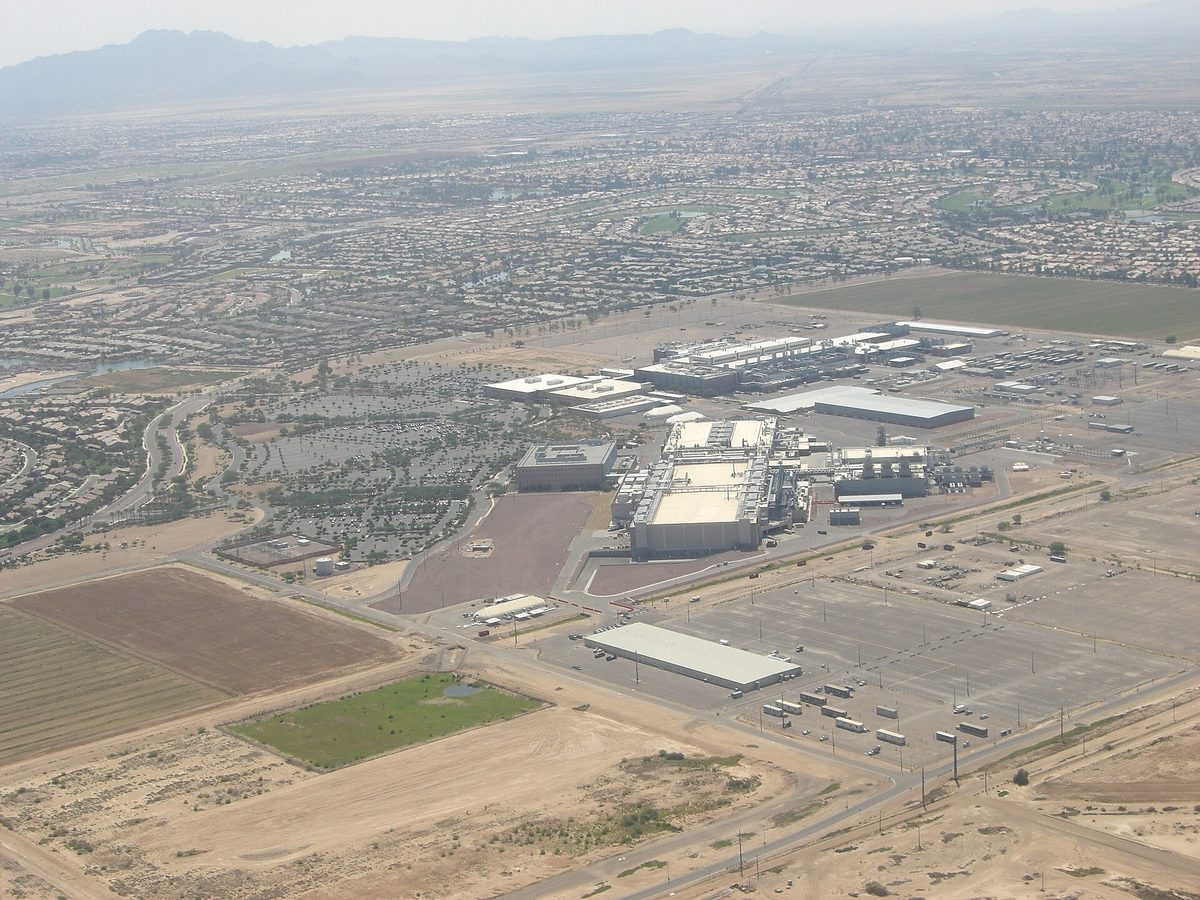
Intel has signed its first external customer for its 18A chipmaking process, chief executive Lip-Bu Tan said on Tuesday, November 18, at the company's TomorrowX Summit in Austin, Texas. The announcement is the first time Intel has confirmed outside work for the process node at the heart of its bid to become a major contract chipmaker.
The customer was not named, and Intel gave no details of the terms, the volumes, or the timing of production. What is known is that the customer signed up for 18A-P, the enhanced-performance version of the process, according to Intel's chief technology officer, Pushkar Ranade, who confirmed the detail on X. The 18A-P variant entered risk production in June.
Yields on the process have reached 70%, according to Crypto Briefing, meaning that about seven in ten chips coming off the line work well enough to sell. That is a sharp improvement from the position when Tan took over as chief executive in March 2025, when yields were reported to have been, in his own description, horrible. Good yields matter because they decide whether a foundry can make chips cheaply enough to compete.
The 18A process is built around two technologies that Intel says are firsts for the industry. RibbonFET replaces the traditional transistor shape with stacked ribbons of silicon, and PowerVia moves the power delivery to the back of the chip, freeing space on the front for more connections. Together, they are meant to give 18A chips a speed and efficiency edge over rivals.
Intel also tied the news to a separate partnership with Microsoft. The software giant will use Intel's EMIB advanced packaging technology for its own Azure silicon, and the two companies have agreed a multi-year supply deal for Intel's Xeon server processors, including the Diamond Rapids generation. The Microsoft deal is a different arrangement from the new 18A customer, but it adds another big name to Intel's foundry customer list.
The company gave more detail about the health of the process on its third-quarter earnings call. Intel said yields on 18A had improved at a double-digit rate, wafer output had beaten expectations, and the 18A-P version was on track to launch by the end of the year across its internal product portfolio. The first external customer is the next step, because it shows that a company other than Intel itself is willing to trust the process with its own designs.
Intel's foundry business has been under pressure for years. The company spent heavily to build new factories in the United States and to catch up with Taiwan's TSMC, the world's dominant contract chipmaker, but it has struggled to win the kind of outside customers that would fill those factories. The Wall Street Journal reported earlier this year that Intel had held talks with Apple about making chips for the iPhone maker, though no deal was announced.
The road ahead is still long. Intel's next process, 14A, is not expected to enter production until late 2027, and its first external customers for that node are not expected until 2028 or 2029. The company also has to show that the first 18A customer turns into real volume, because a single signed deal is not the same as a factory running at full capacity.
For Tan, who took over in March with a mandate to turn the company around, the announcement is the first concrete sign that the foundry strategy is working. Whether it becomes the start of a real business, or just one deal, will depend on what follows: a named customer, a product, and chips shipping in volume.
Why it matters: This is the milestone Intel's foundry bet has been waiting for. The whole strategy of spending tens of billions on new factories depends on winning customers other than Intel itself, and a first signed deal for 18A, with yields at 70%, is the first evidence that the process is good enough for someone else to bet on. The caveat is how little is known: no name, no volume, no revenue. Intel has made similar promises before, and the test now is whether this deal turns into a named product and real orders, and whether the Microsoft packaging and server deal that came with it grows into something bigger.
Reporting: Data Center Dynamics · Crypto Briefing
Spot an error? Orbit News corrects articles promptly and notes the correction in the article. See our Editorial Policy, or flag an error by messaging us on Facebook, X, or Instagram.