Technology
Google's Gemini Can Now Turn a Hand-Drawn Sketch Into a Working App
Photograph a paper mock-up, ask Gemini to code it, and Canvas will build a clickable prototype you can refine in plain English, Google says in a new walkthrough.
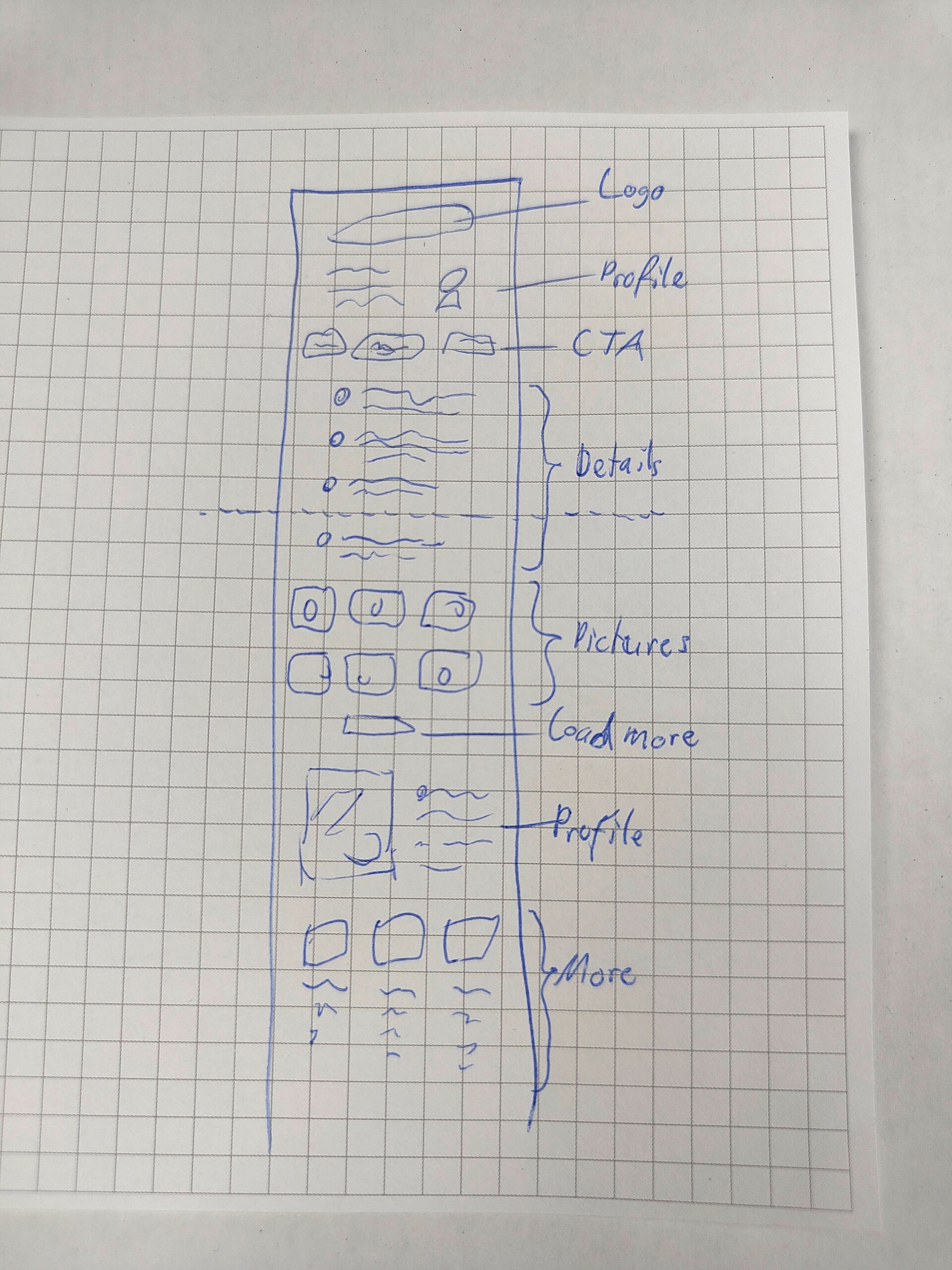
Google has added a sketch-to-app capability to Gemini's Canvas workspace, letting users photograph a hand-drawn mock-up and ask the chatbot to build a functioning web application from it. The company detailed the feature in a blog post published on November 5, 2026, showing how a drawing on paper can become a working prototype in a few steps.
The workflow is deliberately simple. Upload a picture of a sketch, an app mock-up, a habit tracker or a game board, select the Canvas tool in the prompt bar, and ask Gemini something like, Can you code this app? The model reads the drawing, works out what each box and button is supposed to do, and writes the code. The result runs in a preview window inside Canvas, where it can be tried out immediately.
Refining the prototype works the same way. Users can ask in plain English for different colors, fonts, layouts or new features, and Google says Gemini can adjust them in real time. The idea is that a sketch becomes a starting specification, and conversation becomes the editing tool, with no coding knowledge required from the person who drew the original idea.
The feature builds on Canvas, the interactive workspace Google introduced in March 2025 as a space for refining documents and code. Canvas was upgraded with Gemini 2.5 models in May 2025, giving it the ability to assemble working applications from plain-language descriptions. The new capability swaps text prompts for visual ones, using a sketch as the starting point instead of a written description.
Canvas already handles HTML and React web app prototypes as well as Python scripts, and the sketch feature sits on top of that existing code-generation stack rather than replacing it. For apps that need to remember data between sessions, Gemini automatically provisions a Firestore database instance, according to Google's documentation. Canvas apps can be shared through a public link, with support for sharing app data between users and saving data across sessions and devices.
That sharing model comes with a privacy warning that users should understand before they build anything sensitive. Canvas apps are distributed through public links, and anyone holding such a link can both view and edit the shared data in a multi-user app. Google warns users not to provide sensitive or private information in a shared app, and shared links open only on the Gemini website, not in the Gemini mobile app.
The announcement came without benchmarks. Google has not published accuracy figures for how faithfully generated code reproduces a given sketch, nor estimates of how much development time the workflow saves. A sketch is also an imprecise specification, and Gemini's reading of it is a guess, an educated one, but a guess. Nobody has published a side-by-side test of photographed-sketch-to-app conversion yet, so any claim about which tool does it best would be speculation.
Google has also not said which Gemini model powers the feature, whether it is available on free and paid tiers alike, or whether usage limits apply. Canvas is available to all Gemini users in the countries and languages where the Gemini app is available, and Google AI Pro and Ultra subscribers get access with Gemini 3 and a 1-million-token context window for more complex projects, but the company has not tied the sketch feature to a specific plan.
The feature is part of a wider race to lower the barrier to building software. Rival tools already let users describe an app in words and get working code back, and the sketch workflow extends that idea to people who think on paper first. Product managers, designers, teachers and small business owners who sketch ideas in notebooks are the obvious audience, and the preview window lets them test an idea before treating it as finished software.
For now, the honest takeaway is that the workflow exists, it is documented, and it is available to try. Google's own video from October 2025 had already shown the core sequence of sketch upload, code generation, preview and conversational revision, and the November blog post turns that demonstration into a documented feature. What it does not yet offer is proof of how accurately it reads a rough drawing, or how far a prototype built this way can go before a developer needs to take over.
Reporting: Google
Spot an error? Orbit News corrects articles promptly and notes the correction in the article. See our Editorial Policy, or flag an error by messaging us on Facebook, X, or Instagram.
Related from Orbit News

OpenAI Reportedly Raises $11 Billion at a $1.25 Trillion Valuation, Far Short of Its Original Target
Technology · Nov 8, 2026
GitHub Lets Admins Run Copilot Code Review by API, From the Whole Company Down to One Repo
Technology · Nov 8, 2026