Politics
Epstein Files Vote Could Come as Soon as Dec. 2, After Thanksgiving Recess
The discharge petition for a second Epstein files bill reached 218 signatures this week. Under House rules, the earliest floor action would come right after the Thanksgiving break.
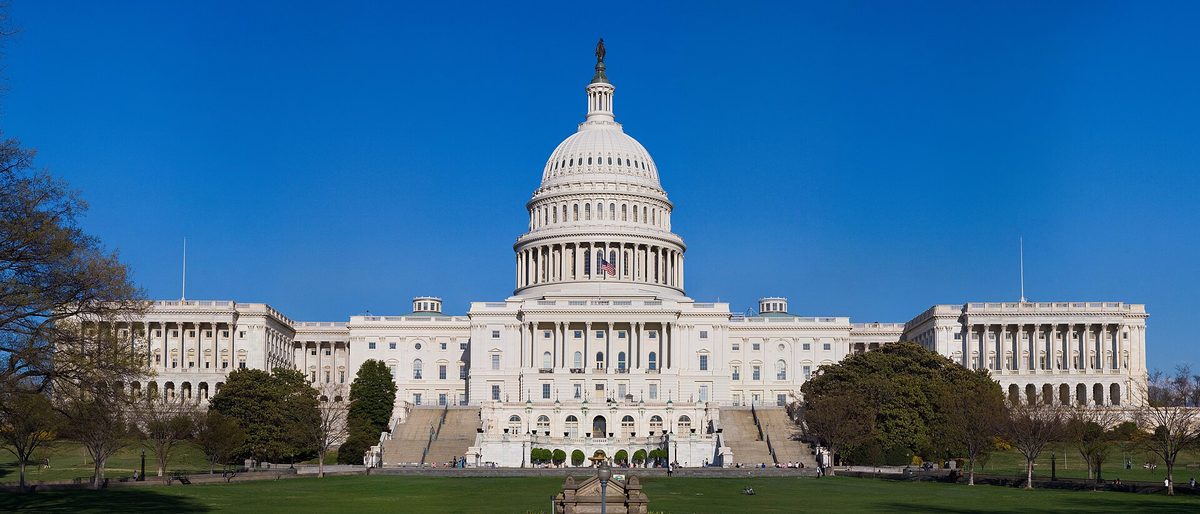
The House could vote as soon as December 2 or 3 on a second bill forcing the Justice Department to release its Jeffrey Epstein files, after a discharge petition for the measure reached the 218 signatures needed to force it to the floor. The timing matters because Congress is about to leave for its Thanksgiving recess, and the bill must clear both chambers before the session ends on January 3.
The petition hit 218 on Wednesday, when Rep. John Garamendi of California added his name. It was the second signature of the week: Rep. Adam Smith of Washington signed earlier, and the petition had been sitting one signature short for days. Every Democrat in the House — all 214 of them — signed, along with four Republicans: Reps. Thomas Massie of Kentucky, Nancy Mace of South Carolina, Ralph Norman of South Carolina and Brian Fitzpatrick of Pennsylvania. All four Republicans are lame ducks who are leaving Congress in January.
The bill, the Epstein Files Transparency Act II, would go further than the first Epstein files law that Congress passed last year. It would allow state attorneys general, local prosecutors, members of Congress and Epstein survivors to sue the attorney general over records they say were withheld or improperly redacted under the first law, and it would let victims see unredacted records about themselves. Rep. Massie, a co-sponsor, announced the milestone on X: "This morning we reached the required 218 signatures on my discharge petition for Epstein Files Transparency Act II."
The petition's success does not mean a vote comes immediately. Under House rules, the motion must sit on the calendar for at least seven legislative days, and then one of the signers must offer a motion to bring it up. The Speaker then has two legislative days to act, and if the motion passes, the House would consider the bill itself. Because the House is heading into its Thanksgiving recess, the earliest that sequence can play out is the week after the break — potentially December 2 or 3, according to ABC News.
The dispute at the heart of the bill is what the Justice Department has actually turned over. Massie alleges the department continues to withhold more than three million Epstein files and is over-redacting the material it has released. The department, for its part, says it has released nearly 3.5 million pages, including 2,000 videos and 180,000 images, under the first law — and that the release, which began in January, was the largest document production in its history.
The first law has its own history, and it explains why supporters of the second bill say it is needed. Congress passed the Epstein Files Transparency Act in November 2025 by a 427-1 House vote, after Massie forced it to the floor with a discharge petition. President Donald Trump signed it on November 19, 2025. The department then released a first batch of documents on December 19, 2025, but survivors and lawmakers said the redactions were too heavy and too much material was missing.
The petition is the latest example of a tool that has become unusually common this Congress. Discharge petitions have succeeded eight times in the 119th Congress, a frequency that reflects how often the House leadership's control of the floor has been circumvented by a coalition of Democrats and a handful of Republicans. The first Epstein files bill was one of those successes.
Even if the House passes the second bill, its path is narrow. It would still need to clear the Senate before the current session ends on January 3, and then be signed by Trump. The first bill faced the same obstacles and cleared them — but that was a year ago, and the lame-duck session has only weeks left. The Senate has not yet scheduled any action on the second bill.
The bill's supporters argue that the timing is deliberate. The petition was filed in July, and Massie and co-sponsor Rep. Ro Khanna of California have been collecting signatures for months, with Reps. Pramila Jayapal and Teresa Leger Fernández also involved. They say the department's slow and heavily redacted releases show that the first law did not do enough, and that only a private right of action — the ability for victims and prosecutors to sue — will force a complete disclosure.
Orbit reported on Wednesday that the petition had reached 218 signatures and was heading for the floor. What has emerged since is the date: the earliest the House can act is the first week of December, and the clock after that runs fast. If the bill passes the House in that window, the Senate will have about a month to act. If it does not, the second Epstein files bill dies with this Congress — and the fight over the records starts over in January, under a new majority.
Why it matters: This is a sequential update to Orbit's November 12 report that the petition had reached 218 signatures — the new information is the date. The seven-legislative-day rule and the Thanksgiving recess push the earliest possible vote to December 2 or 3, and that timing is what makes the story urgent: the bill still needs the Senate and the president's signature before January 3, so a December vote leaves almost no margin for error. The vote would also be a test of whether the bipartisan coalition that forced the first Epstein files law to the floor still holds.
Reporting: ABC News · CBS News
Spot an error? Orbit News corrects articles promptly and notes the correction in the article. See our Editorial Policy, or flag an error by messaging us on Facebook, X, or Instagram.
Related from Orbit News

Van Hollen Challenges Schumer for Senate Majority Leader in First Contested Race in Decades
Politics · Nov 13, 2026
Peltola's Lead Grows to 5,800 Votes in Alaska's Uncalled Senate Race as Judge Rejects Ballot-List Request
Politics · Nov 13, 2026