World
Delhi Ranked the World's Most Polluted Major City on the Eve of Diwali
Air quality hit a US index reading of 581 on Saturday morning, double that of the next-worst city, as officials warned the smog could worsen over the festival weekend.
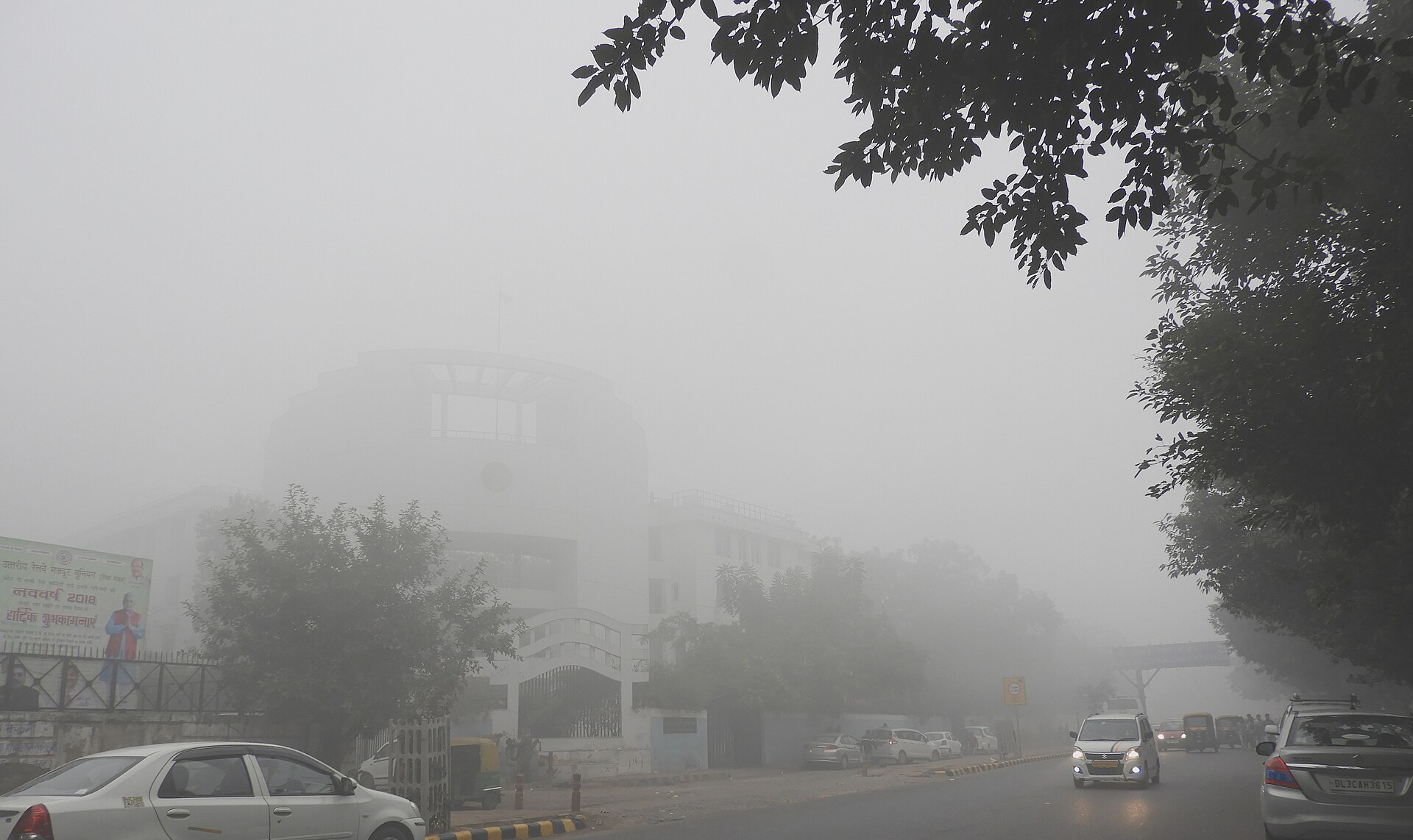
Delhi was the world's most polluted major city on Saturday morning, according to Swiss group IQAir's live ranking, as the Indian capital faced severe pollution forecasts a day before Diwali, the Hindu festival of lights.
IQAir ranked Delhi first among the world's major cities at 10:35 a.m., with a U.S. air quality index reading of 581, double that of Lahore in neighbouring Pakistan, at 285. The reading is based on concentrations of air pollutants and is not directly comparable to India's official index, which uses a different scale and methodology.
India's Central Pollution Control Board put Delhi's air quality index at 363 at 10 a.m., in the very poor category. Out of the city's 59 air quality monitoring stations, 18 recorded readings in the severe category on Saturday morning.
Friday's air quality in Delhi was the worst pre-Diwali air in eight years, according to local media citing official data. The timing could hardly be worse: Diwali falls on November 8 this year, and celebrations often involve widespread firecracker use, which releases harmful pollutants into air that is already thick with smog.
The pollution crisis has been building for days. The Commission for Air Quality Management invoked Stage III of the Graded Response Action Plan across Delhi and the surrounding National Capital Region on November 6 as pollution worsened, triggering restrictions on construction and on older vehicles. Under the plan, authorities can also order schools to shift classes online and halt non-essential construction work, measures that have become a familiar, unwelcome ritual each winter as the capital's air turns hazardous.
Delhi's environment minister, Manjinder Singh Sirsa, warned that weather conditions could worsen further. The city's annual pollution episode is driven by a combination of vehicle emissions, construction dust, industrial pollution and smoke from crop-residue burning in neighbouring states, trapped by calm winter air over the capital.
India's Supreme Court has allowed certified green crackers in Delhi and the surrounding National Capital Region only on November 7 and 8, subject to strict conditions, with the full firecracker ban restored from November 9. Enforcement of the ban has been uneven in past years, and officials are bracing for a spike in pollution on Sunday night.
Health experts recommend precautions for the millions of people living through the episode: staying indoors where possible, wearing masks outdoors, and avoiding strenuous exercise. Children, older people and those with asthma or heart conditions are most at risk from the fine particles that penetrate deep into the lungs and enter the bloodstream. Hospitals in the capital typically see a rise in respiratory complaints during such episodes, and doctors advise people with breathing difficulties to keep medication close at hand and seek care early if symptoms worsen.
Delhi's pollution crisis returns every winter, and every year it prompts the same debate about enforcement, regional cooperation and the cost of inaction. This year's episode, the worst before Diwali in eight years, is a reminder that the festival of lights arrives this time under a sky that, for many in the capital, is already too thick to see through.
Reporting: Reuters
Spot an error? Orbit News corrects articles promptly and notes the correction in the article. See our Editorial Policy, or flag an error by messaging us on Facebook, X, or Instagram.
Related from Orbit News
Russia Pounds Kyiv With 172 Drones and 36 Ballistic Missiles Days Before Peace Talks
World · Nov 7, 2026
Hoax Bomb Threats Disrupt 18 More European Flights as Campaign Spreads to Newsrooms
World · Nov 7, 2026