Entertainment
Bowen Yang Apologizes for Using Antisemitic Slur About Regina Spektor on Las Culturistas
The comedian apologized on Friday after a clip from an Oct. 14 episode of his podcast resurfaced, drawing criticism from Jewish leaders and fellow public figures.
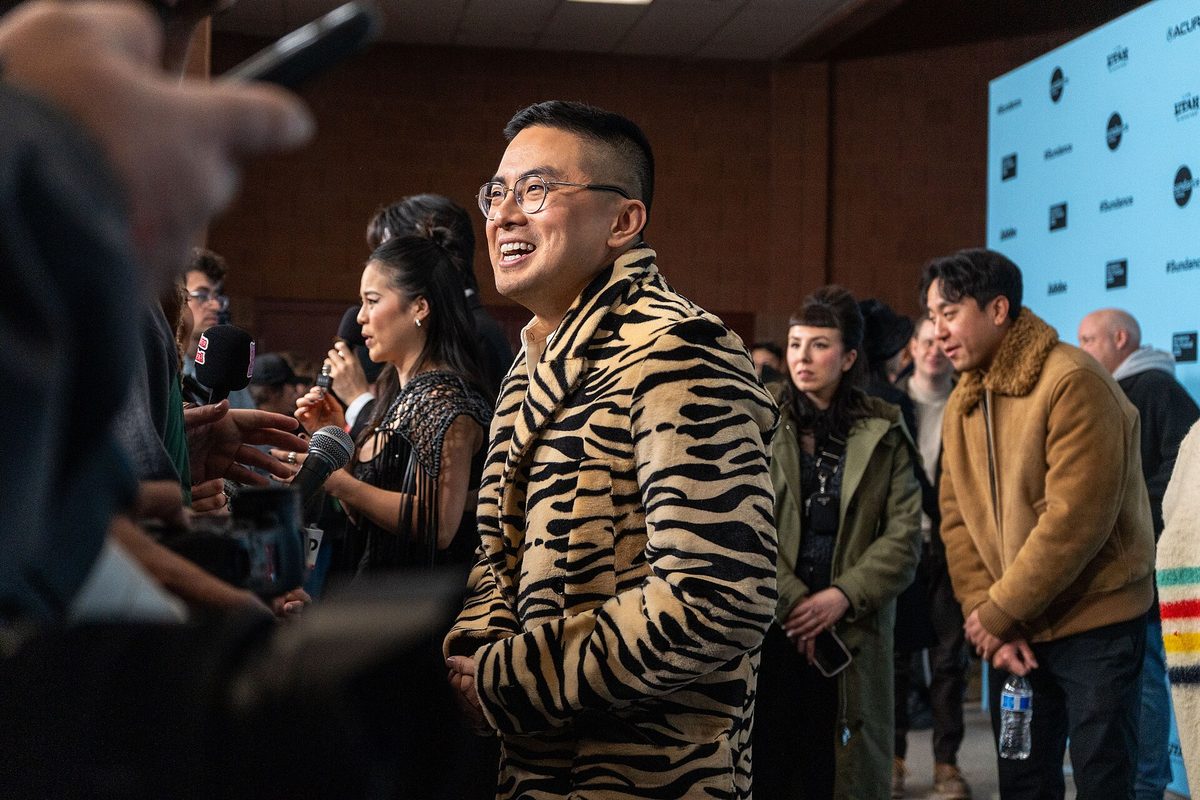
Bowen Yang apologized on Friday, Nov. 20, after he was accused of using an antisemitic slur when referring to the singer Regina Spektor in a resurfaced clip from his podcast Las Culturistas. The Saturday Night Live alum shared the apology in a statement on Instagram, saying he had used the word without knowing its history. The apology came after the clip circulated widely online this week and drew condemnation from Jewish organizations and public figures.
The clip came from the Oct. 14 episode of Las Culturistas, in which Jury Duty star Edy Modica was a guest. The three were discussing SUNY Purchase, the college Spektor attended, when Modica described the singer as a little Israel hardcore. Yang responded by agreeing and calling her Zio, a term that drew laughter from Yang and his co-host Matt Rogers in the moment but has since become the center of the controversy.
The word Yang used is a shortened form of Zionist that is classified as an antisemitic slur by the American Jewish Committee. It was popularized by former Ku Klux Klan leader David Duke and has been described by critics as a slur that is now being normalized across the political spectrum. The term's history is what made the clip so damaging once it resurfaced: Yang is a high-profile comedian whose podcast recently began streaming on Hulu and Disney+, putting the remark in front of a much larger audience than the podcast's usual listeners.
In his Instagram statement, Yang wrote that he wanted to genuinely apologize for using a word on the podcast without knowing its antisemitic history, especially since the show had repudiated antisemitism as recently as the last two weeks. He added that it was particularly upsetting to realize that he had adopted language popularized by far-right movements whose rhetoric the show should be wary of and act against.
Yang then posted a separate message to his Instagram story that read, At the same time, Free Palestine. That follow-up drew its own wave of criticism, with detractors arguing that it undercut the apology by pairing it with a political statement in the same breath. Supporters of Yang, meanwhile, have pointed to the follow-up as evidence that he was trying to hold two ideas at once: regret for the word he used and continued support for Palestinian rights.
The response from Jewish leaders was swift and sharply critical. Anti-Defamation League chief executive Jonathan Greenblatt said later on Friday that Yang had given the public a textbook example of normalizing antisemitism, calling the apology meager and taking issue with Yang's claim that he did not know the history of the term. Greenblatt also criticized the follow-up story, writing that apologizing for antisemitism with not one but two qualifications is not an apology at all.
Greenblatt was not the only critic. Amy Spitalnick, chief executive of the Jewish Council for Public Affairs, wrote on X that it was incredibly disappointing that Yang used the term to refer to Spektor, a Jewish artist, and said she hoped he would take the episode as an opportunity to engage on antisemitism. Meghan McCain, the former co-host of The View, helped spread the clip when she posted it to X and criticized Yang, while actor Michael Rapaport also condemned the remark.
Yang left the cast of Saturday Night Live in December 2025 after seven years on the show. He appeared in both Wicked and Wicked: For Good as Pfannee, alongside Ariana Grande and Cynthia Erivo, and he co-hosts Las Culturistas with Rogers, an iHeart podcast that began streaming on Disney+ and Hulu on Nov. 18. USA Today reported that it had reached out to Yang's and Spektor's representatives for comment. As of Friday, the episode at the center of the controversy remained available, and neither Yang nor the podcast had said whether it would be edited or removed.
Why it matters: The episode matters beyond one podcast clip because it shows how quickly a single word can travel now that podcasts stream on major platforms and clips circulate on social media within hours. Yang's apology acknowledged the history of the term, but the backlash to his follow-up post shows that audiences and advocacy groups are judging not just the apology but everything around it, including its timing and framing. For Disney, which only began streaming Las Culturistas on Nov. 18, the controversy is also an early test of how closely it polices the independent podcasts it carries. Whether the apology settles the matter or deepens it will depend on what Yang does next, not just what he posted on Friday.
Reporting: USA Today · The Wrap
Spot an error? Orbit News corrects articles promptly and notes the correction in the article. See our Editorial Policy, or flag an error by messaging us on Facebook, X, or Instagram.
Related from Orbit News

Sunrise on the Reaping Opens With $21 Million in Previews as Hunger Games Roars Back
Entertainment · Nov 21, 2026
Bruno Mars Announces Death of His Father Peter Hernandez at 74
Entertainment · Nov 21, 2026